
Last updated September 22, 2026
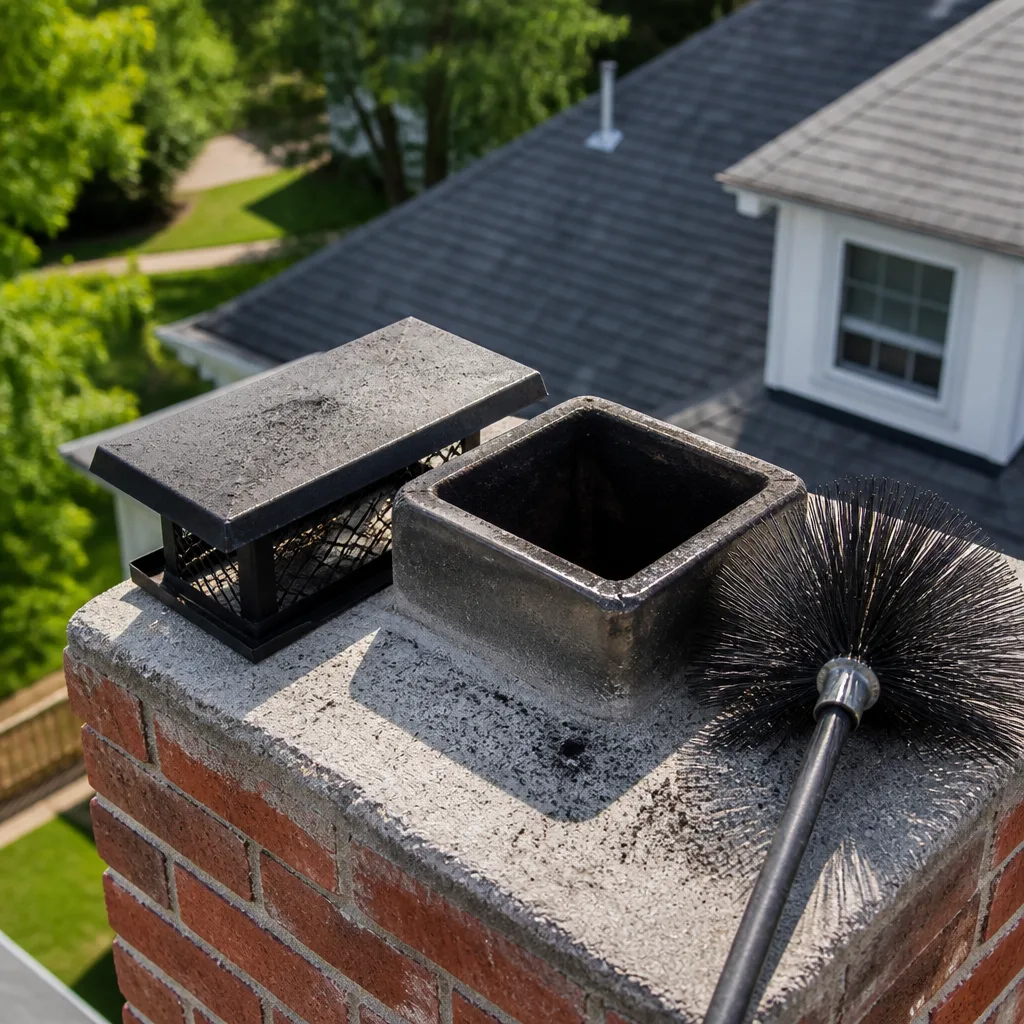
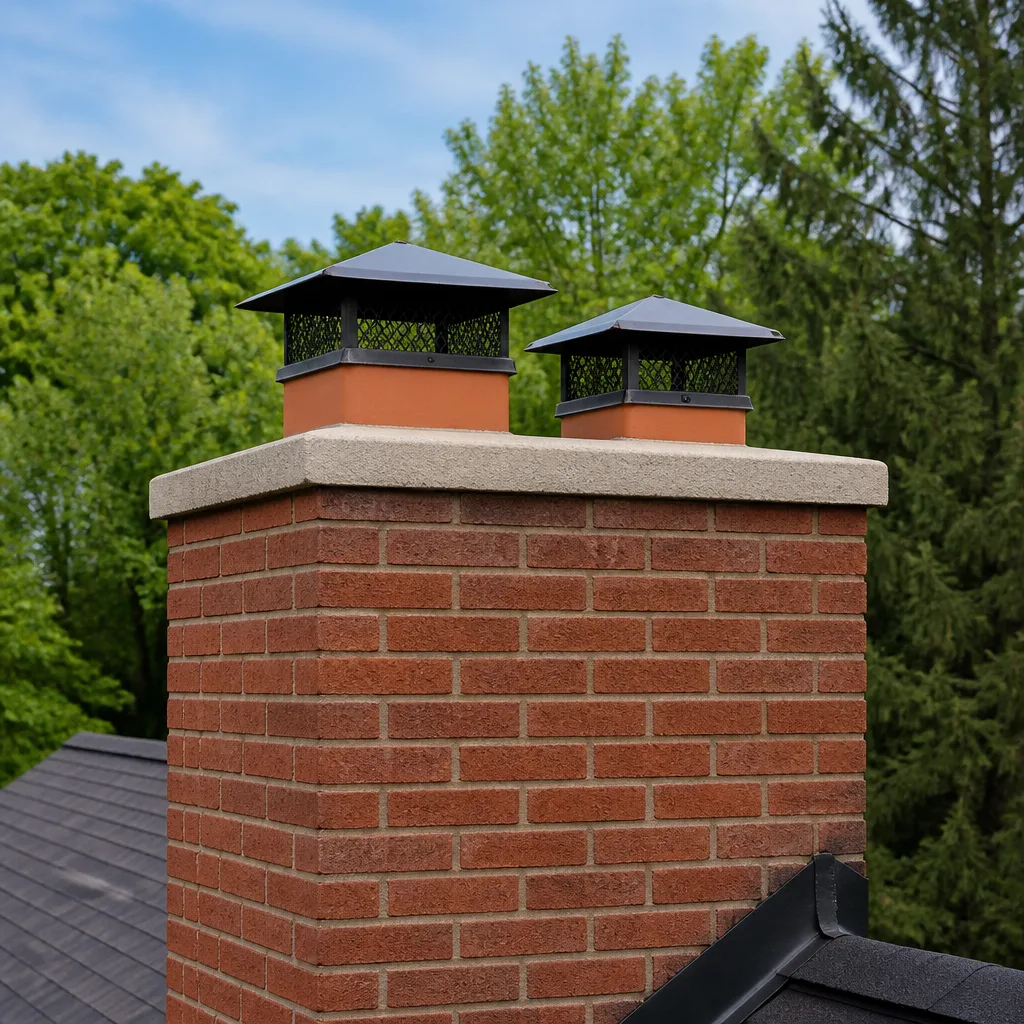
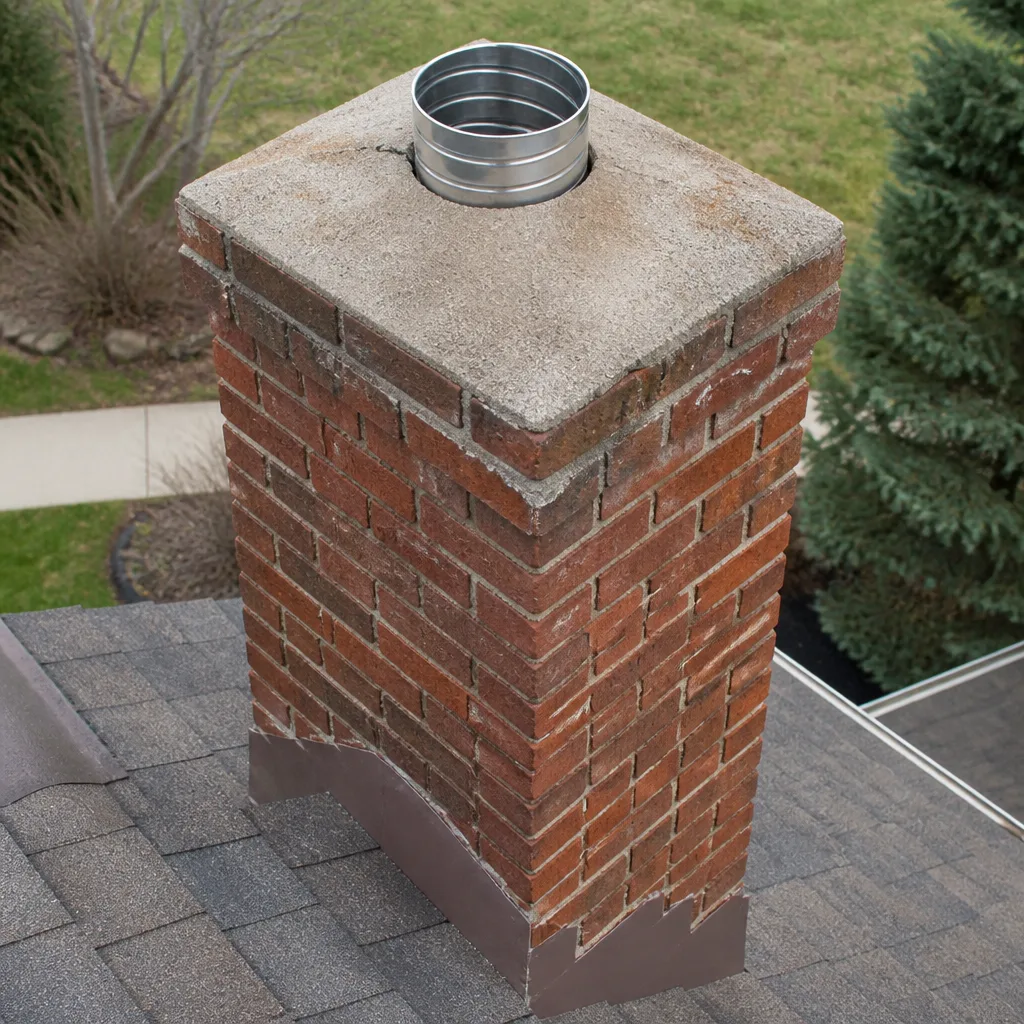
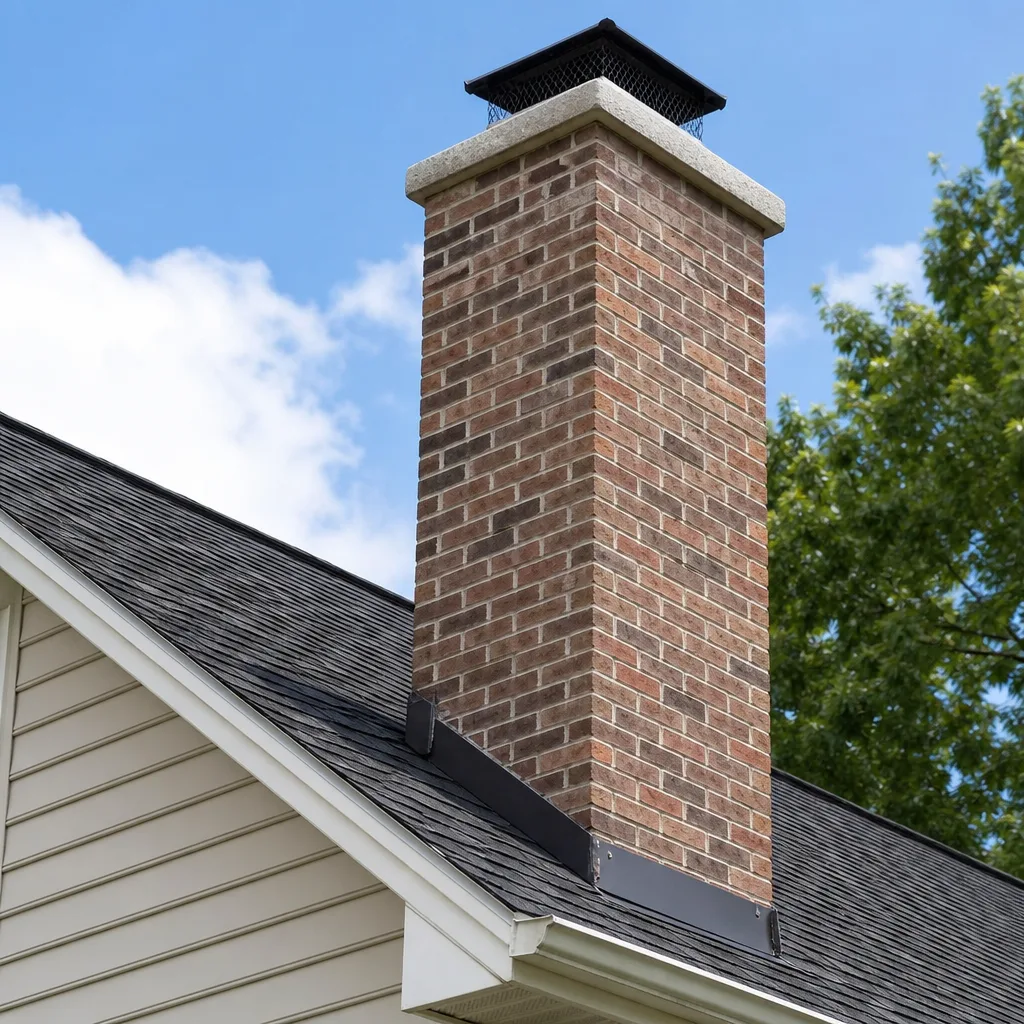
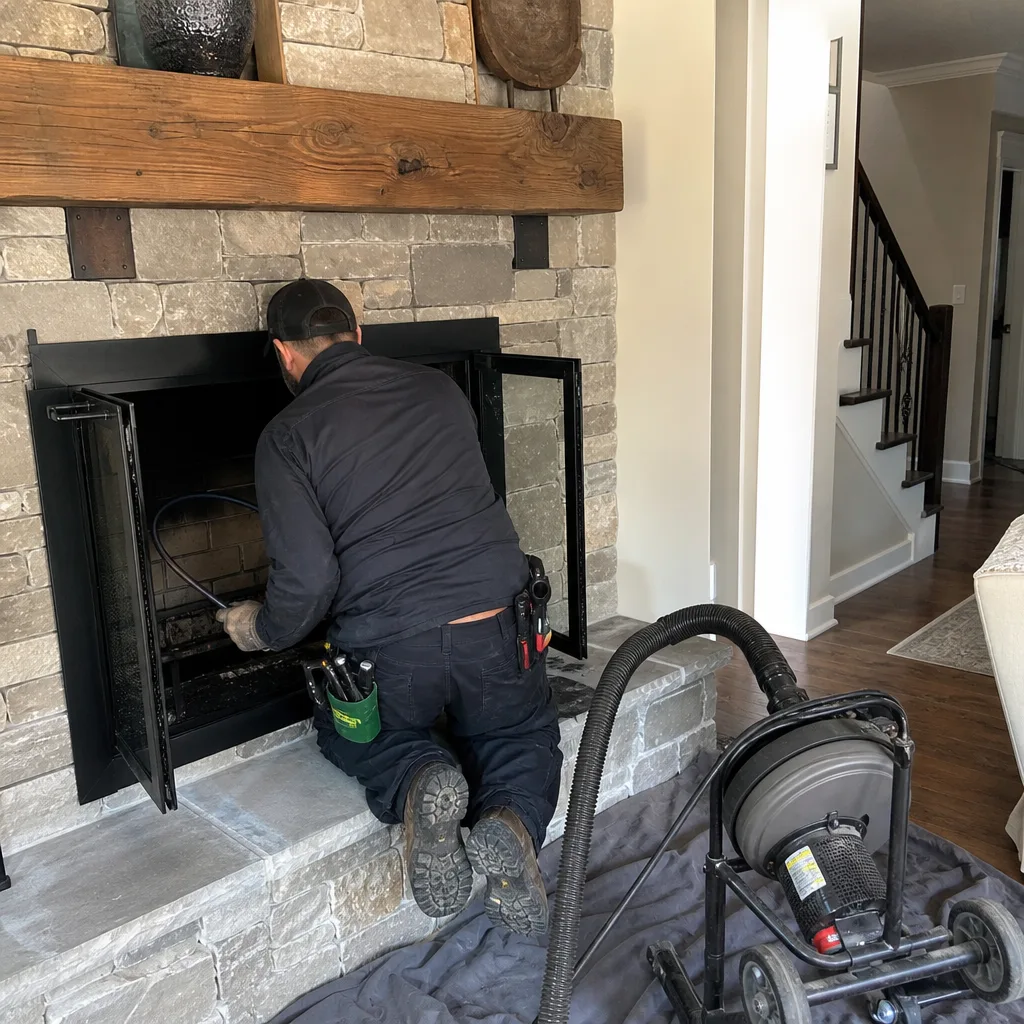
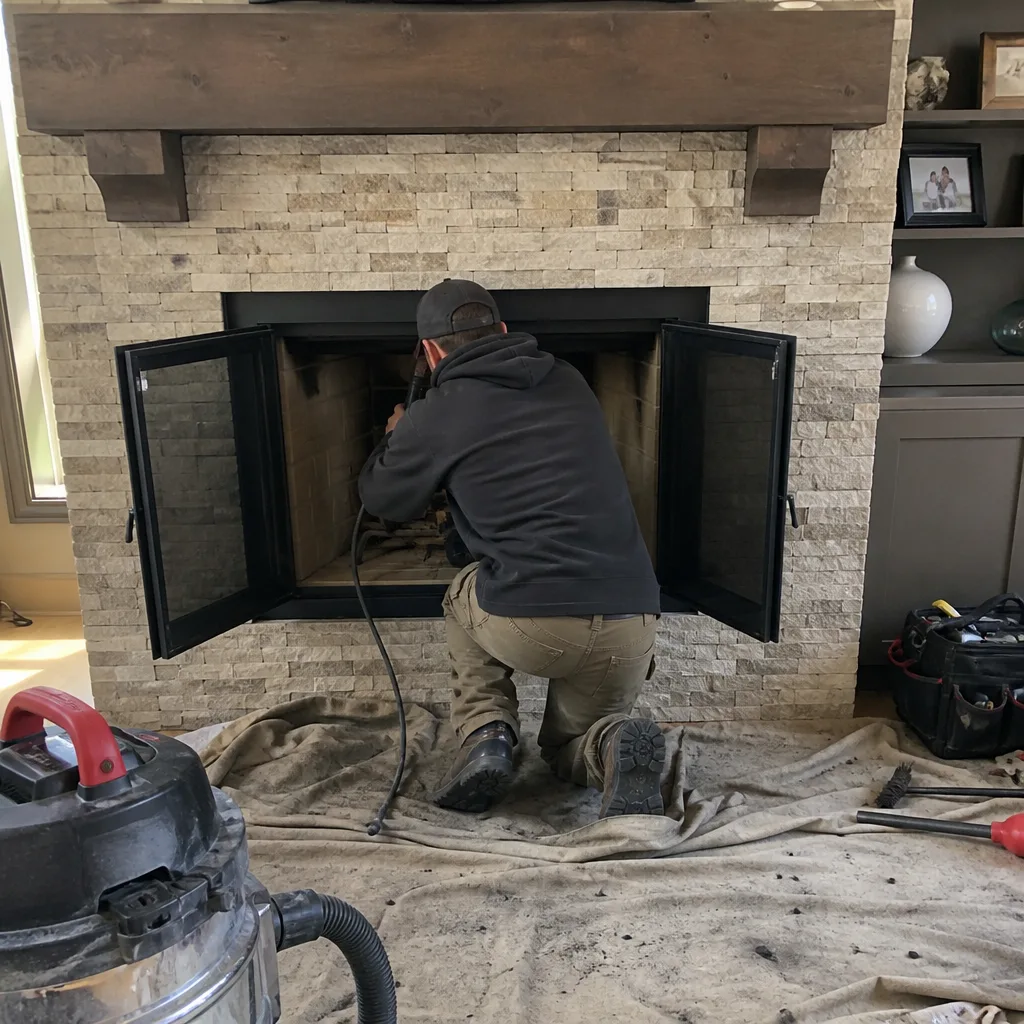
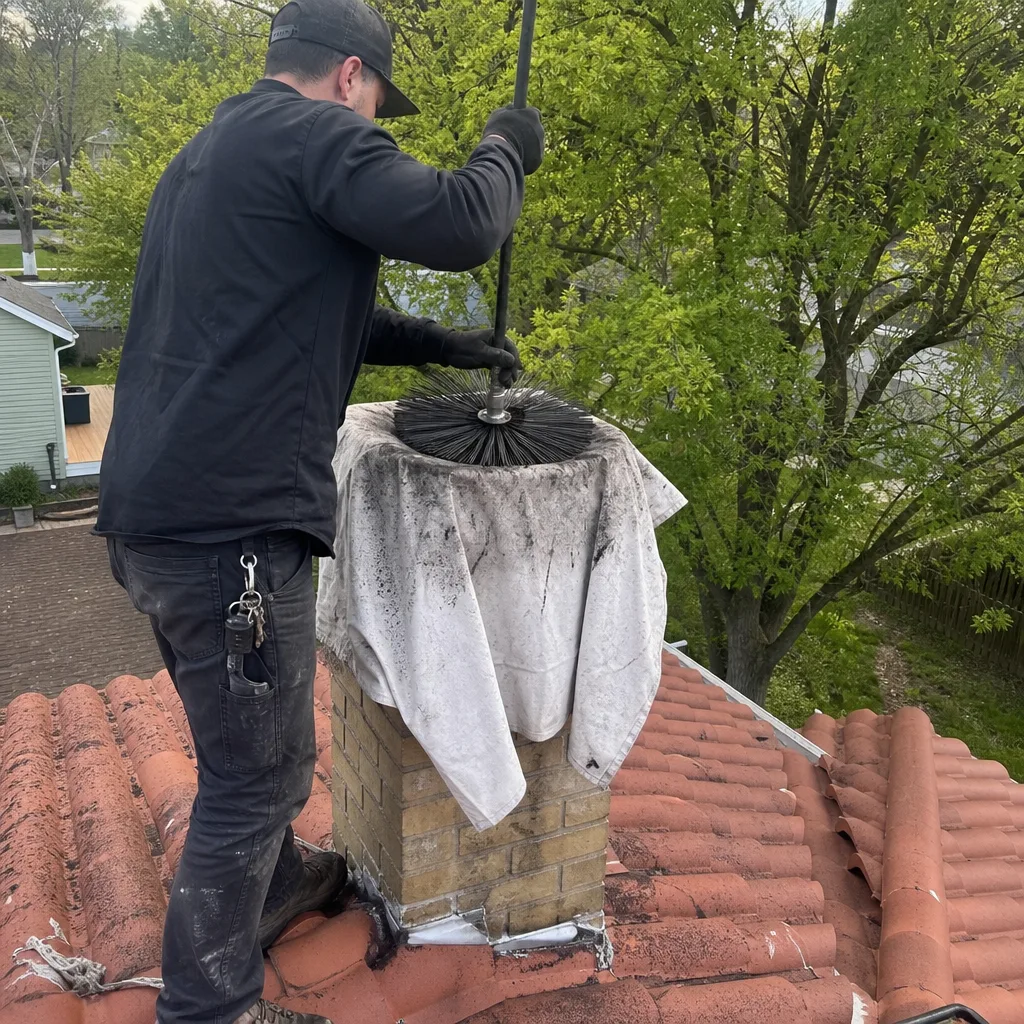
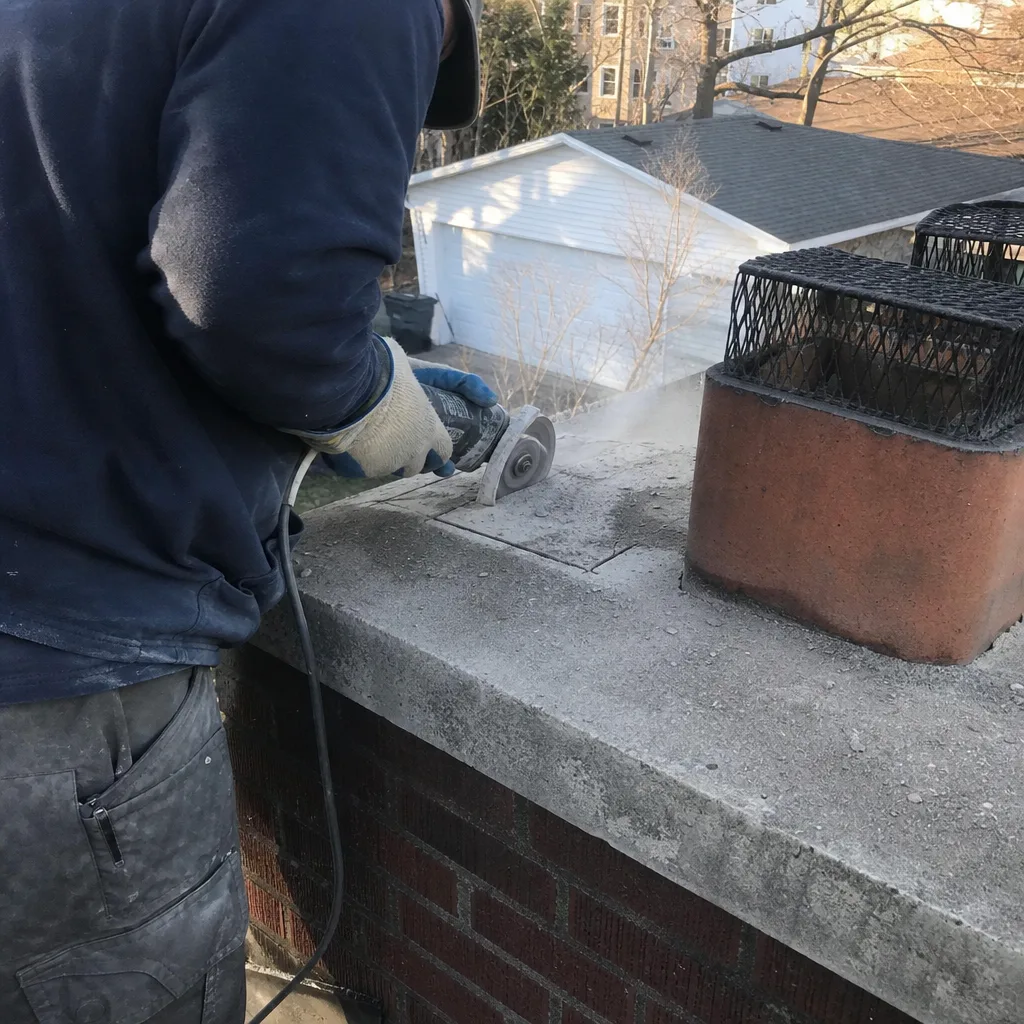
Level 1 sweep and inspection to the NFPA 211 annual standard - flue, crown, cap, and flashing checked and photographed
Chimney sweep logs do not sweep chimneys. They loosen some creosote - which then falls where a brush and vacuum still have to collect it.
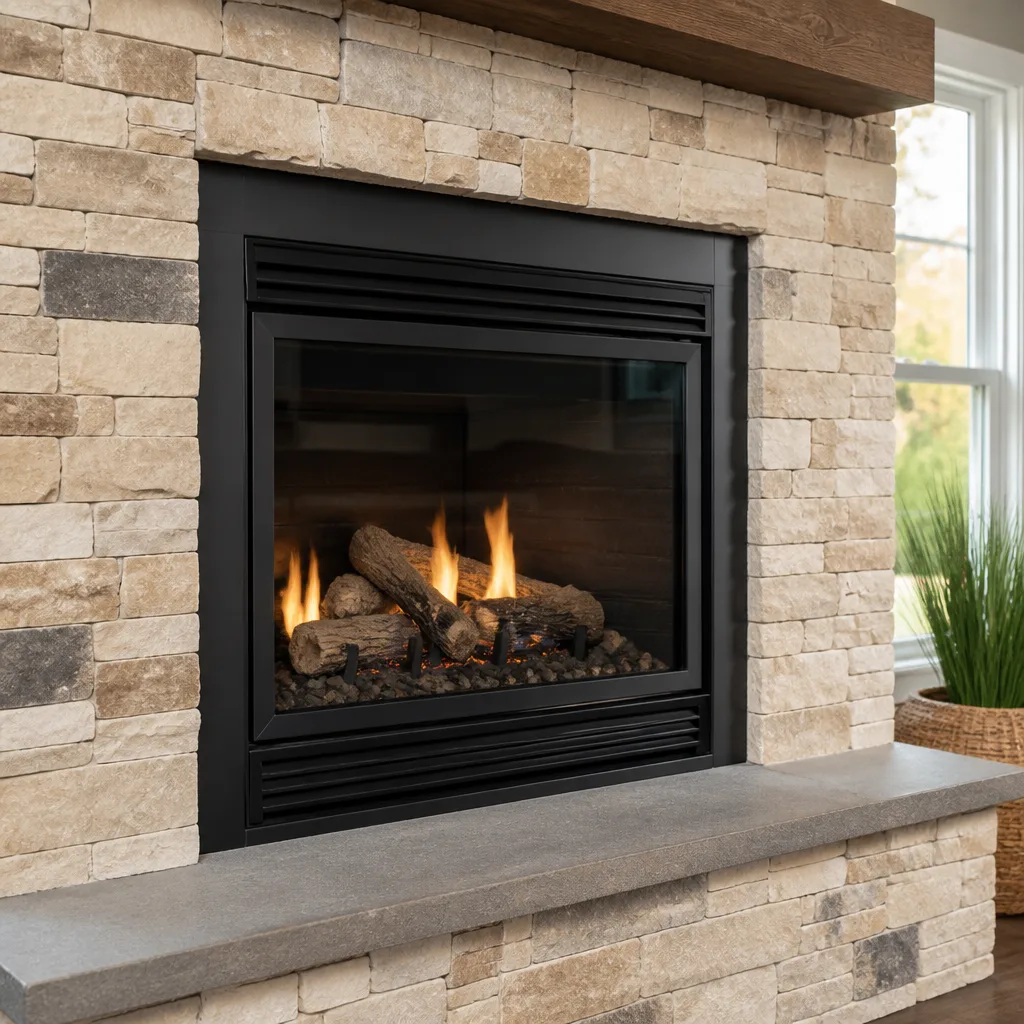
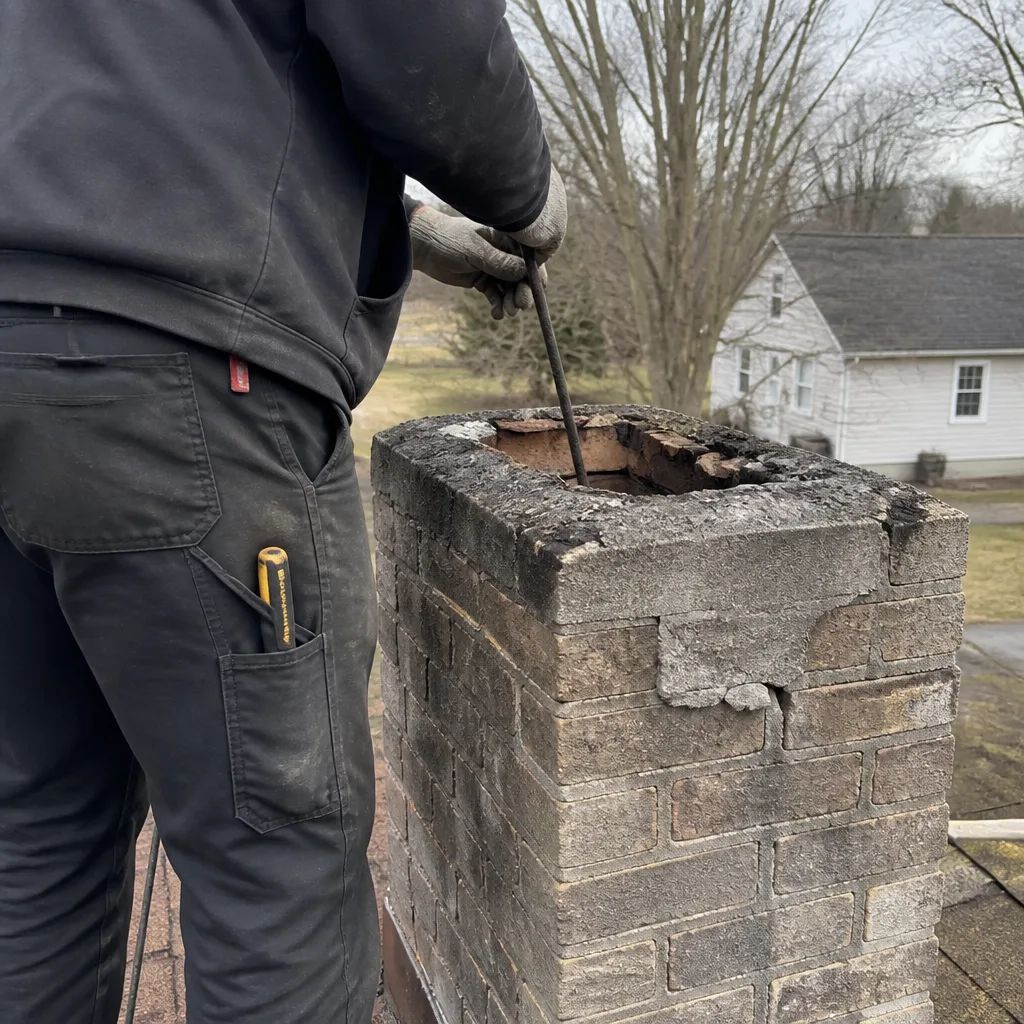 Before
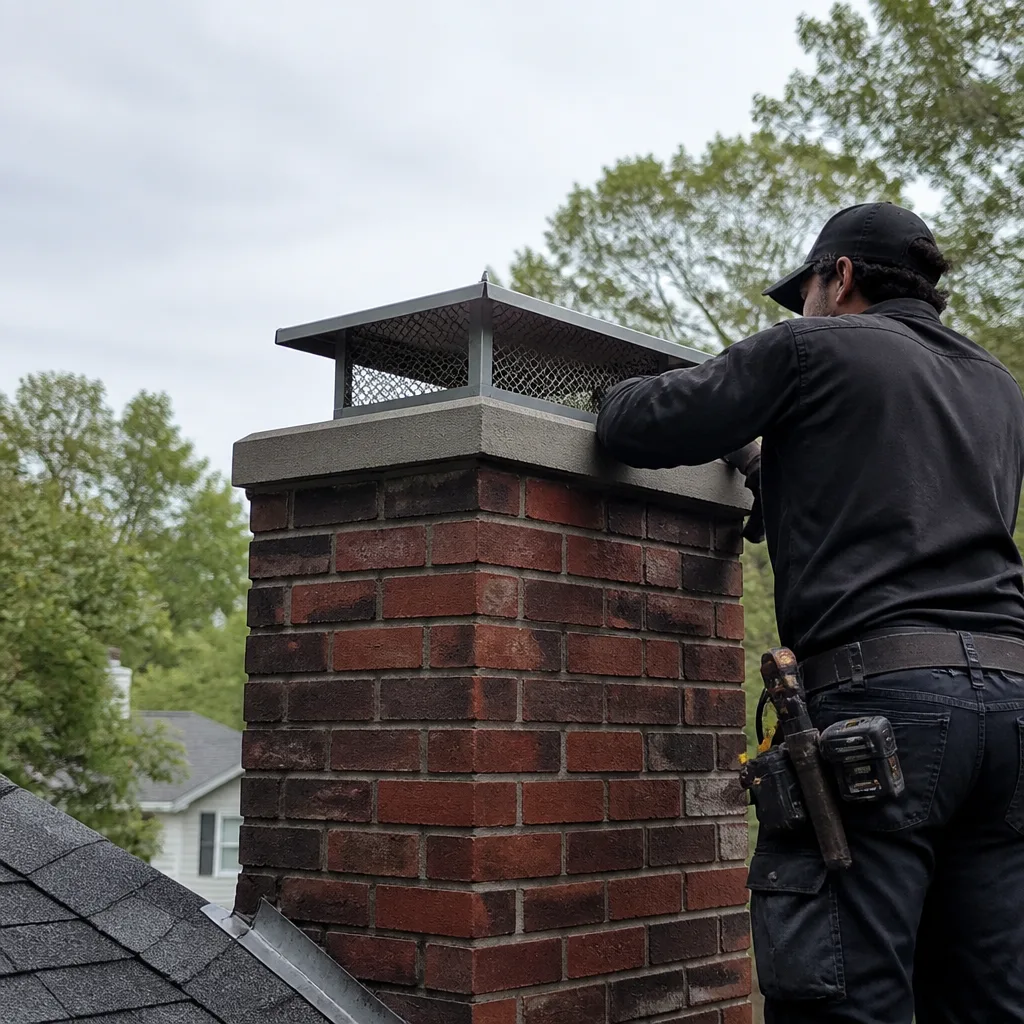 After
After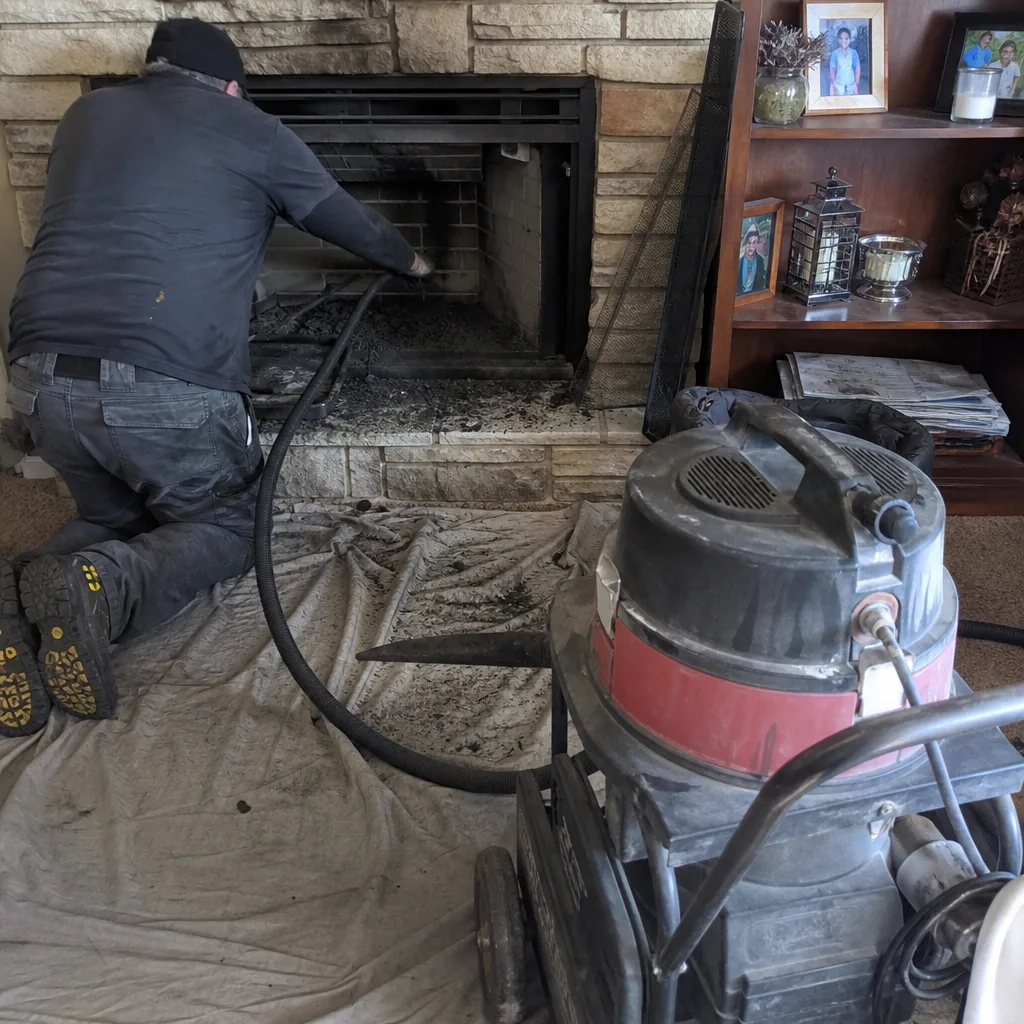 Before
 After
After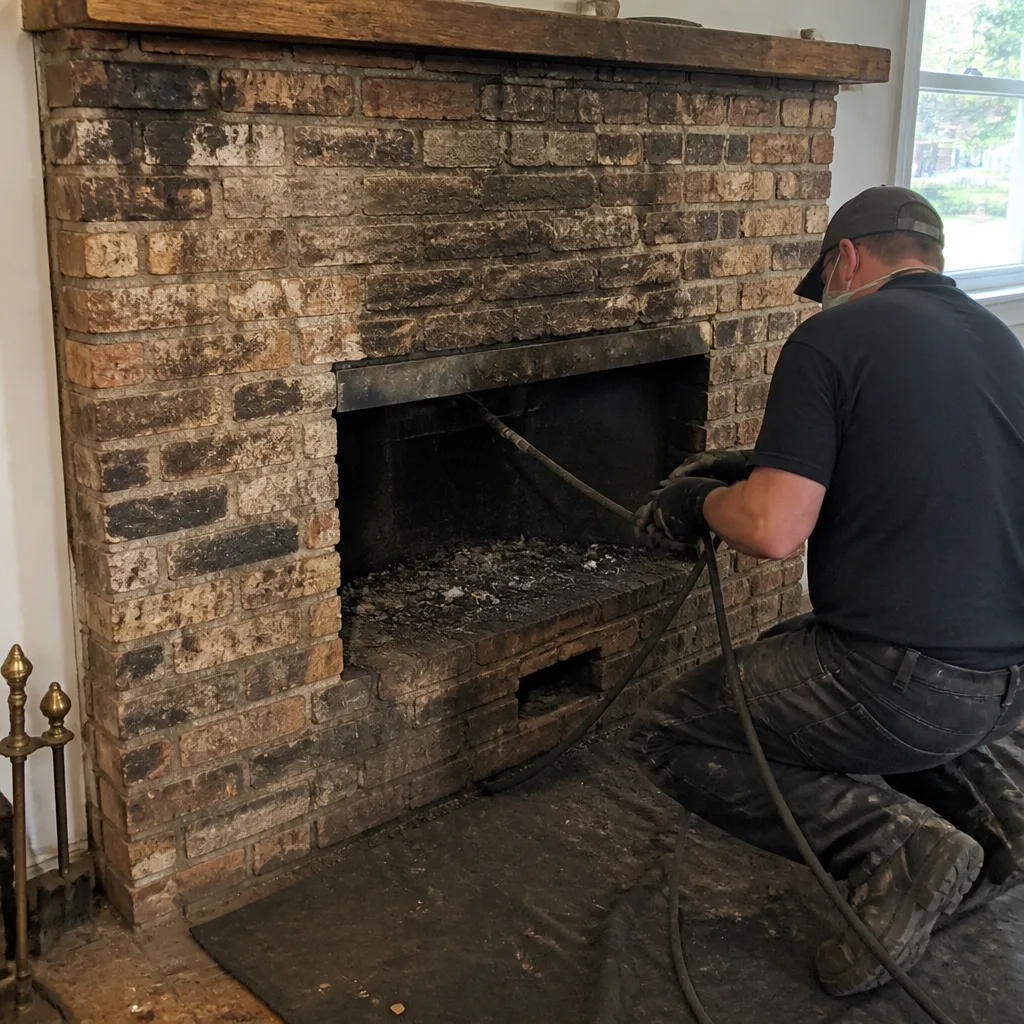 Before
 After
AfterHow to Hire a Chimney Cleaning Contractor in Crystal Lake: A Step-by-Step Guide
In Illinois, anyone with a brush and a van can legally call themselves a chimney sweep. There is no state license required, no mandatory insurance minimum, and no agency checking whether the person on your roof has ever cleaned a flue before. We’ve been working in Crystal Lake since 2009, and we’ve seen the aftermath: homeowners who paid $89 for a “complete sweep” and discovered six months later that their clay liner was cracked from top to bottom, never inspected, never documented. This guide gives you a five-question interview framework that forces every contractor to specify what they will and will not document before you hand over a credit card, and points you to more guides & resources for ongoing chimney maintenance.
Quick Answer
To hire a chimney cleaning contractor in Crystal Lake, verify CSIA certification through the Chimney Safety Institute of America’s online lookup, confirm the company carries a chimney camera on every truck, and insist on a written price with itemized scope before any work begins. A legitimate contractor in McHenry County will document liner condition, creosote class, and crown integrity with dated photos, and will carry general liability and workers’ compensation insurance you can verify directly with the carrier. Anything less leaves you with a receipt and a guess about what condition your chimney is actually in.
Table of Contents
- Why Illinois Has No Chimney Sweep License - And What That Means for You
- The Five Questions That Separate Real Contractors from Brush-and-Van Operations
- How to Verify CSIA Certification: What It Covers, What It Doesn’t, and How to Look It Up
- What a Legitimate Written Estimate Must Include
- How to Compare Two Quotes That Look Identical on Price
- Red Flags in Contractor Communication Before You Book
- Crystal Lake-Specific Considerations: Freeze-Thaw, Local Codes, and Neighborhood Patterns
- Common Mistakes to Avoid
- When to Call a Professional
- Frequently Asked Questions
- The Bottom Line
 Before
 After
AfterWhy Illinois Has No Chimney Sweep License - And What That Means for You
Illinois does not license chimney sweeps at the state level. The Illinois Department of Financial and Professional Regulation oversees plumbers, roofers, and HVAC contractors, but chimney sweeping sits in a regulatory gap. Some municipalities require a general business license, and McHenry County requires permits for structural chimney work, but the actual sweep - the person climbing your roof, running brushes through your flue, and making judgments about liner safety - needs no credential to operate.
This matters because chimney work carries real risk. A cracked flue liner can leak carbon monoxide into living spaces. Class III glazed creosote, common in Crystal Lake homes that burn seasoned hardwood at low temperatures, ignites at approximately 451°F and burns at over 2,000°F. A sweep who misses this condition because they never looked, or looked with a flashlight from the firebox floor, has left a hazard in place.
The absence of state licensing shifts the verification burden entirely to you. There is no state board to complain to, no bond to claim against, no recourse beyond civil court if an unqualified sweep damages your chimney or misses a dangerous condition. This is why the questions you ask before booking matter more than the price you pay.
We’ve responded to calls in Crystal Lake neighborhoods from Four Colonies to Coventry where a previous “sweep” had visited within the year, left a handwritten receipt, and never identified deteriorated mortar joints or a missing chimney cap that allowed water infiltration. The homeowner believed their chimney was “cleaned and inspected.” It was brushed. It was not inspected.
The distinction matters. Brushing removes combustible deposits from the flue walls. Inspection evaluates the structural condition of the liner, crown, cap, and exterior masonry. In Crystal Lake’s climate, where freeze-thaw cycles begin in late October and run through April, water intrusion through a cracked crown or missing cap causes spalling brick and deteriorated mortar faster than most homeowners realize. A brush-only visit leaves all of this undetected.
The Five Questions That Separate Real Contractors from Brush-and-Van Operations
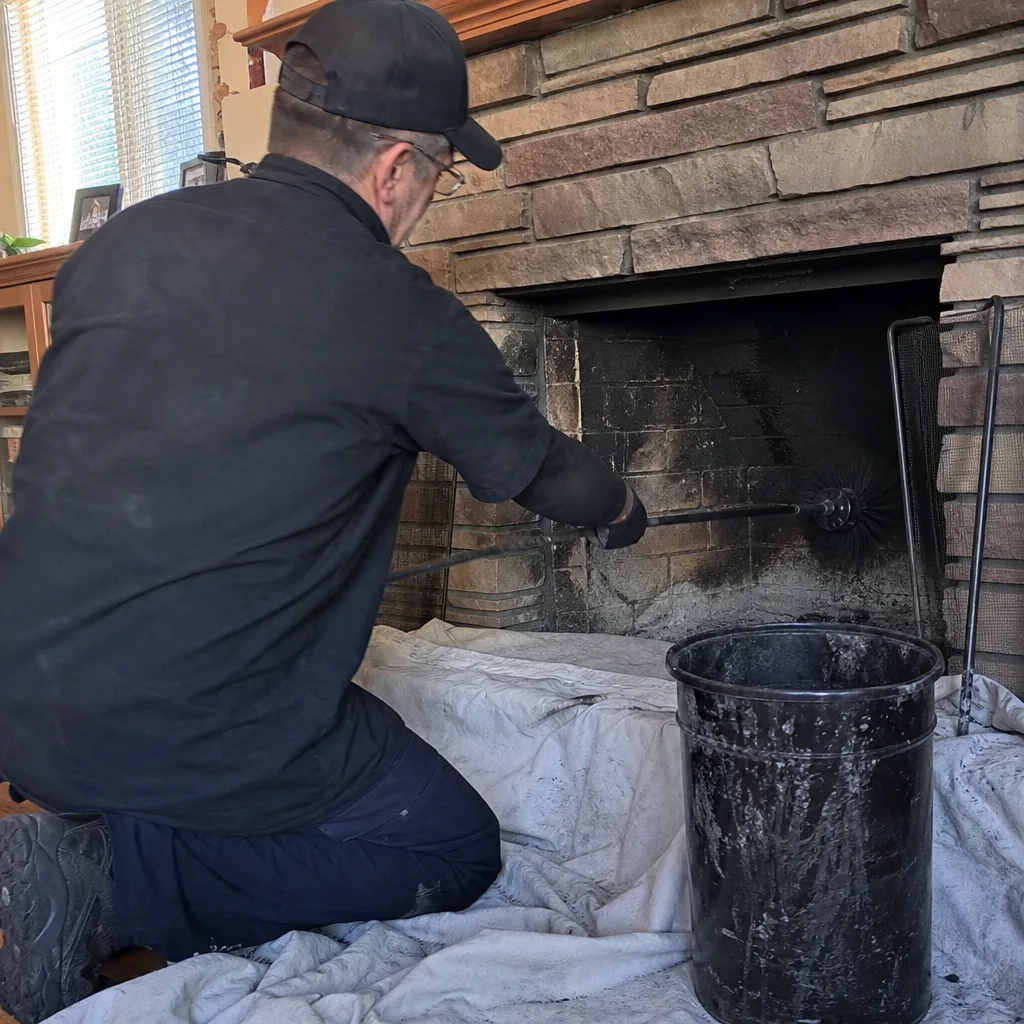
These five questions force specificity. A contractor who cannot answer clearly, or who deflects to “we’ll check everything when we’re there,” has told you something important about their process.
Question 1: Will I receive a written price before any work begins?
This is Clause 1 of the Haven Standard, which we adopted when we founded Level Two Chimney Crystal Lake in 2009. A written price means an itemized scope with line items, not a verbal estimate that shifts once the technician is in your home. Ask specifically: “Will the technician have authority to change this price once they arrive?” If the answer is yes, or hedged, you are looking at a bait-and-switch structure.
A legitimate written price includes:
- The specific services to be performed (sweep, inspection, or both)
- The standard applied (NFPA 211 Level 1, 2, or 3)
- Any additional conditions that would trigger further work
- Warranty terms in writing
Question 2: Do you carry a chimney camera on this truck, and will you use it on my chimney?
NFPA 211 Level 2 inspection requires a visual examination of the interior surfaces of the flue liner. In most chimneys, this cannot be accomplished from the firebox floor or roof top. A chimney camera - a high-resolution video system on a flexible rod - is the standard tool. Ask whether the specific technician assigned to your appointment carries this equipment and whether camera use is included in the base price or sold as an add-on.
At Level Two Chimney Crystal Lake, camera-scan documentation has been standard on every visit since 2009. This practice became Clause 4 of the Haven Standard. We do not offer camera inspection as an upgrade because we do not perform inspections without it.
Question 3: What documentation will I receive when the work is complete?
You should receive dated photos or video of the flue interior, a written condition assessment noting liner integrity and creosote class, and a copy of your written price and warranty. Ask what format this documentation takes: printed, emailed, accessible through a customer portal? Ask how long the company retains records. We maintain our photo archive indefinitely; many competitors discard records after one year.
Question 4: What insurance do you carry, and can I verify it directly with your carrier?
Request a certificate of insurance showing general liability and workers’ compensation coverage. Call the insurance carrier to confirm the policy is active. Do not accept a photocopy at face value. In Crystal Lake, where many homes have steep-pitched roofs and second-story chimney exposures, workers’ compensation coverage is essential. If a technician is injured on your property and the company lacks coverage, your homeowner’s policy may be drawn into the claim.
Question 5: What does your warranty cover, and what voids it?
A warranty without written terms is a verbal promise. Ask for the specific conditions: Does it cover workmanship only, or materials and workmanship? Does it require annual maintenance to remain valid? Is there a deductible? The 365-Day Done Right Promise we offer covers workmanship on every job; the terms are printed on every written price document before work begins.
How to Verify CSIA Certification: What It Covers, What It Doesn’t, and How to Look It Up
The Chimney Safety Institute of America (CSIA) offers the most widely recognized credential in the U.S. chimney trade. CSIA Certified Chimney Sweeps have passed a written examination covering NFPA 211 standards, combustion principles, and safety protocols. The credential is not a state license, but it is a voluntary standard that demonstrates baseline competence.
However, CSIA certification has limits you should understand:
- It certifies individual sweeps, not companies. A company may employ one certified sweep and send an uncertified technician to your home. Ask specifically: “Will the person who works on my chimney hold current CSIA certification?”
- It covers sweeping and basic inspection, not masonry rebuild, liner installation, or structural engineering. A CSIA-certified sweep is qualified to identify conditions requiring further evaluation; they are not automatically qualified to perform major repairs.
- It requires continuing education units (CEUs) for renewal. A sweep certified in 2015 who has not maintained CEUs holds an expired credential.
To verify certification in real time:
- Visit csia.org and navigate to the “Find a Certified Chimney Sweep” directory
- Enter the sweep’s name or company name
- Confirm the certification status shows “Active” with a current expiration date
- Note whether the credential is CSIA Certified Chimney Sweep (CCS) or CSIA Certified Dryer Exhaust Technician (C-DET) - these are distinct credentials
We maintain current CSIA certification for all field technicians at Level Two Chimney Crystal Lake. We encourage homeowners to verify this independently. A contractor who resists real-time verification, or who points to a company-level membership in a trade association as equivalent to individual certification, is obscuring the distinction.
What a Legitimate Written Estimate Must Include
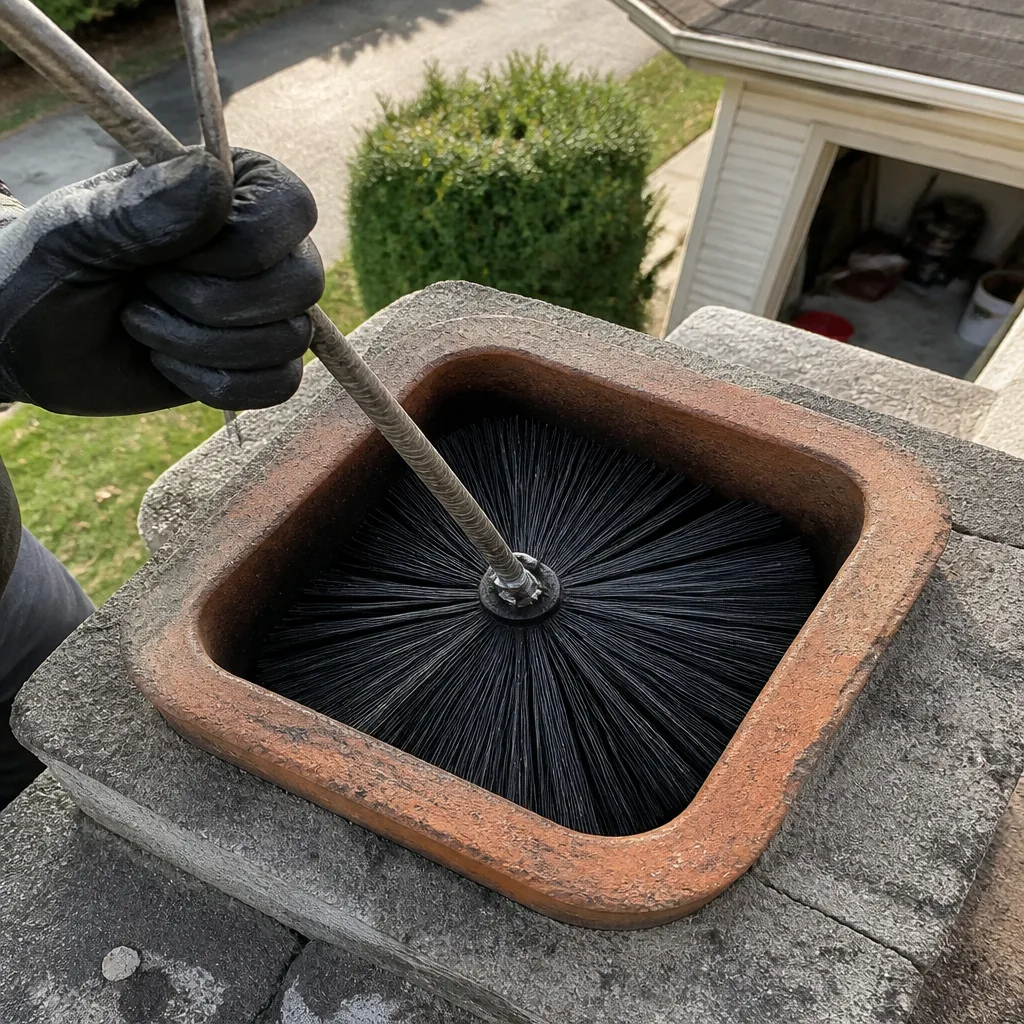
A written estimate is not a marketing piece. It is a contract precursor that defines the transaction. In our experience across 38,000+ chimney visits since 2009, the quality of the written estimate predicts the quality of the work with near-perfect correlation.
A legitimate written estimate must contain:
| Element | What It Looks Like | Why It Matters |
|---|---|---|
| Itemized scope | “Sweep flue from firebox to crown; NFPA 211 Level 2 camera inspection; condition assessment of liner, crown, cap, and exterior masonry” | Prevents scope reduction after booking |
| Liner condition notation | “Clay flue liner: no visible cracks, spalling, or displacement per camera scan” OR “Clay flue liner: vertical crack observed at 12 feet, approximately 1/8 inch width, full circumference” | Creates baseline for future comparison; documents safety condition |
| Creosote classification | “Class I (sooty) deposit, approximately 1/8 inch thickness” OR “Class III glazed deposit, 1/4 inch thickness, requires mechanical removal” | Determines fire risk and appropriate removal method |
| Exterior condition | “Crown: hairline cracks noted, no active water intrusion” OR “Crown: deteriorated, recommends CrownCoat or rebuild per options below” | Identifies water intrusion path before freeze-thaw damage accelerates |
| Warranty terms | “365-Day Done Right Promise: workmanship guarantee. Materials covered per manufacturer warranty. Annual inspection required for continued coverage.” | Defines recourse if condition recurs or work fails |
| Escalation conditions | “If camera inspection reveals liner damage requiring repair, written options will be presented before any additional work proceeds” | Prevents surprise charges; preserves homeowner decision authority |
Any estimate lacking these elements is incomplete. A single line reading “chimney sweep and inspection - $189” tells you nothing about what was actually evaluated, what standard was applied, or what happens if the technician finds a problem. This is the document that protects you six months later when water stains appear on your ceiling and you need to establish whether the crown condition was noted.
How to Compare Two Quotes That Look Identical on Price
This is where most Crystal Lake homeowners make their costliest mistake. Two quotes at $189 can represent entirely different scopes of work, different documentation standards, and different risk exposures. Here’s how to read what is actually being sold.
Compare the inspection standard cited
NFPA 211 defines three inspection levels. Level 1 is a visual examination of readily accessible portions - what you can see from the firebox floor and roof without tools. Level 2 requires camera inspection of the flue interior and examination of accessible portions of the chimney exterior and attic. Level 3 involves demolition of building materials to access concealed portions, triggered only when Level 1 or 2 indicates a hazard.
A $189 quote for “sweep and inspection” with no standard cited is almost certainly a Level 1 visual check. A $189 quote specifying “NFPA 211 Level 2 with camera documentation” includes substantially more work and creates a verifiable record. The prices are identical. The value is not.
Compare documentation commitments
Ask each contractor: “What will I receive after the work is complete?” One may offer a handwritten receipt. Another may provide dated photos, video files, and a written condition report. The difference matters for insurance claims, real estate transactions, and your own maintenance planning. In Crystal Lake’s active real estate market, a documented inspection record from a recognized firm can facilitate buyer confidence and reduce inspection renegotiation.
Compare warranty structure
A “lifetime warranty” with no written terms is a marketing phrase. A one-year workmanship guarantee with explicit coverage limits and maintenance conditions is a contract. Read the escalation language: Does the warranty require you to notify the company within a specific timeframe? Does it exclude damage from weather events, which in Crystal Lake includes hail, high wind, and the freeze-thaw cycles that destroy crowns and spall brick?
Compare material specifications for any recommended repairs
If one quote recommends crown repair, ask what product is specified. CrownCoat, a flexible waterproofing compound from ChimneySaver, differs from a Portland cement rebuild in cost, durability, and appropriate application. If liner repair is recommended, ask whether the quote specifies HeatShield cerfractory foam, a stainless steel liner from DuraFlex or Olympia Chimney, or another system. Generic language like “repair crown” or “fix liner” allows substitution of inferior materials without your knowledge.
At Level Two Chimney Crystal Lake, we source materials through our Haven buying network from HeatShield, Gelco, Olympia Chimney, Famco, and others specifically to maintain price honesty and specification integrity. We name the product on the written price document, not after work begins.
Red Flags in Contractor Communication Before You Book
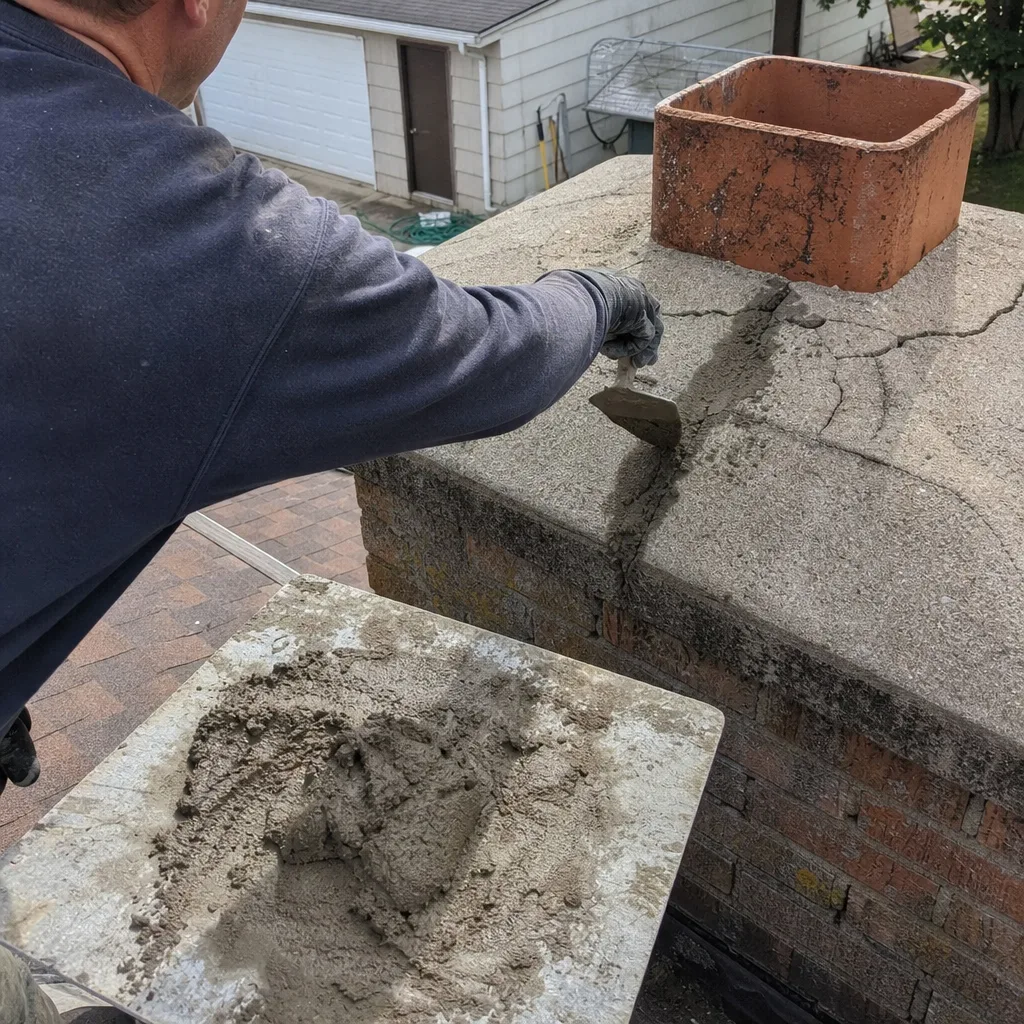
Certain patterns in phone and email communication predict problems before a truck arrives. We’ve compiled these from homeowner reports across Crystal Lake and McHenry County.
- Vague scope language: Phrases like “we’ll take care of everything” or “full inspection included” without specification of NFPA level or camera use. Specificity is free; vagueness costs you later.
- Refusal to put price in writing before arrival: Any contractor who will not commit to a written price with scope before dispatching a technician is reserving the right to change terms in your living room. This is the exact scenario Clause 1 of the Haven Standard was designed to eliminate.
- No mention of documentation: If you ask what you’ll receive after the visit and the answer is “a receipt” or “we’ll tell you if we find anything,” you are buying an undocumented service. In a dispute, your word against theirs is a losing position.
- Pressure to book immediately: “We have an opening this afternoon” or “this price is only good today” indicates a sales operation, not a service operation. Legitimate chimney work is scheduled, not sold on urgency.
- Inability to name the technician assigned: Background-checked, uniformed technicians with license numbers displayed are standard at legitimate operations. If the dispatcher cannot tell you who will arrive, or if technicians arrive without company identification, you have no verification chain.
- Requests for full payment before work begins: Standard practice is payment upon completion, after you’ve reviewed documentation and confirmed scope fulfillment. Full prepayment eliminates your leverage if work is incomplete or documentation is missing.
Crystal Lake-Specific Considerations: Freeze-Thaw, Local Codes, and Neighborhood Patterns
Crystal Lake’s climate and housing stock create specific chimney conditions that a generic sweep from outside McHenry County may not recognize.
Freeze-thaw damage acceleration
Crystal Lake averages 35-40 freeze-thaw cycles annually, with temperatures oscillating above and below 32°F. Water enters micro-cracks in crown and brick during thaw, expands during freeze, and widens the crack incrementally. A crown with hairline cracking in October can show active spalling and water intrusion by March. This is why camera inspection of the flue interior matters even when exterior masonry looks sound: water that bypasses the crown runs down the flue walls, causing liner deterioration invisible from outside.
In neighborhoods like Four Colonies and Coventry, where many homes were built during the 1970s-1990s construction waves, original clay flue liners have endured 30-50 years of this cycle. We’ve replaced liners in these areas where the clay has deteriorated to the point of exposing the chimney structure to direct flue gas contact. Without camera documentation, this condition is routinely missed until a home inspection flags it during sale.
Local permit requirements
McHenry County requires permits for structural chimney work, including rebuilds and liner replacements, as outlined in our Chimney Cleaning Permits, Codes & Inspections in IL: What You Need to Know. A contractor who proposes major work without mentioning permit requirements is either unaware of local code or planning to bypass it. Unpermitted work can void homeowner’s insurance coverage and create title issues during sale. Ask specifically: “Will this work require a McHenry County permit, and will you obtain it?”
Burning season timing
Crystal Lake’s burning season runs roughly October 15 through April 15, with peak demand for sweeps in September and early October. Booking outside peak season - May through August - typically offers scheduling flexibility and allows time for any recommended repairs before the next burning season, as covered in our Seasonal Chimney Cleaning Care for Crystal Lake: Year-Round Homeowner’s Guide. However, the best contractors maintain year-round availability; seasonal-only operations may lack the infrastructure for warranty response or emergency service.
Wood source and creosote patterns
Many Crystal Lake homeowners burn locally sourced hardwood, primarily oak and maple, which produces less creosote than softwood when properly seasoned. However, “seasoned” in local firewood sales often means six months, not the twelve months required for moisture content below 20%. We’ve documented Class III glazed creosote in homes burning “seasoned” wood that tested at 28-32% moisture. A competent sweep should measure moisture content or ask about your wood source and storage conditions.
Common Mistakes to Avoid
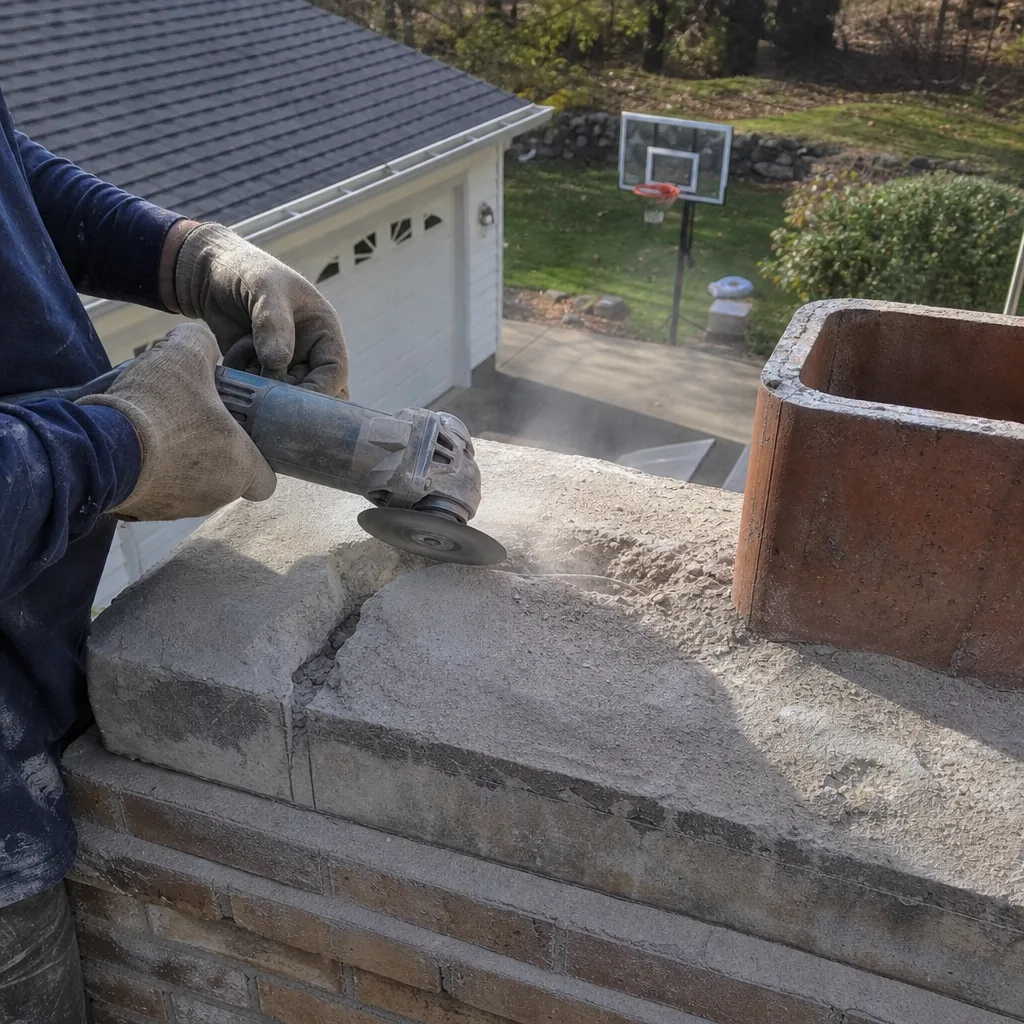
- Hiring on price alone without comparing scope: The lowest quote is often a Level 1 visual inspection masquerading as a full evaluation. In Crystal Lake, a proper NFPA 211 Level 2 sweep and inspection with camera documentation typically runs $225-$375 depending on chimney configuration and accessibility. Quotes below this range should trigger immediate scope verification.
- Accepting verbal promises about documentation: “We’ll email you photos” that never arrive, or “the technician will explain everything” without written record, leaves you without evidence if conditions deteriorate. Insist on written documentation commitment before booking.
- Neglecting to verify insurance directly: A certificate of insurance can be cancelled the day after it’s printed. A two-minute phone call to the carrier confirms active coverage and protects you from liability exposure.
- Assuming CSIA certification covers all technicians: The certified sweep may run the office while uncertified technicians perform field work. Verify the specific person who will work on your chimney.
- Ignoring exterior masonry condition: Crystal Lake homeowners often focus on flue cleaning and miss crown, cap, and exterior deterioration that causes the most expensive long-term damage. A complete inspection evaluates the chimney as a system, not a flue in isolation.
- Skipping annual inspection after a sweep: NFPA 211 recommends annual inspection regardless of use frequency. A sweep removes deposits; it does not prevent new conditions from developing. Annual camera inspection catches crown cracks, cap displacement, and animal intrusion before they cause liner damage.
- Failing to retain documentation for real estate transactions: Crystal Lake’s housing market moves quickly. A documented inspection record from a recognized firm reduces buyer inspection contingencies and supports asking price. Store digital copies of all chimney documentation with your home maintenance records.
When to Call a Professional
Call a chimney professional immediately if you notice smoke entering your living space, a strong odor of creosote during fireplace use, visible cracks in exterior masonry, or water staining on walls or ceilings near the chimney chase. These conditions indicate active hazards that require evaluation before the next fire.
Schedule preventive service if it has been more than twelve months since your last inspection, if you’ve recently purchased a home in Crystal Lake without documented chimney evaluation, or if you’re preparing to list your property and need inspection documentation for disclosure.
Level Two Chimney Crystal Lake offers free estimates in Crystal Lake and surrounding McHenry County communities. Every estimate includes a written price with itemized scope before any work begins, backed by our 365-Day Done Right Promise. Call (815) 923-3185 to schedule.
Frequently Asked Questions
A proper chimney sweep with NFPA 211 Level 2 camera inspection in Crystal Lake typically costs $225-$375 for a standard masonry fireplace, depending on chimney height, roof accessibility, and whether the flue requires mechanical creosote removal - see our Chimney Cleaning Cost Breakdown: The Crystal Lake Homeowner’s Reference for 2026 for full pricing factors. Wood stove inserts and multi-flue systems run higher. Quotes below $200 should be scrutinized for scope reduction or hidden add-ons. Call (815) 923-3185 for an exact quote - estimates are free.
You need a new flue liner if camera inspection reveals cracks, spalling, or gaps that allow flue gases to contact combustible building materials, or if your existing liner is unlisted and incompatible with your appliance type. Not every crack requires replacement - hairline cracks without displacement may be monitorable with annual inspection. We provide the camera footage and explain what we found in plain terms, then present repair, monitor, or replace options with written prices for each. Nothing is recommended without evidence you can see for yourself. Call (815) 923-3185 to schedule an evaluation.
NFPA 211 recommends annual inspection for all chimneys, and sweeping when creosote deposits exceed 1/8 inch thickness. In Crystal Lake’s climate, where freeze-thaw cycles accelerate exterior deterioration, annual camera inspection catches crown and cap problems before they cause liner damage. Heavy use of a wood-burning fireplace - more than three times weekly during burning season - typically requires annual sweeping. Occasional use may extend to every two years with inspection, but we do not recommend exceeding twelve months between inspections in any case. Call (815) 923-3185 to set up annual service.
Skipped maintenance allows creosote accumulation that increases chimney fire risk, and undetected liner deterioration that allows carbon monoxide leakage or structural fire spread. In Crystal Lake, water intrusion through deteriorated crowns causes accelerated masonry damage that turns a $400 crown repair into a $4,000 rebuild. The most expensive chimney work we perform follows years of deferred maintenance. Annual inspection and timely repair prevent this escalation. Call (815) 923-3185 for a free estimate.
Homeowners can brush a flue from the firebox with proper rods and brushes, but this removes only accessible deposits and evaluates nothing. A proper NFPA 211 Level 2 inspection requires camera equipment, training in creosote classification, and knowledge of liner failure modes that a homeowner cannot reasonably acquire. More importantly, roof access for exterior evaluation carries fall risk, and misdiagnosing a cracked liner as “clean enough” has fatal consequences. We recommend professional evaluation for all chimney systems. Call (815) 923-3185 to schedule.
A sweep removes combustible deposits from the flue walls using brushes and rods. An inspection evaluates the structural condition of the liner, crown, cap, exterior masonry, and appliance connection. In Crystal Lake, many companies sell “sweep and inspection” packages that include only a Level 1 visual check - looking with a flashlight from the firebox floor. A true Level 2 inspection, which we perform on every fireplace service visit, includes camera documentation of the flue interior and written condition assessment. Ask specifically which level you’re buying. Call (815) 923-3185 for clarification or to schedule.
The Bottom Line
Hiring a chimney contractor in Crystal Lake requires the same diligence you’d apply to any significant home service, with one critical difference: the absence of state licensing means no regulatory backstop protects you from unqualified providers. Your protection is the questions you ask before booking and the documentation you receive when work is complete. Verify CSIA certification directly. Insist on written price and scope before any work begins. Confirm camera inspection is included, not optional. Compare quotes on documentation and warranty terms, not price alone. And retain your records - they are your evidence if conditions change and your asset when you sell.
We’ve completed more than 38,000 chimney inspections and cleanings since 2009, every one with a written price before work started and a documented photo record when it was done. That practice became Clause 4 of the Haven Standard because we believe what you can see matters more than what we can say.
Call (815) 923-3185 for a free estimate in Crystal Lake. A live person answers 24 hours a day. You’ll receive a written price with itemized scope before any work begins, and a documented photo record when it’s done. That’s the Haven Standard. It’s how we’ve worked since 2009.
Written by Corrine Halstead, Owner at Level Two Chimney Crystal Lake, serving Crystal Lake since 2009.