
Last updated September 22, 2026
Level 1 sweep and inspection to the NFPA 211 annual standard - flue, crown, cap, and flashing checked and photographed
Chimney sweep logs do not sweep chimneys. They loosen some creosote - which then falls where a brush and vacuum still have to collect it.
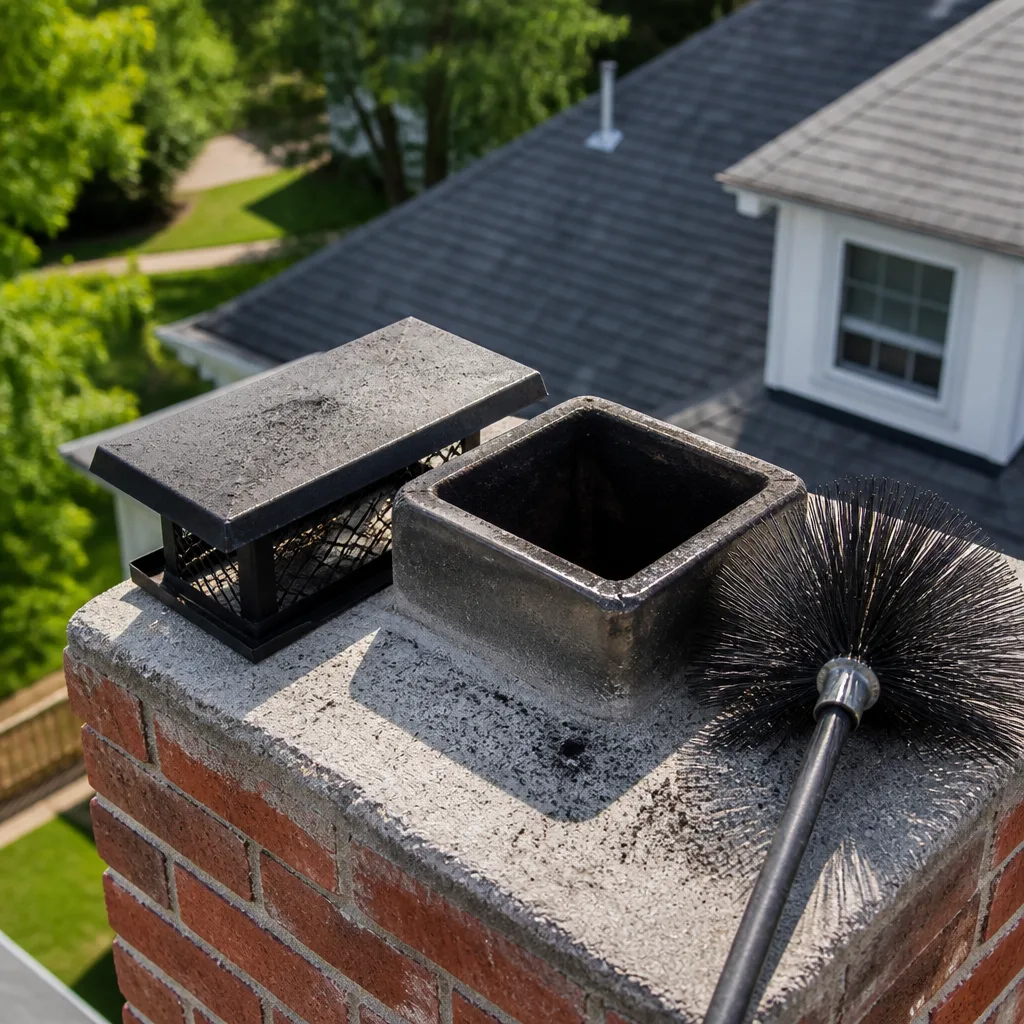
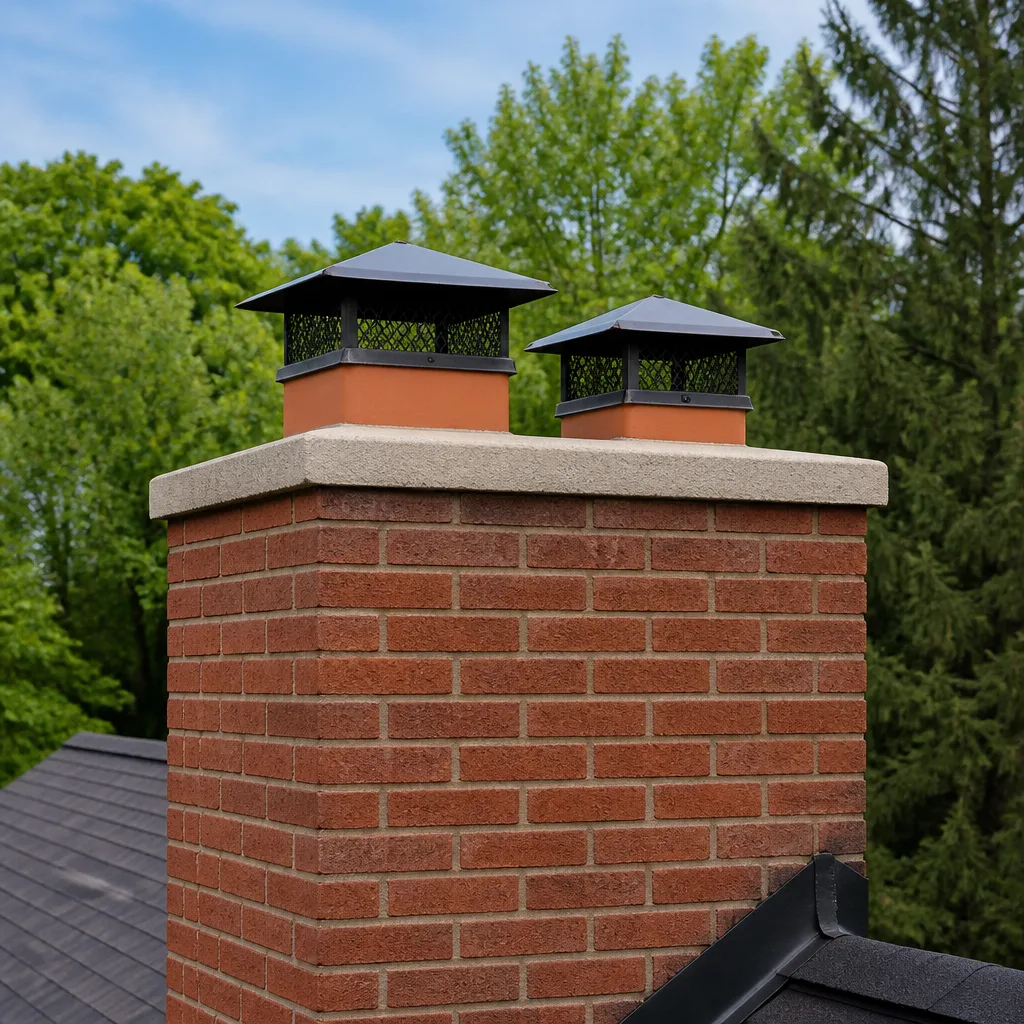
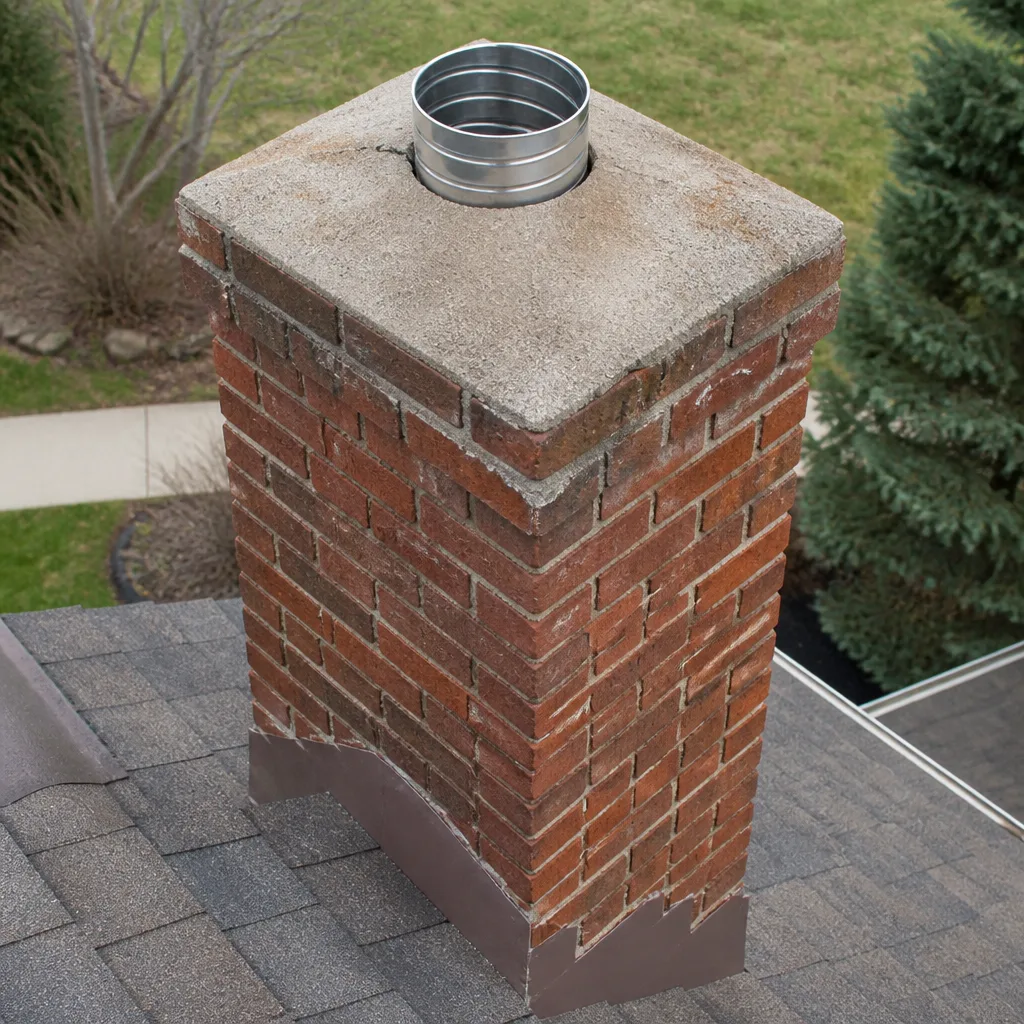
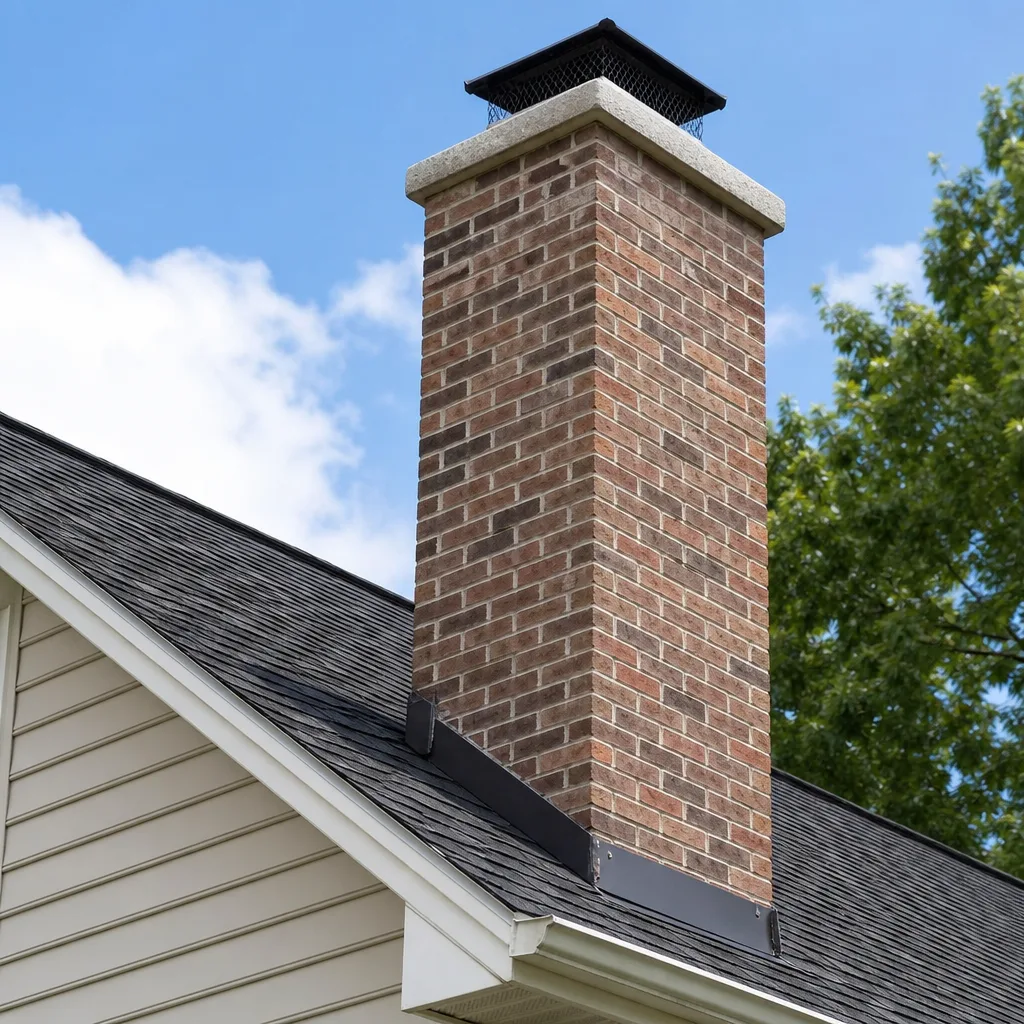
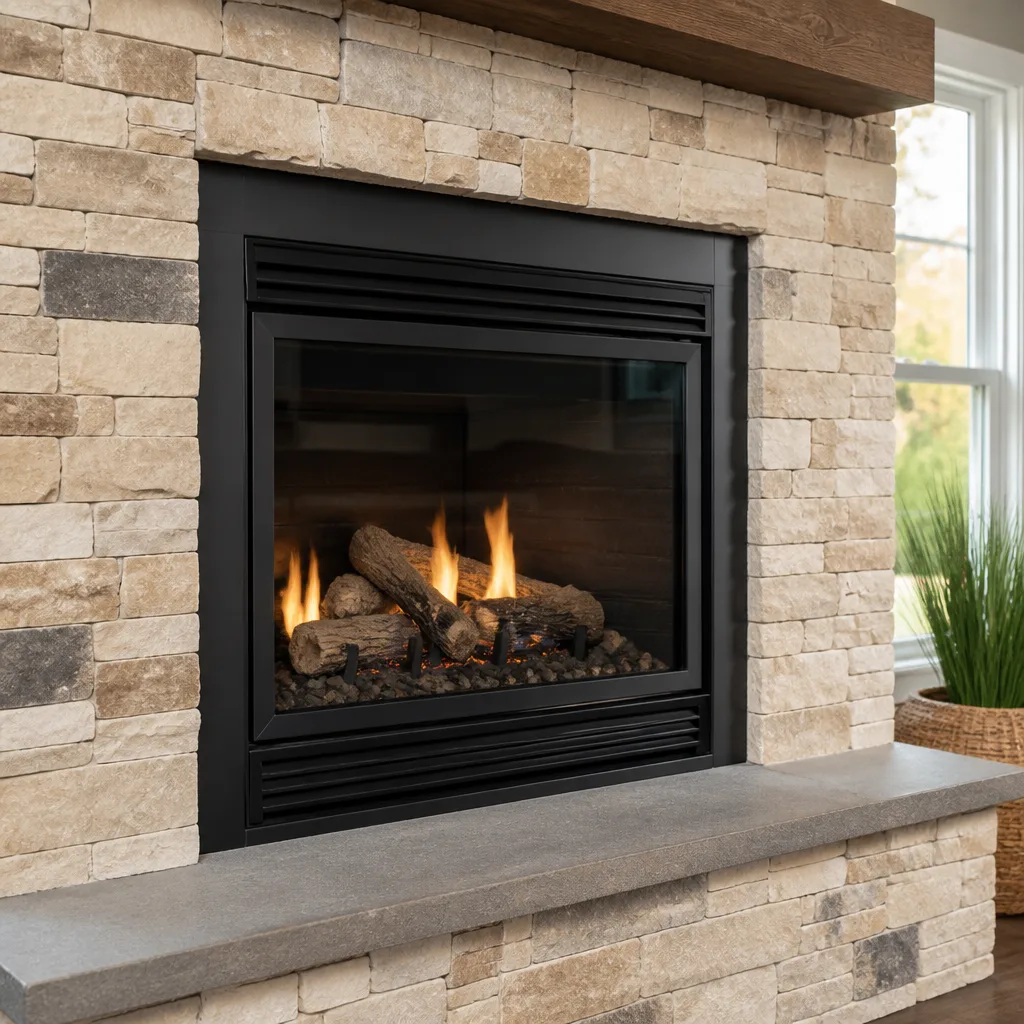
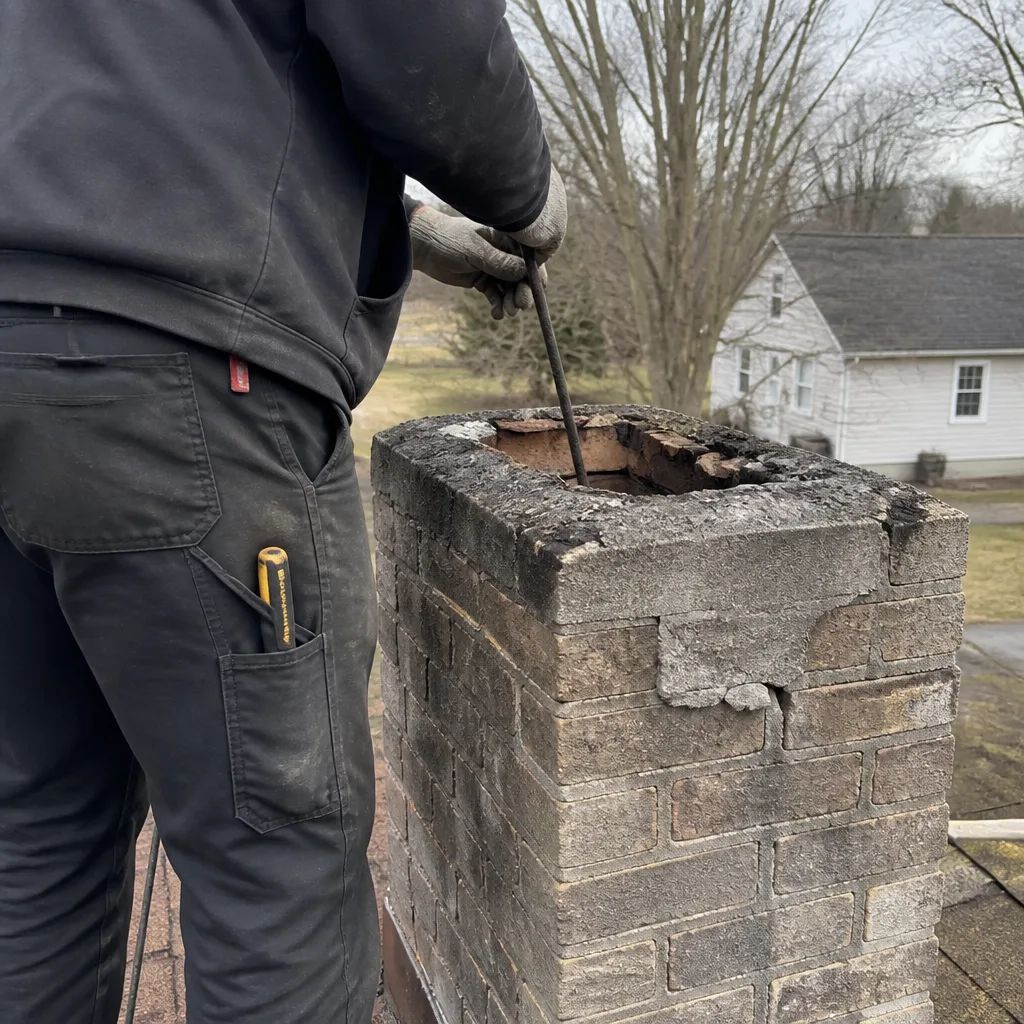 Before
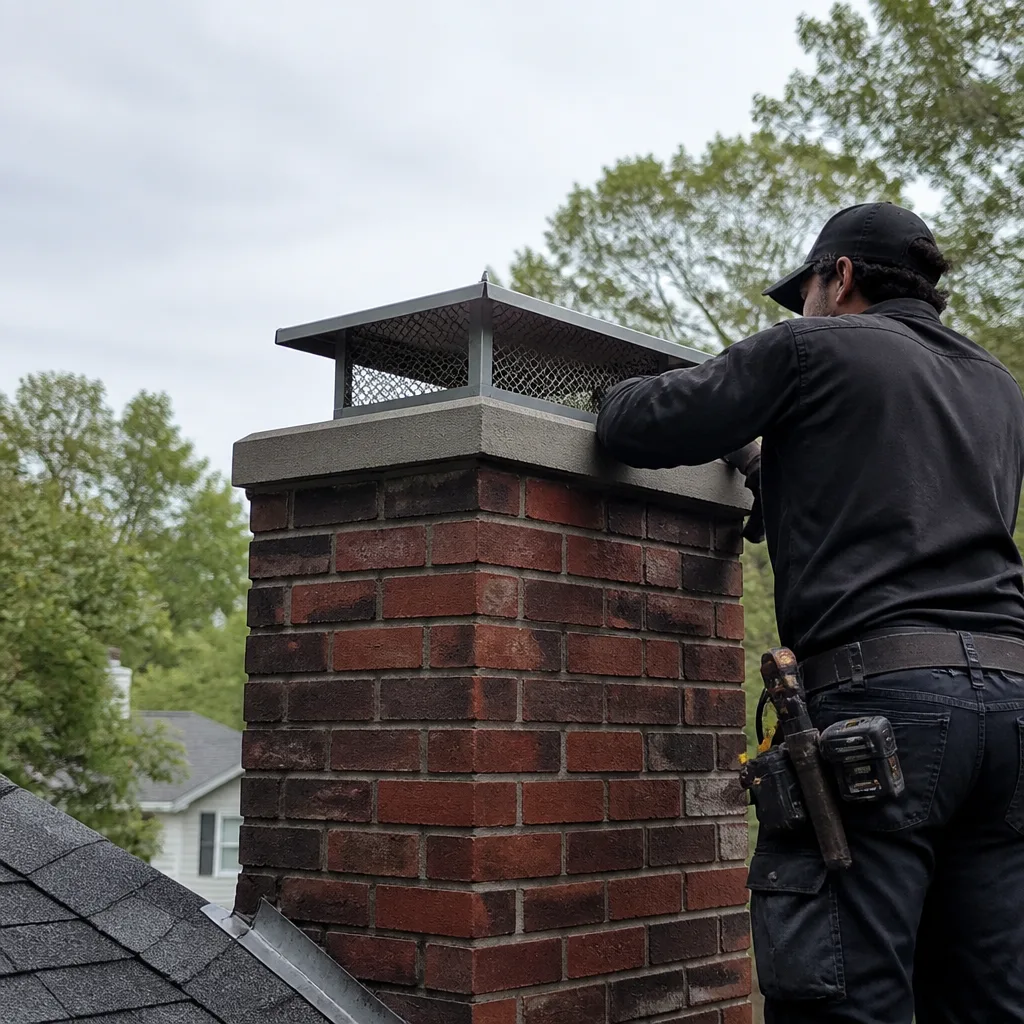 After
After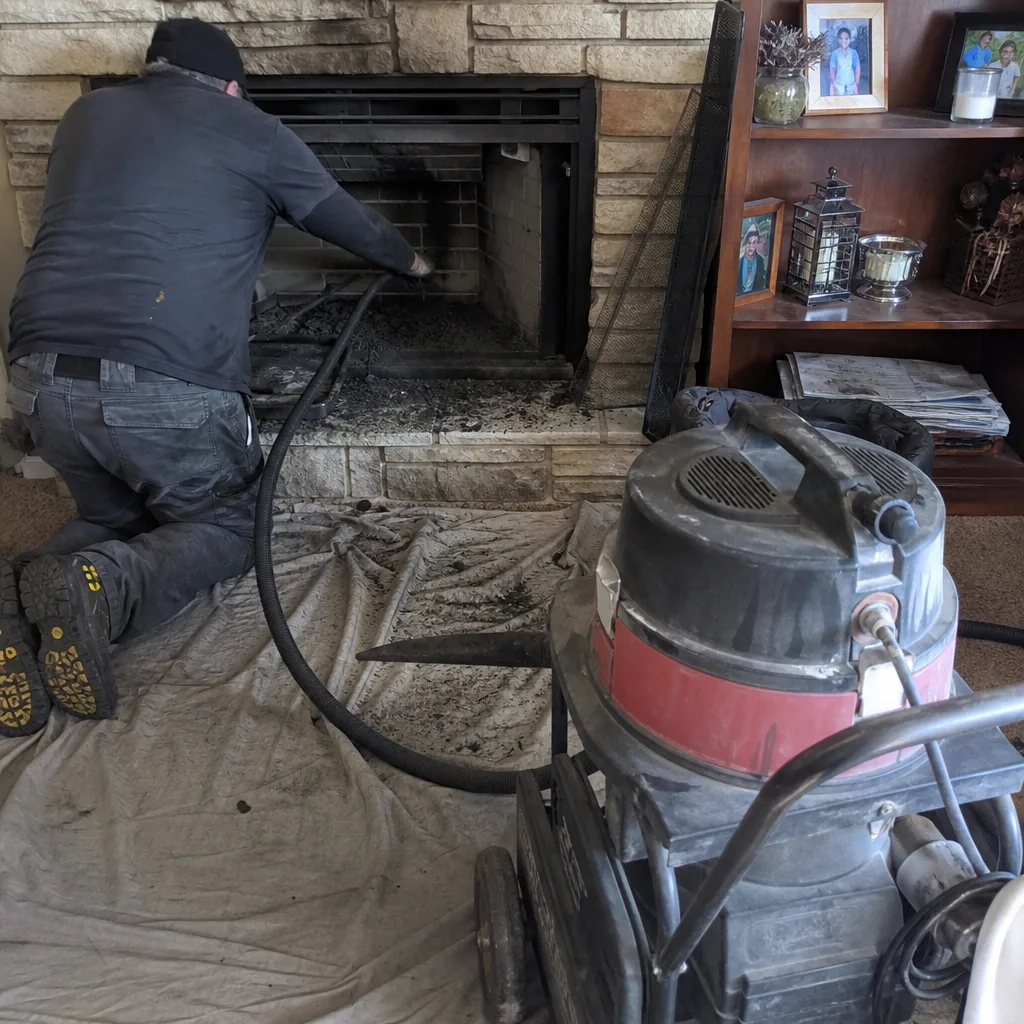 Before
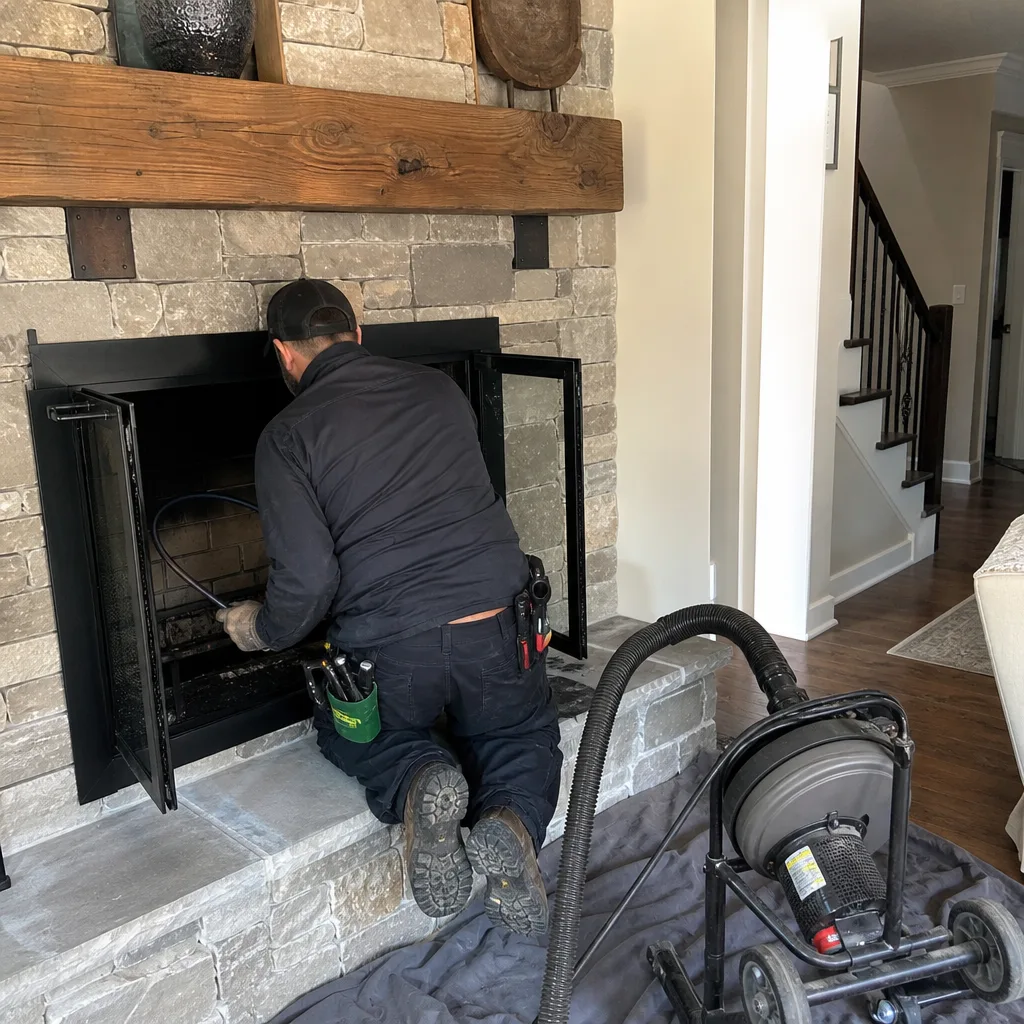 After
After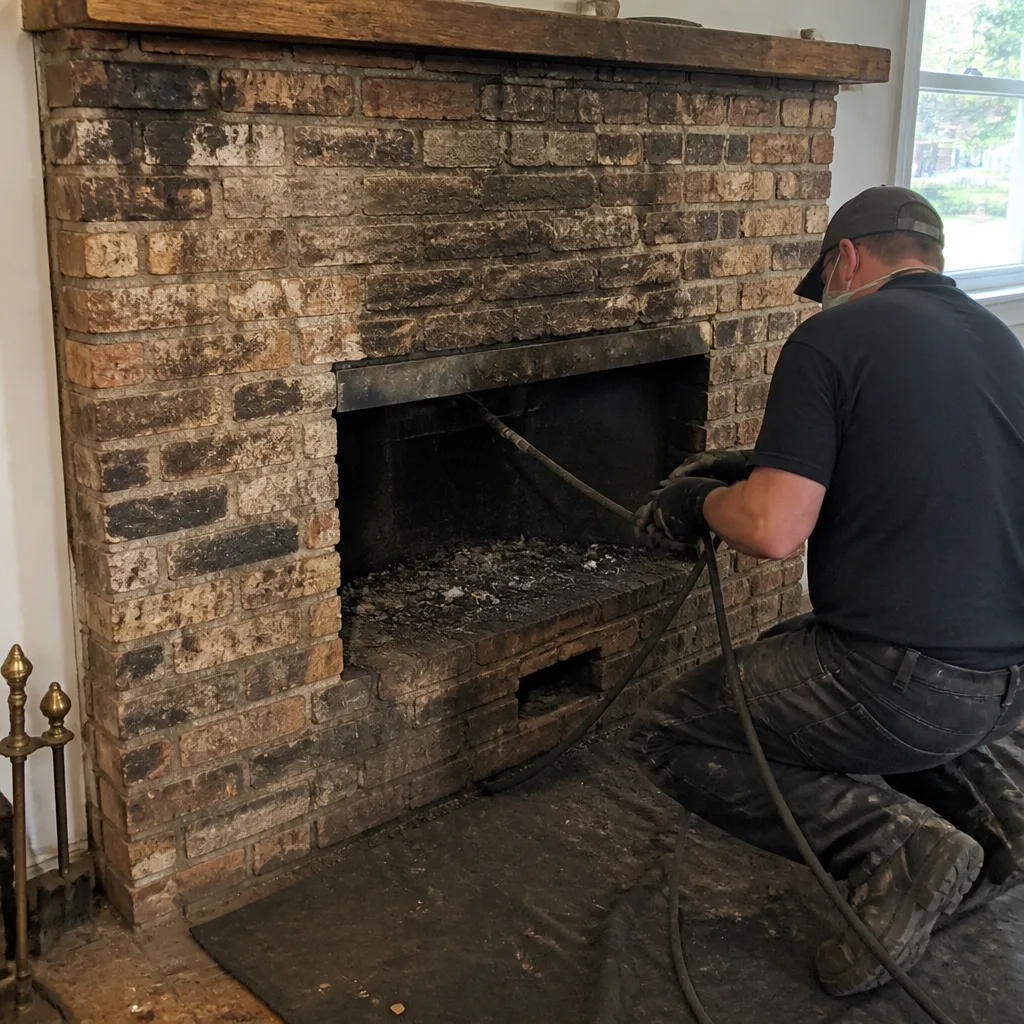 Before
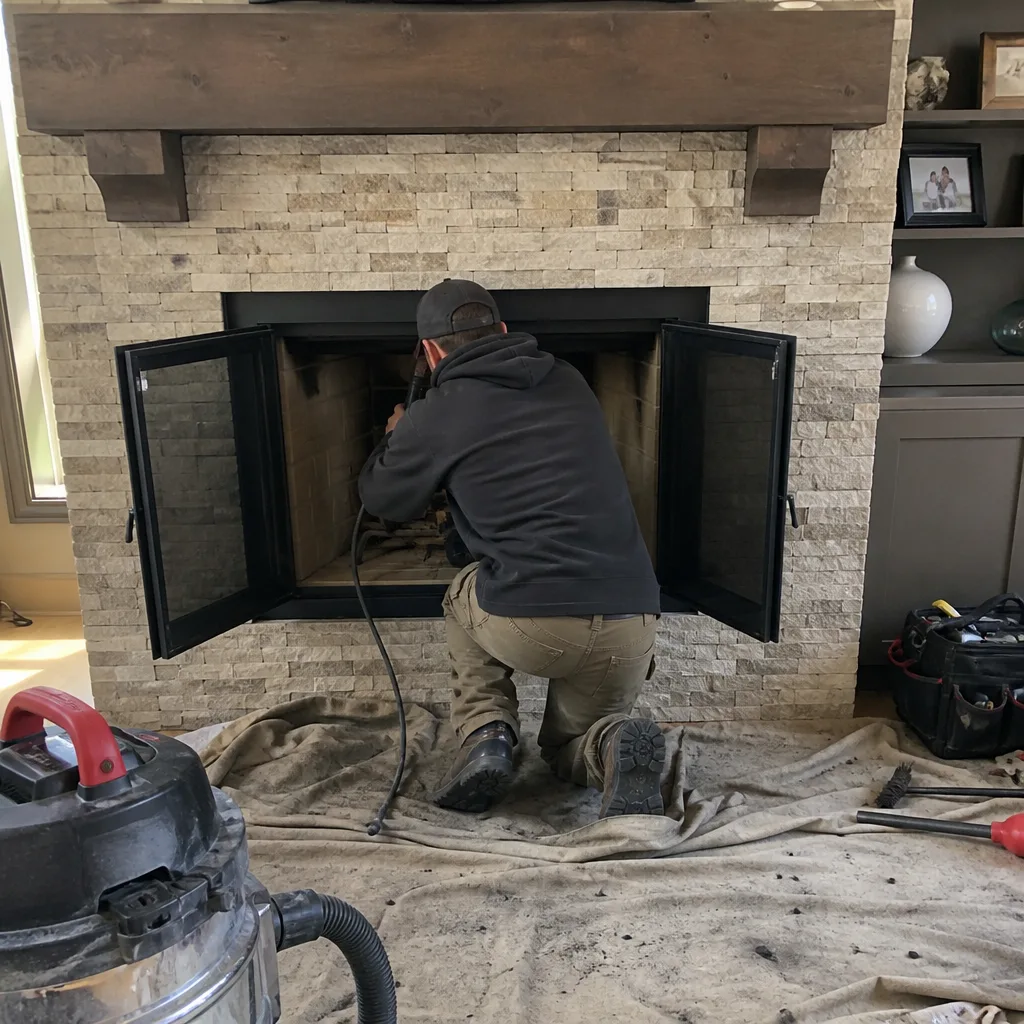 After
AfterSeasonal Chimney Cleaning Care for Crystal Lake: Year-Round Homeowner’s Guide
Crystal Lake averages 37 inches of annual precipitation and sits close enough to Lake Michigan to catch lake-effect moisture surges that push water into uncapped flues during months most homeowners aren’t thinking about their chimney at all. The conventional advice - clean in fall before heating season - treats chimney care as a single annual event, but Crystal Lake’s specific climate creates four distinct threat windows that each demand different homeowner actions. In this guide - and in our Chimney Cleaning & Sweep Maintenance Checklist for Crystal Lake Homeowners - we’ll replace the one-date reminder with a month-by-month framework tied to actual local conditions, so your chimney stays functional, safe, and documented year-round.
Quick Answer
Chimney care in Crystal Lake should follow four distinct seasonal phases: pre-season inspection and sweep in September-October, active-burn monitoring December-February, post-season damage assessment in March-April, and off-season cap and crown maintenance May-September. Homeowners who follow this cycle catch freeze-thaw damage before it deepens, avoid the fall scheduling rush, and maintain the documented inspection record that insurers and home buyers increasingly expect.
Table of Contents
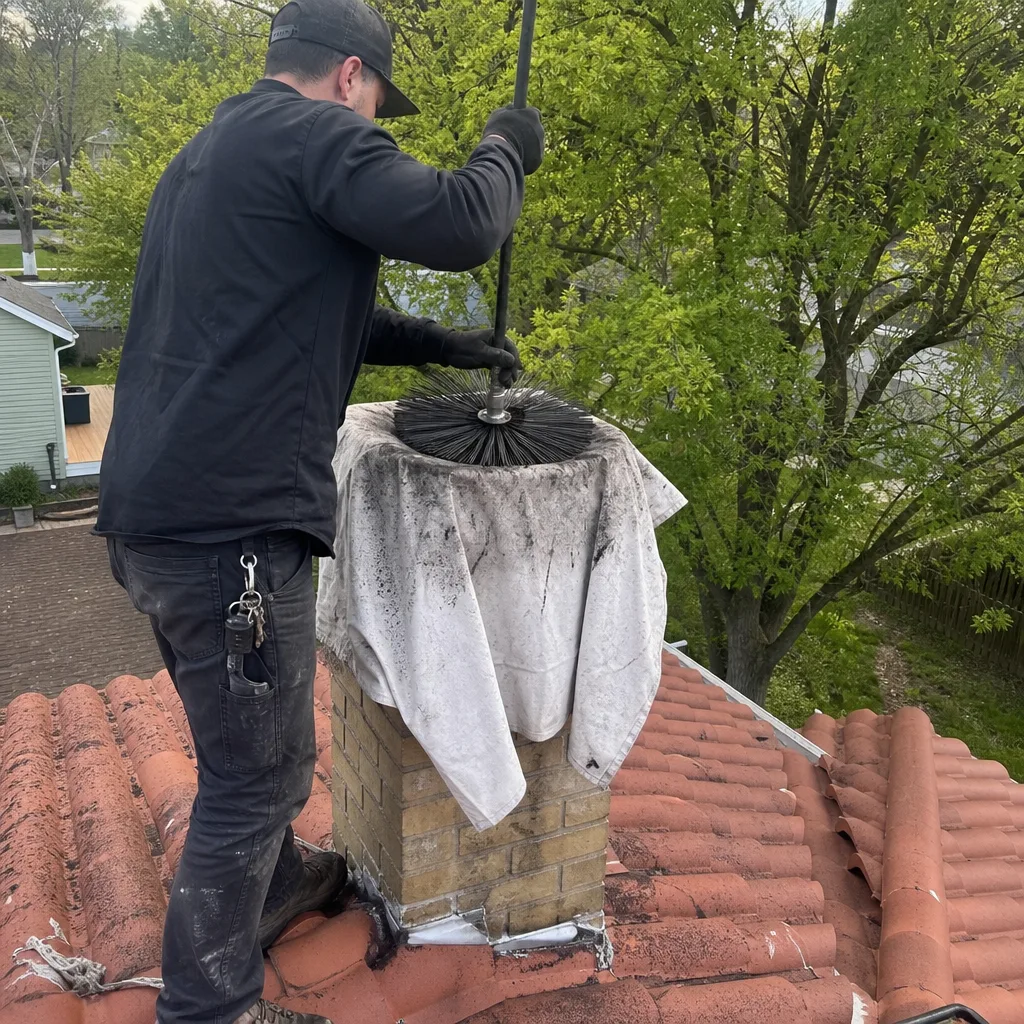
- October-November: The Highest-Risk Burns of the Year
- December-February: Freeze-Thaw Damage in Northern Illinois Winters
- March-April: The Post-Season Inspection Window
- May-September: Off-Season Cap, Crown, and Liner Work
- How to Keep a Seasonal Chimney Log
- What a Professional Sweep and Inspection Actually Includes
- Chimney Sweep and Repair Costs in Crystal Lake
- Common Mistakes to Avoid
- When to Call a Professional
- Frequently Asked Questions
- The Bottom Line
 Before
 After
AfterOctober-November: The Highest-Risk Burns of the Year
The first three fires of any heating season are the highest-risk burns your chimney will see all year. Here’s why: over the spring and summer, moisture has been working inside the flue, even if you can’t see it from the firebox. In Crystal Lake, lake-effect humidity and those 37 inches of annual precipitation mean that uncapped or poorly capped flues accumulate moisture that mixes with residual soot and creosote. When the first cold snap hits - typically mid-October in McHenry County - homeowners light up without checking what changed inside the flue during the off months.
We’ve inspected chimneys in Crystal Lake neighborhoods like Coventry and Four Colonies where the first fire of the season revealed blocked flues from bird nests built in May, or from deteriorated chimney crowns that shed debris into the flue all summer. The NFPA 211 standard requires annual inspection, and for good reason: the transition from idle to active is when hidden damage becomes active hazard. (See Chimney Cleaning Permits, Codes & Inspections in IL: What You Need to Know for regulatory details.)
What to check before lighting the first fire:
- Visual cap and crown check from ground level. Use binoculars. Look for missing or rusted cap mesh, cracks in the crown wash, or displaced bricks on the top course. If you see white efflorescence staining the brick below the crown, water has been moving through the masonry.
- Firebox and damper inspection. Open the damper fully. It should move smoothly and seat completely when closed. Look up the flue with a flashlight for obvious obstructions, though a flashlight look is not a substitute for camera inspection.
- Smoke chamber and lintel condition. The smoke chamber is the area above the damper that funnels smoke into the flue. Check for cracked or missing mortar. The lintel, the steel or concrete support across the top of the firebox opening, should show no sagging or rust streaks.
- Schedule the Level 2 inspection if it’s been more than 12 months. A Level 2 inspection includes a camera scan of the flue liner interior. Clause 4 of the Haven Standard requires a documented photo record on every job - we don’t consider an inspection complete without it, and we haven’t since 2009.
The fall rush in Crystal Lake starts in earnest by October 15. Homeowners who wait until the first cold night often find themselves two to three weeks out for an appointment. Scheduling in early September, before the McHenry County heating season begins, gets you priority timing and a technician who isn’t working dusk-to-dusk through a backlog.
December-February: Freeze-Thaw Damage in Northern Illinois Winters
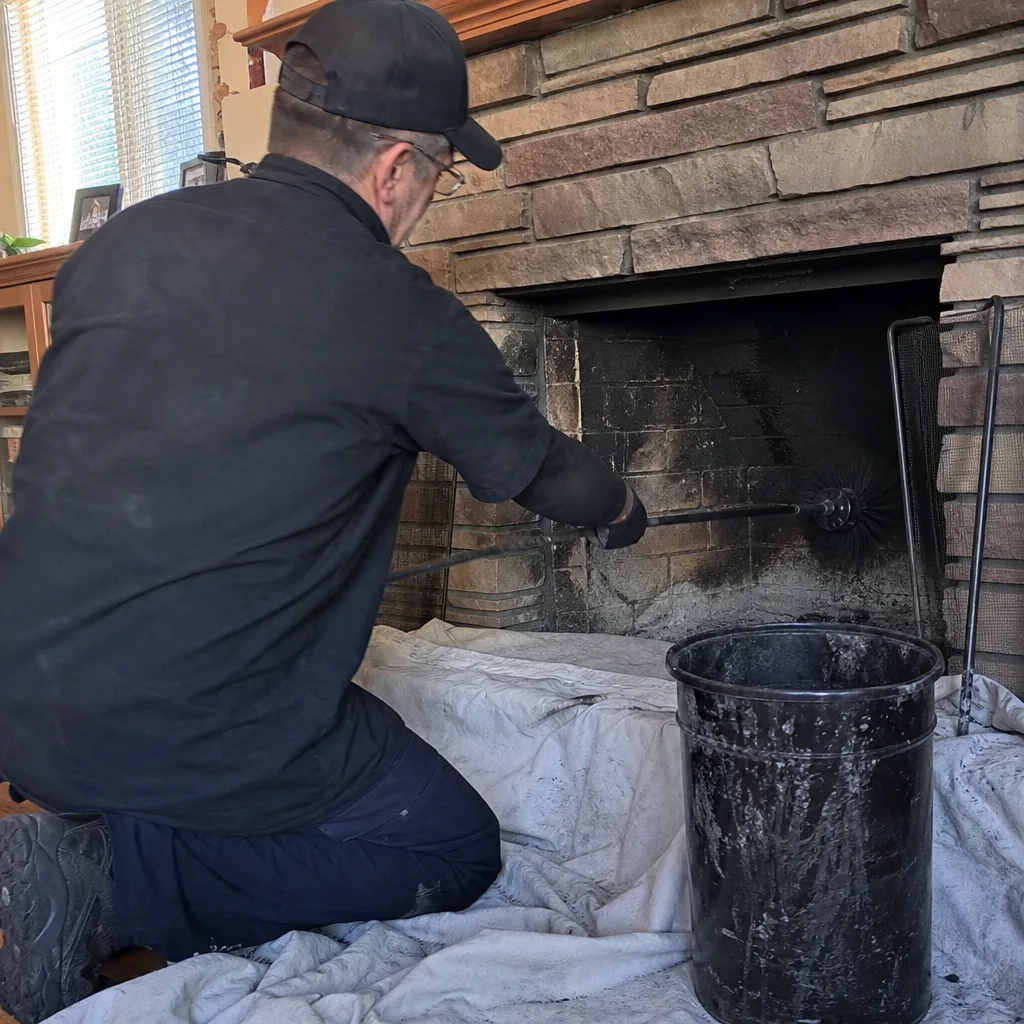
Northern Illinois winters produce a specific masonry damage pattern that homeowners can learn to spot. The freeze-thaw cycle works like this: moisture enters micro-cracks in the crown wash, mortar joints, or brick faces during a warming period or rain-on-snow event. Temperatures drop below 32°F - common in Crystal Lake from December through February - and that water expands by about 9% as it freezes. The expansion forces the crack wider. Next thaw, more water enters. By March, a hairline crack can become a spalled brick face or a separated crown.
Crystal Lake’s position northwest of Chicago means we see more severe temperature swings than lakefront communities. A January day might start at 8°F, spike to 34°F by afternoon with sun on dark roofing, then drop to 15°F overnight. That swing range is what accelerates freeze-thaw damage compared to steadier cold climates.
Ground-level inspection checklist for winter months:
- Check the ground around the chimney base after thaw events. Small piles of sand-colored grit are spalled mortar or crown material that has washed down. This is early evidence of active freeze-thaw damage.
- Look for new stains on interior ceilings or walls adjacent to the chimney chase. Water entry often follows the path of least resistance to interior drywall, especially in two-story homes in areas like Lakewood or the historic district near downtown Crystal Lake.
- Monitor draft performance during temperature inversions. On very cold, still mornings, you may notice smoke lingering in the firebox or a weak draft. This can indicate a partially blocked flue or a cold chimney that needs pre-warming, but persistent issues warrant professional inspection.
- Never burn treated wood, painted wood, or household trash. These materials accelerate creosote buildup and can release corrosive compounds that damage stainless steel flue liners, including DuraFlex and Olympia Chimney products we install.
Class III creosote - the hardened, tar-like deposit that requires mechanical removal - forms most rapidly during slow, smoldering burns. The EPA-certified stoves and inserts common in newer Crystal Lake construction are designed for hot, efficient combustion. Burning them damped down for overnight heat produces the exact conditions that create Class III deposits.
March-April: The Post-Season Inspection Window
March and April represent the most underutilized inspection window in chimney care. Here’s why this timing matters in Crystal Lake specifically: the heating season has ended, so the flue contains a full winter’s accumulation of soot, creosote, and combustion byproducts. Any damage from freeze-thaw cycles is fresh and hasn’t yet been worsened by a full summer of moisture intrusion. And scheduling availability opens up - you’re not competing with every other homeowner who remembered their chimney on the first cold night.
In our experience across 38,000+ inspections, the chimneys we see in March show damage in its earliest, most treatable stage. A crown crack caught in April might need a $400-$700 crown wash repair with HeatShield crown sealant. That same crack, left through a summer of rain and a second winter of freeze-thaw, often requires partial rebuild at $2,000-$4,500.
What a post-season inspection should document:
- Creosote classification and thickness. The technician should classify deposits as Class I (sooty, brush-removable), Class II (granular, requiring rotary tools), or Class III (glazed, requiring specialized mechanical removal). This classification determines sweep method and predicts next year’s buildup rate.
- Flue liner condition with photo documentation. Clay tile liners show vertical cracking, spalling, or joint separation. Stainless steel liners show corrosion, buckling, or dislodged connections. Every condition should be photographed and included in your written report.
- Crown, cap, and flashing integrity. The crown wash should slope away from the flue tile with no ponding areas. Cap mesh should be intact with 3/4-inch spacing (small enough for squirrels, large enough for smoke). Step flashing and counterflashing should show no gaps or lifted seams.
- Smoke chamber and firebox condition. Parged smoke chambers should show intact parge coating. Unparged chambers should show no exposed corbels or severe mortar loss.
The documented photo record from this inspection becomes your baseline for comparison next year. When a homeowner in Crystal Lake’s Wingate neighborhood can show us photos from March 2024 and March 2025, we can identify deterioration rates precisely and recommend maintenance before failure, not after.
May-September: Off-Season Cap, Crown, and Liner Work
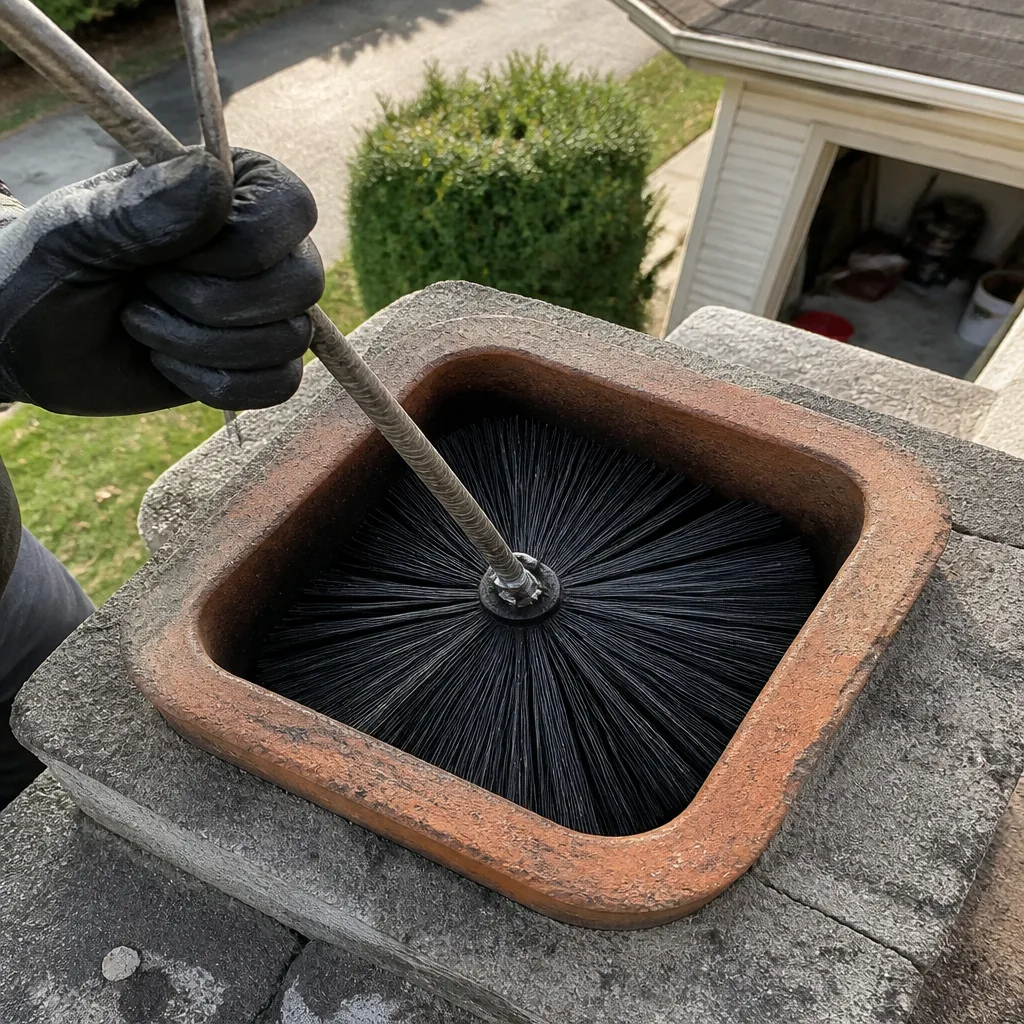
This is the season most Crystal Lake homeowners forget their chimney exists. That’s a mistake. May through September is when moisture does its deepest damage, when scheduling is most flexible, and when pricing reflects lower demand.
Lake-effect moisture surges don’t stop in summer. A July thunderstorm can dump two inches of rain in an hour, and that water enters any opening at the top of the chimney. We’ve documented water damage in July that homeowners discovered only in October when they opened the damper for the first fire. The rust stains, the musty odor, the deteriorated firebox floor - all of it developed during months when the chimney was “out of sight, out of mind.”
Off-season maintenance priorities:
- Cap replacement or installation. A proper chimney cap with integrated mesh sides prevents water entry, animal intrusion, and debris accumulation. Gelco and Famco caps we source through Haven’s buying network include lifetime warranties on stainless steel models.
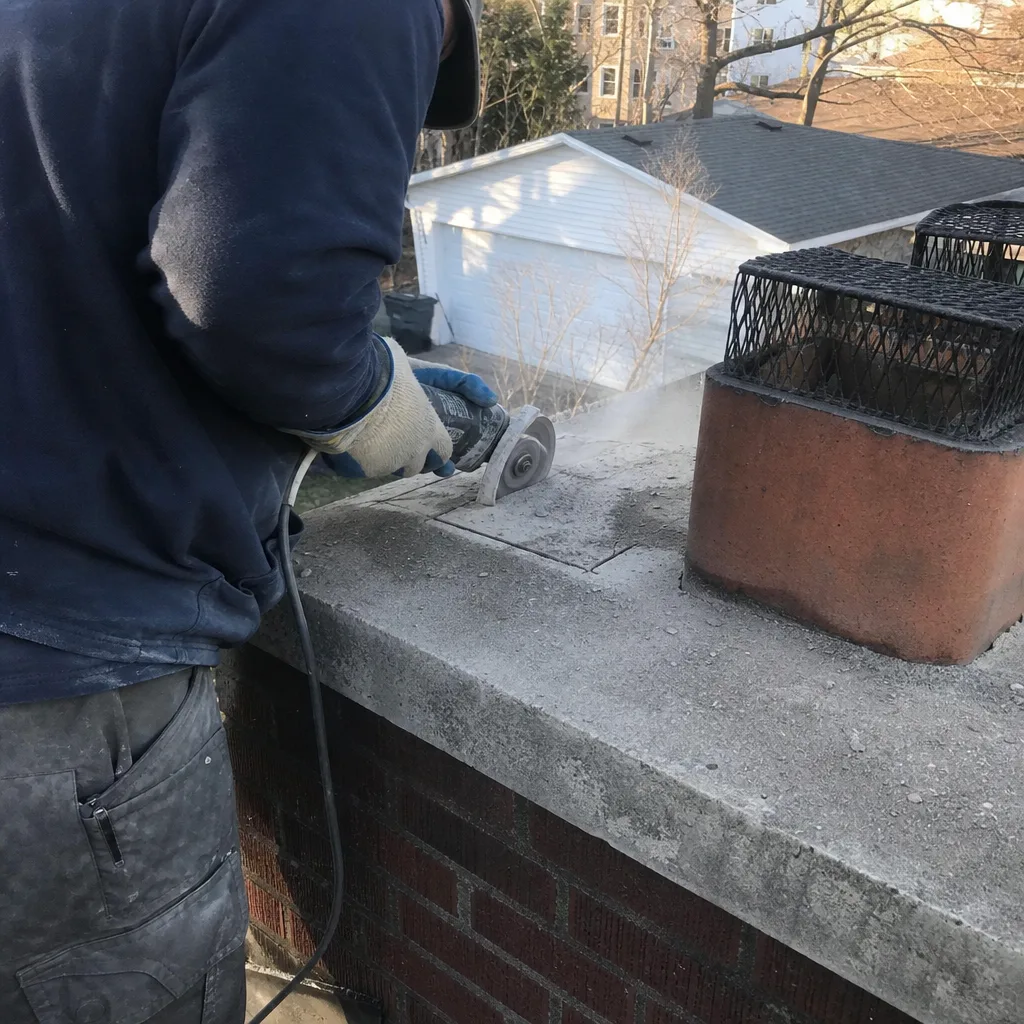
- Crown wash repair or rebuild. Minor cracks can be sealed with flexible crown sealant. Severely deteriorated crowns require forming and pouring new concrete with proper slope and overhang. This work requires dry conditions and moderate temperatures - May and September are ideal in Crystal Lake.
- Flue liner evaluation and replacement planning. If your March inspection revealed liner damage, summer is the time to schedule replacement. Stainless steel liner installation from DuraFlex or Olympia Chimney requires a full day of work and complete flue access. Doing this in July means no heating disruption and no fall scheduling competition.
- Exterior masonry repointing. Open mortar joints accelerate water entry and freeze-thaw damage. Repointing with proper type-N or type-S mortar matching the original composition should be done when temperatures stay between 40°F and 90°F for 72 hours after application.
Homeowners who schedule in June or July typically get their choice of appointment times and often benefit from lower demand pricing. We’ve maintained consistent year-round rates at Level Two, but many Crystal Lake competitors raise prices 15-25% in September-October when demand spikes. The off-season scheduler avoids that premium and the wait.
How to Keep a Seasonal Chimney Log
A simple seasonal log makes every future inspection faster, every written report more accurate, and every insurance or real estate transaction smoother. You don’t need special software. A dedicated notebook or digital note works fine.
What to record after each fire season:
- Dates of first and last fire. This establishes your personal heating season length, which affects creosote accumulation rates.
- Fuel type and source. Seasoned hardwood (oak, maple, hickory) burns cleaner than softwood or unseasoned wood. If you bought from a Crystal Lake-area supplier, note the name - quality varies significantly by vendor.
- Any draft issues, smoke spillage, or unusual odors. Note the date, weather conditions, and what you observed. Temperature inversions and high wind from specific directions affect draft in predictable patterns.
- Inspection dates, technician name, and findings summary. Include the NFPA inspection level performed and whether a camera scan was included.
- Photos of the exterior from consistent angles. Take these in April each year, after winter damage is visible but before summer growth obscures the chimney.
- Copies of written estimates, invoices, and warranties. Clause 1 of the Haven Standard requires a written price, written scope, and written warranty before any work starts. Keep these documents with your home records.
When you call for your next appointment, read the technician two or three entries from your log. “Last March we found Class II creosote at 1/8 inch, and the crown had a three-inch crack on the south face.” That information directs the inspection efficiently and demonstrates an engaged homeowner - the kind of customer we prioritize for scheduling.
What a Professional Sweep and Inspection Actually Includes
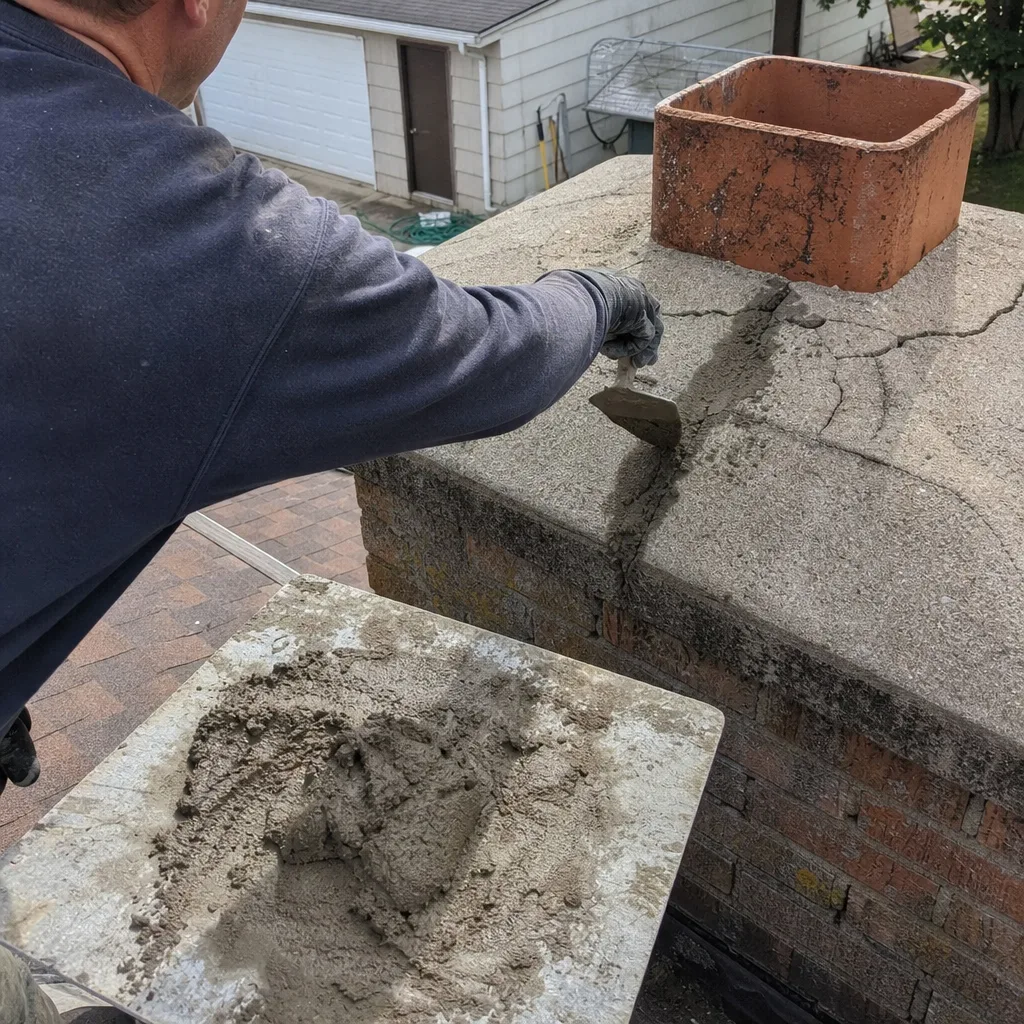
Not every company that advertises “chimney sweep” performs the same service. In Crystal Lake, we’ve encountered competitors who charge $89 for a “sweep” that consists of a flashlight look and a wire brush run from the firebox up ten feet. That is not an NFPA 211 inspection and it does not produce documentation.
Our standard sweep and Level 2 inspection includes:
- Interior and exterior visual inspection of accessible components
- Camera scan of the full flue liner length, from firebox to crown
- Smoke chamber and firebox inspection with photo documentation
- Creosote classification and measurement
- Mechanical sweep using brushes, whips, or rotary tools matched to the flue type and deposit class
- Debris removal and HEPA containment
- Written report with photo record, delivered by email within 24 hours
- Written estimate for any recommended repairs, with scope and warranty specified
The camera scan is non-negotiable in our practice. Since 2009, every one of our 38,000+ inspections has included documented photo or video record of the flue interior. Clause 4 of the Haven Standard codifies this practice, which became standard with us years before insurers or regulators required it. A flashlight cannot reveal the vertical crack in a clay tile liner, the buckled seam in a stainless steel liner, or the creosote buildup hidden behind a smoke shelf overhang.
We also provide a Free Second Opinion on any written estimate from a competitor. Bring us their written scope and price, and we’ll review it against what our camera scan shows in your flue. We’ve found instances where Crystal Lake homeowners were quoted $4,000 liner replacements for damage that was actually minor joint separation repairable for under $600.
Chimney Sweep and Repair Costs in Crystal Lake
Specific pricing matters. Homeowners researching before they call want to know whether they’re facing a $200 maintenance visit or a $4,000 rebuild. Here are the ranges we see in the Crystal Lake market for work performed to NFPA 211 standards with documented photo records:
| Service | Typical Range | What Affects Price |
|---|---|---|
| Level 2 inspection with camera scan | $199-$289 | Number of flues, accessibility, insert removal required |
| Standard sweep (Class I-II creosote) | $179-$259 | Flue length, number of appliances, insert type |
| Heavy creosote removal (Class III) | $350-$650 | Thickness, flue diameter, access difficulty |
| Crown wash repair with sealant | $400-$750 | Crown size, crack extent, accessibility |
| Crown rebuild (formed and poured) | $1,800-$3,200 | Dimensions, scaffolding needs, liner protection |
| Stainless steel liner installation | $2,800-$5,500 | Flue length, diameter, appliance type, connector work |
| Chimney cap (stainless steel, installed) | $285-$595 | Size, mesh specification, brand (Gelco, Famco) |
| Exterior repointing (per square foot) | $18-$32 | Joint depth, mortar type, scaffolding |
Every price we quote is written, itemized, and delivered before work begins. No exceptions. Clause 1 of the Haven Standard - “Have it in writing” - means you know exactly what you’re paying for and what warranty covers it. We don’t start work on a handshake and surprise you with add-ons.
Call (815) 923-3185 for an exact quote on your specific chimney. Estimates are free, and we carry the full inspection equipment on every truck.
Common Mistakes to Avoid
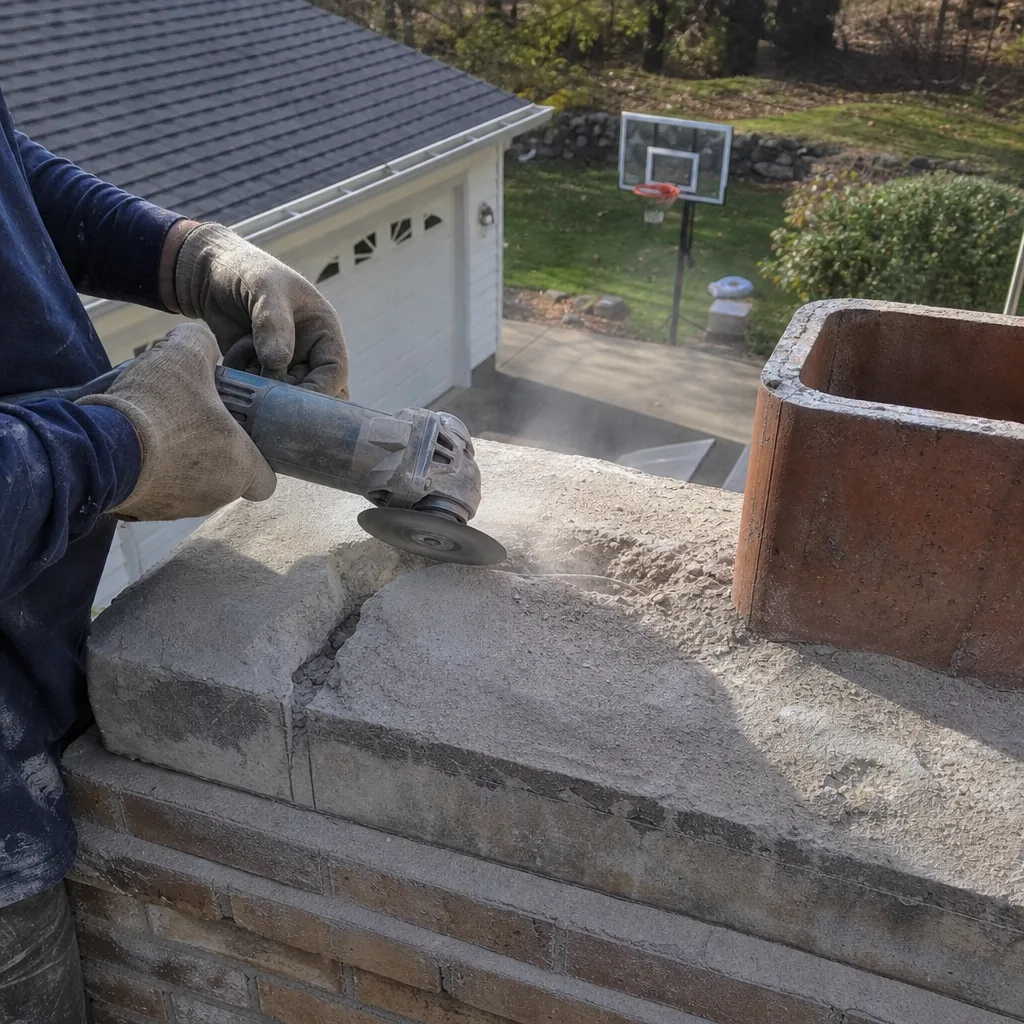
- Waiting for the first cold night to schedule. By October 20 in Crystal Lake, reputable sweeps are booked two to three weeks out. You’re either waiting in the cold or settling for whoever has availability left.
- Accepting a “sweep” without camera documentation. A brush run from the firebox doesn’t inspect the liner. Hidden damage progresses until it causes a chimney fire or carbon monoxide leak.
- Burning unseasoned wood from local tree services. Wood with moisture content above 20% produces acidic smoke that corrodes stainless steel liners and accelerates creosote buildup. Buy from established firewood dealers in McHenry County who certify seasoning time.
- Ignoring the crown because “it’s just the top.” The crown is your chimney’s roof. A failed crown channels water directly into the masonry core, where it causes damage you can’t see until it’s extensive.
- Assuming a gas fireplace needs no inspection. Gas appliances produce corrosive condensation, and their liners still deteriorate. Annual inspection applies to all fuel types under NFPA 211.
- DIY creosote removal with chemical logs or powders. These products can loosen deposits unpredictably, creating blockages or sending flaming debris down the flue. Mechanical removal by a trained technician is the only controlled method.
When to Call a Professional
Call a certified chimney professional immediately if you notice smoke entering your living space, a persistent chemical or tar odor when the fireplace is not in use, visible cracks in the firebox or smoke chamber, or debris falling into the firebox from above. These symptoms indicate active hazards that require prompt inspection.
Schedule preventive inspection if it’s been more than 12 months since your last Level 2 inspection, if you’ve recently purchased your home and have no documentation of prior service, or if you’re preparing to list your property and need a documented condition report for disclosure.
Level Two Chimney Crystal Lake offers free estimates in Crystal Lake - call (815) 923-3185. Our technicians are background-checked, uniformed, and carry license information on every page of documentation. You’ll get a text when your technician is en route, a written price before any work starts, and a photo record of everything we find.
Frequently Asked Questions
A professional chimney sweep with Level 2 camera inspection in Crystal Lake typically costs between $179 and $289 for standard service, with heavy creosote removal running $350 to $650 depending on buildup severity. For a deeper dive, see our Chimney Cleaning Cost Breakdown: The Crystal Lake Homeowner’s Reference for 2026. Prices vary by flue length, number of appliances, and whether insert removal is required. Call (815) 923-3185 for an exact quote - estimates are free.
The NFPA 211 standard requires annual inspection, with sweeping frequency determined by creosote accumulation. Most Crystal Lake homeowners burning seasoned hardwood 3-4 times weekly need annual sweeping. Those with gas inserts or occasional wood use may inspect annually but sweep every 2-3 years if camera scan confirms minimal buildup.
You need liner replacement only if inspection reveals damage that creates safety hazards: cracked clay tiles with gaps visible to the chimney wall, buckled or separated stainless steel seams, or missing liner sections. We never recommend liner replacement without camera evidence you can see yourself. Bring us a competitor’s written estimate for a Free Second Opinion.
Skipped maintenance leads to three predictable outcomes: creosote accumulation increases chimney fire risk, moisture intrusion causes progressive masonry damage that accelerates repair costs, and undetected liner deterioration creates carbon monoxide exposure potential. In Crystal Lake’s climate, the freeze-thaw cycle turns minor cracks into major rebuilds within two to three years.
Homeowners can perform ground-level visual checks for obvious cap, crown, and exterior masonry issues. However, flue liner condition, smoke chamber integrity, and creosote classification require specialized camera equipment and training. We do not recommend DIY flue inspection - the consequences of missing hidden damage include chimney fire and carbon monoxide poisoning.
March through May offers the best combination of post-season damage visibility, open scheduling, and pre-summer repair timing. September scheduling avoids the October rush. Avoid waiting until the first cold night - demand peaks then, and availability drops sharply across McHenry County.
The Bottom Line
Crystal Lake’s climate demands a four-season approach to chimney care, not a single fall appointment. The lake-effect moisture, freeze-thaw cycles, and temperature swings specific to northern Illinois create distinct threat windows that reward proactive homeowners. Inspect before the first fire, monitor through winter, assess damage in spring, and complete cap and crown work during the off-season. Document everything in a seasonal log, demand camera evidence for any repair recommendation, and never accept a verbal quote when a written price is your right under the Haven Standard. Browse our more guides & resources to stay ahead of every season.
We’ve completed more than 38,000 chimney inspections and cleanings since 2009, every one with a written price before work started and a documented photo record when finished. The 365-Day Done Right Promise backs every job: if it’s not done right, we make it right.
Call (815) 923-3185 for a free estimate, or visit our Level Two Chimney Crystal Lake home page to learn more about our services. For specific service details, see Chimney Cleaning & Sweep in Crystal Lake, Chimney Repair in Crystal Lake, or Fireplace Services in Crystal Lake.
Written by Corrine Halstead, Owner at Level Two Chimney Crystal Lake, serving Crystal Lake since 2009.