
Last updated September 22, 2026
Level 1 sweep and inspection to the NFPA 211 annual standard - flue, crown, cap, and flashing checked and photographed
Chimney sweep logs do not sweep chimneys. They loosen some creosote - which then falls where a brush and vacuum still have to collect it.
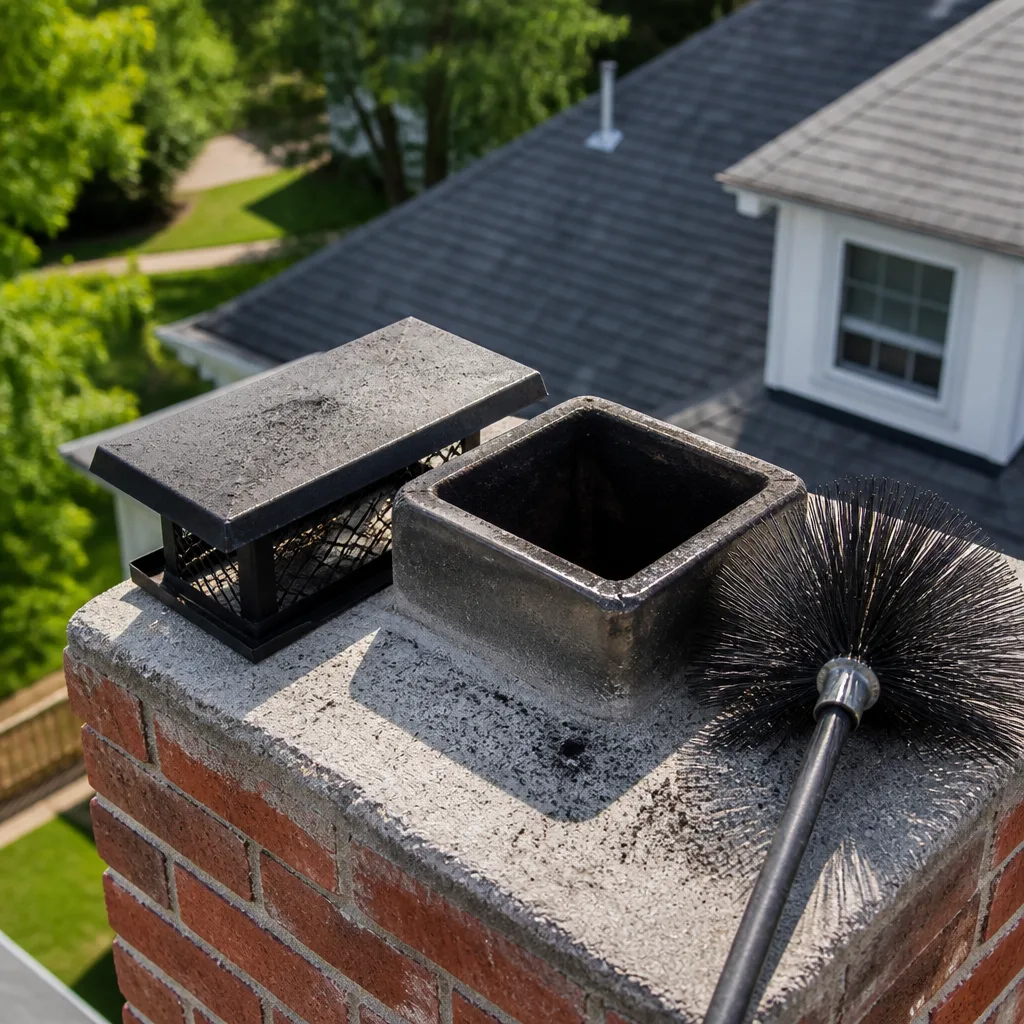
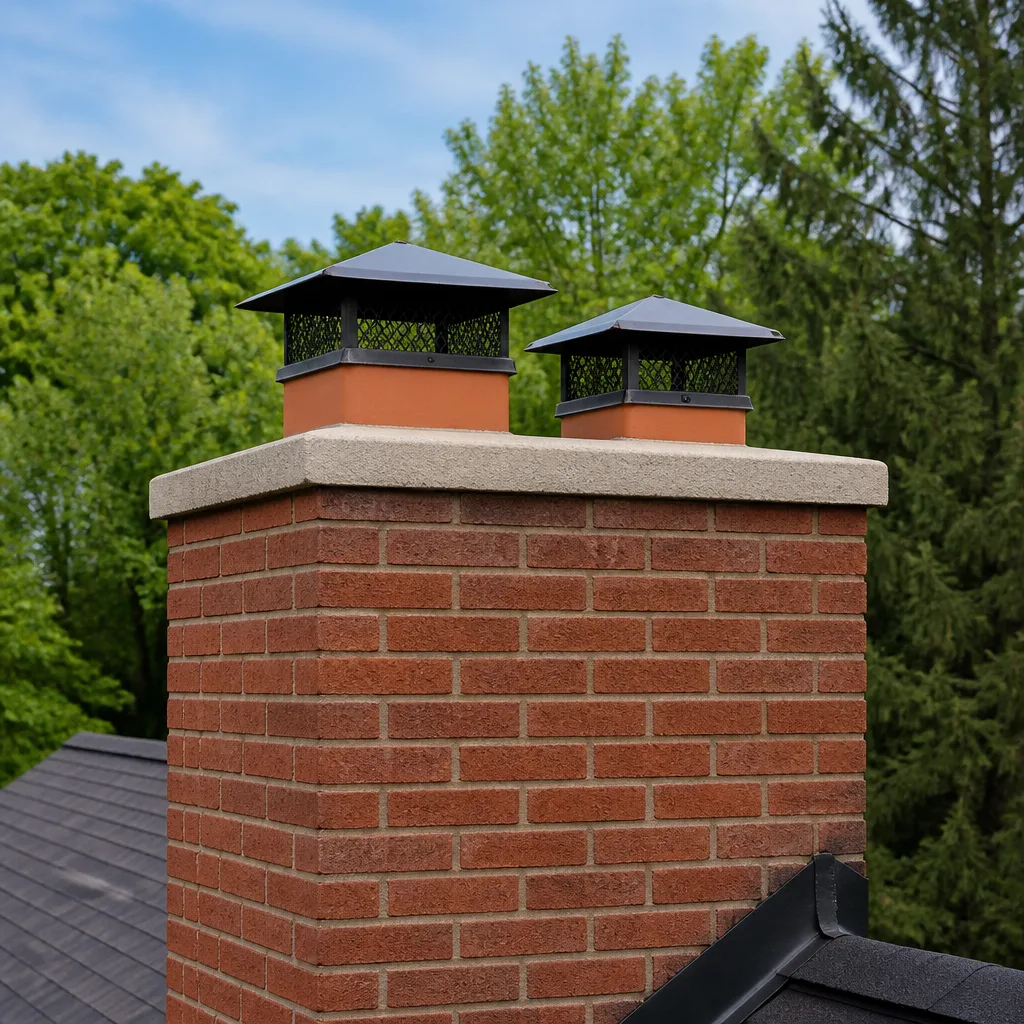
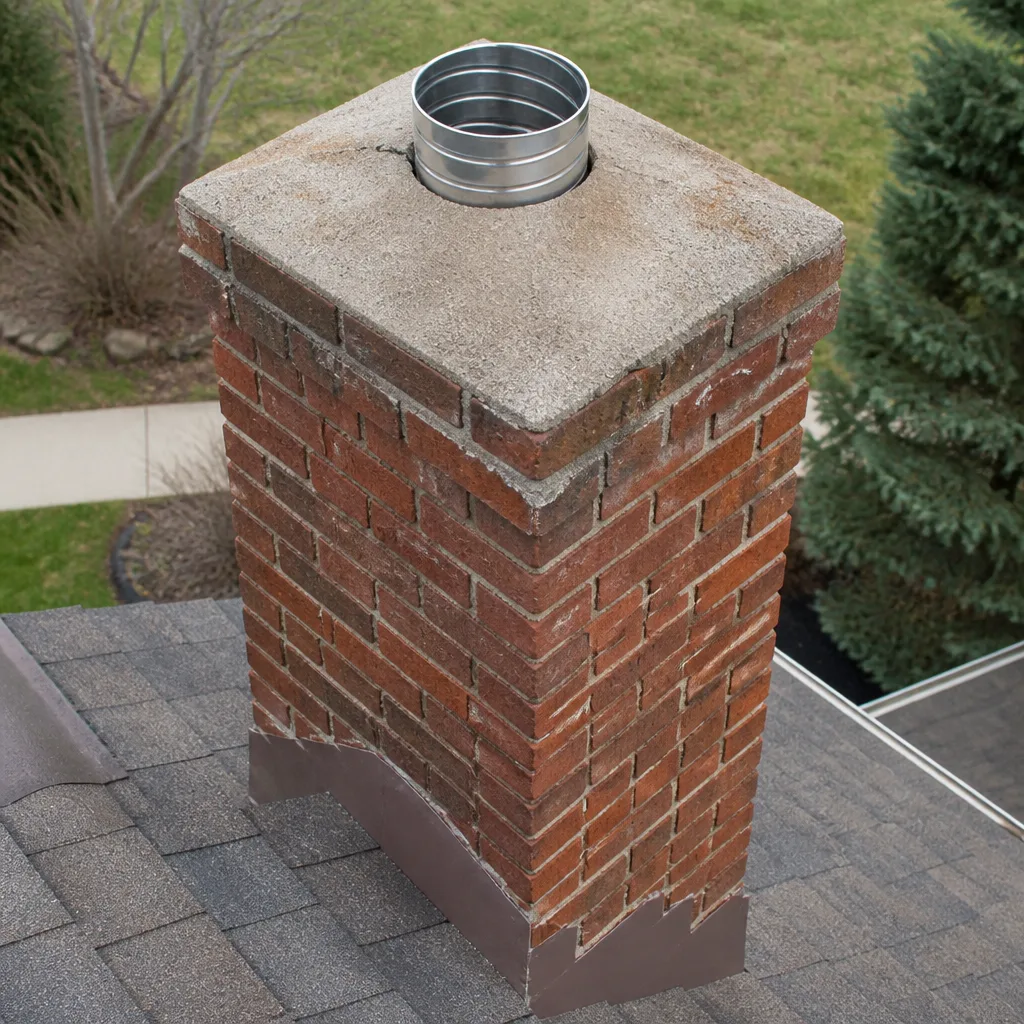
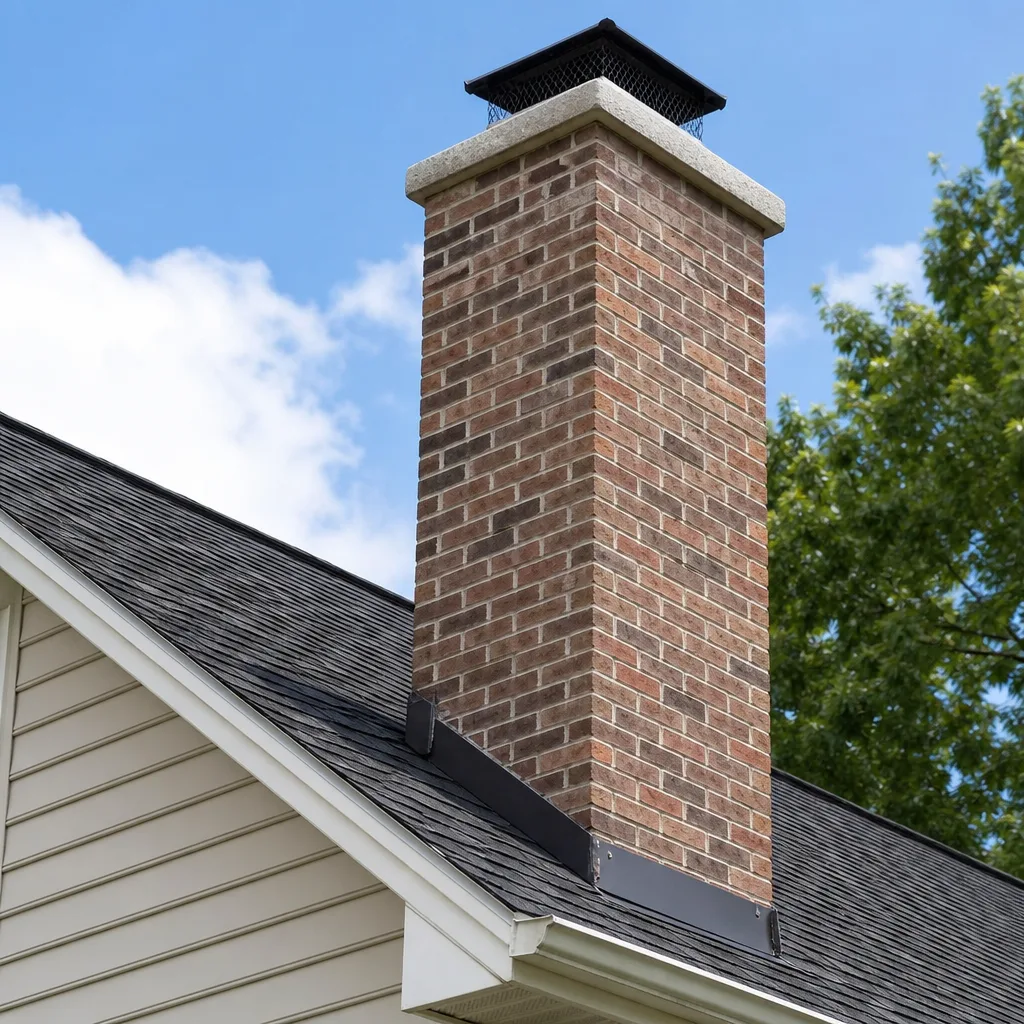
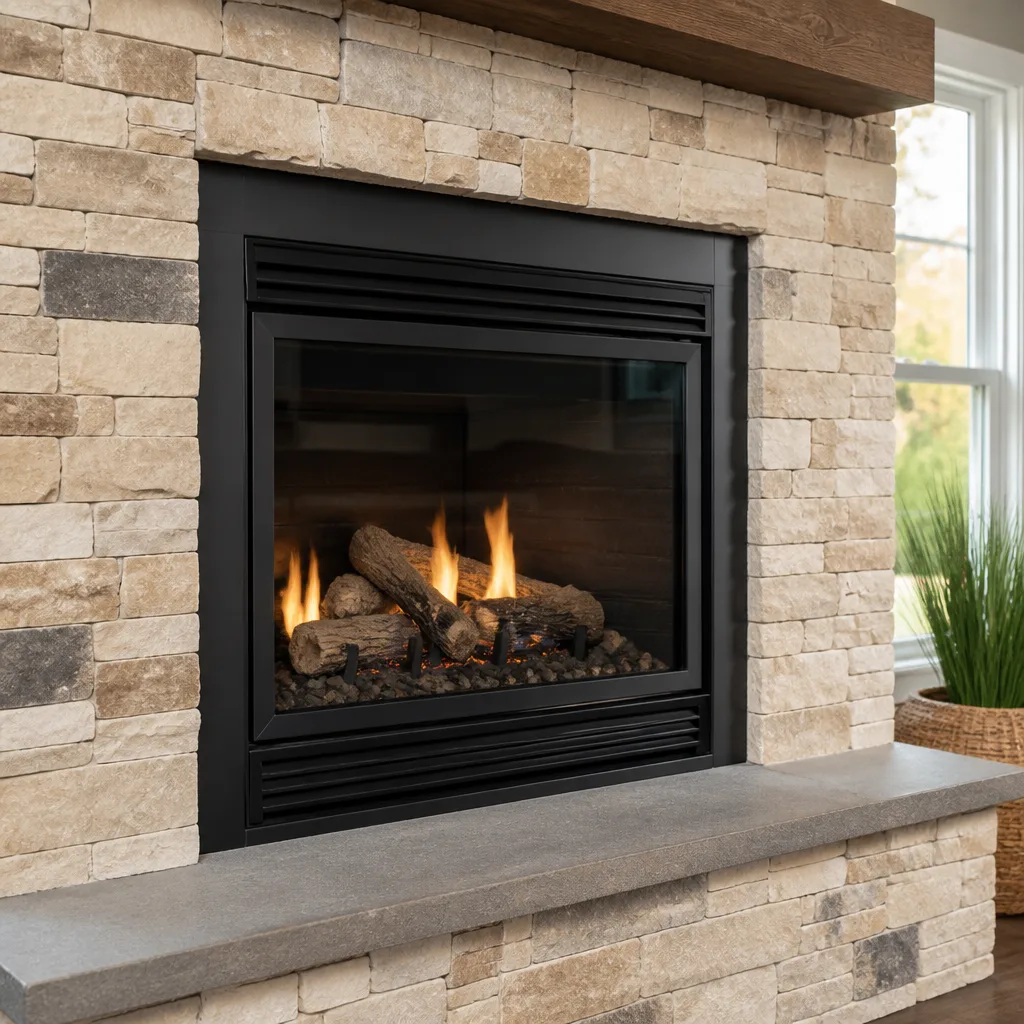
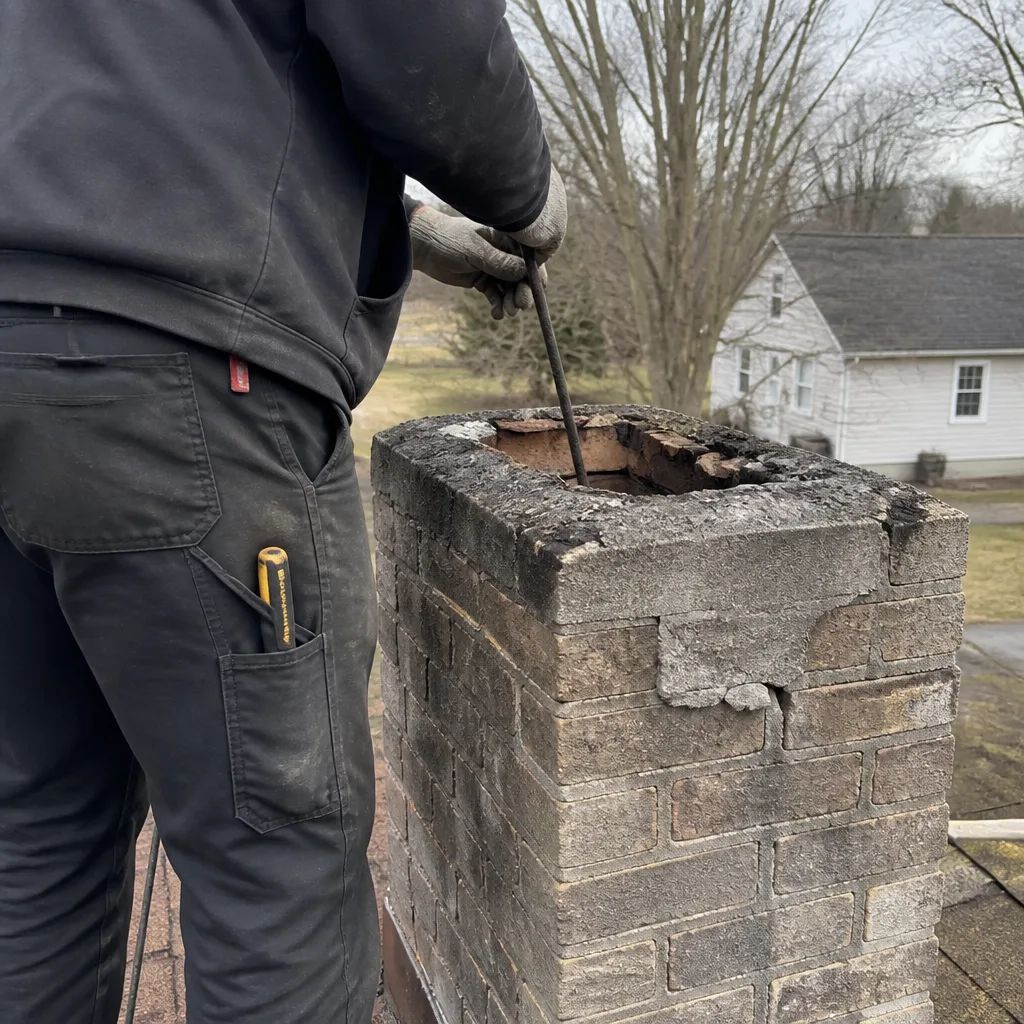 Before
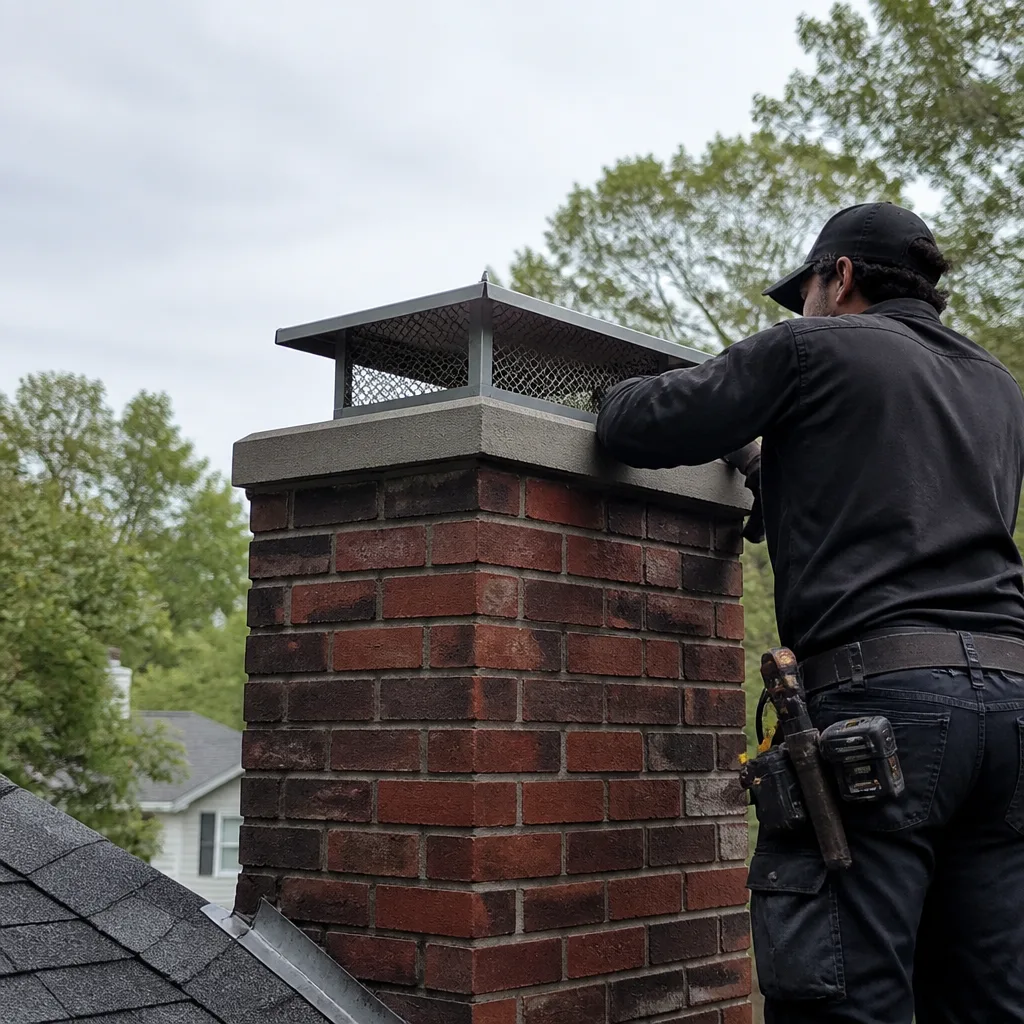 After
After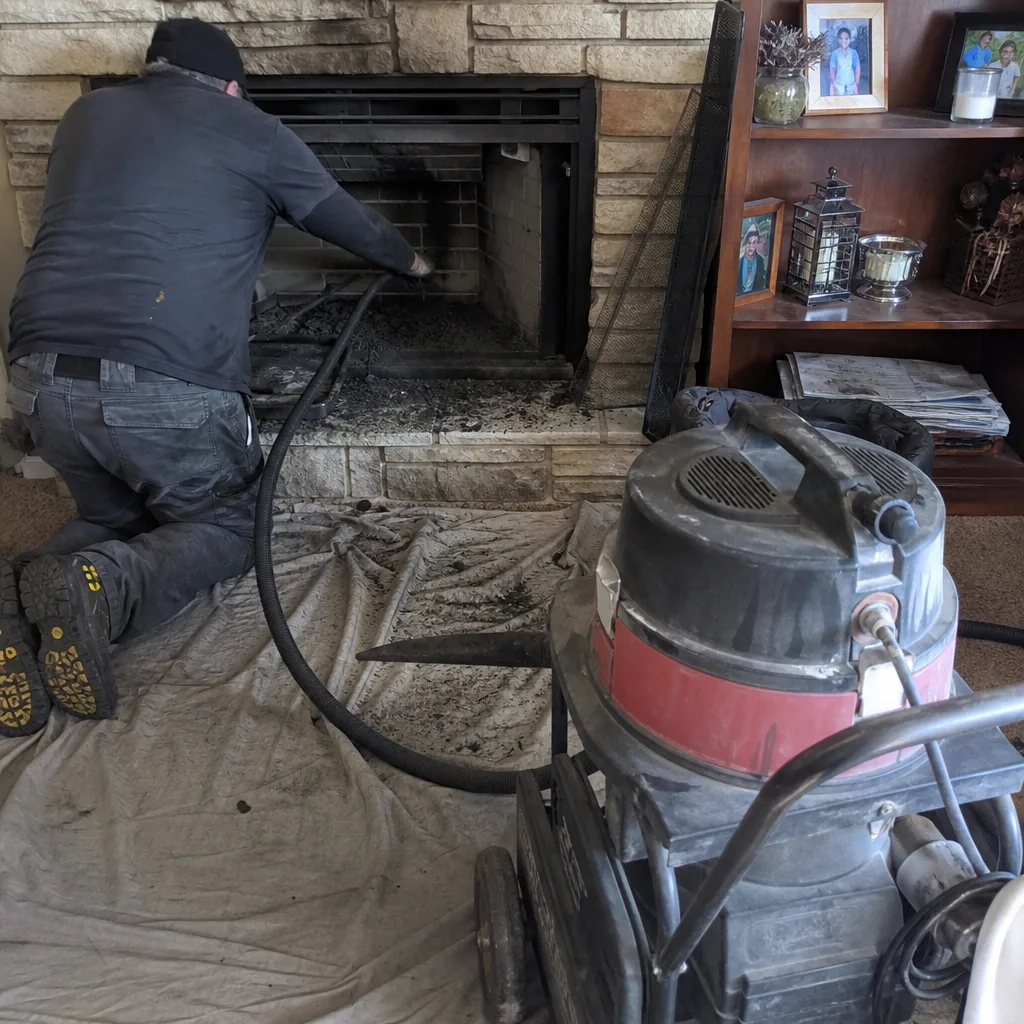 Before
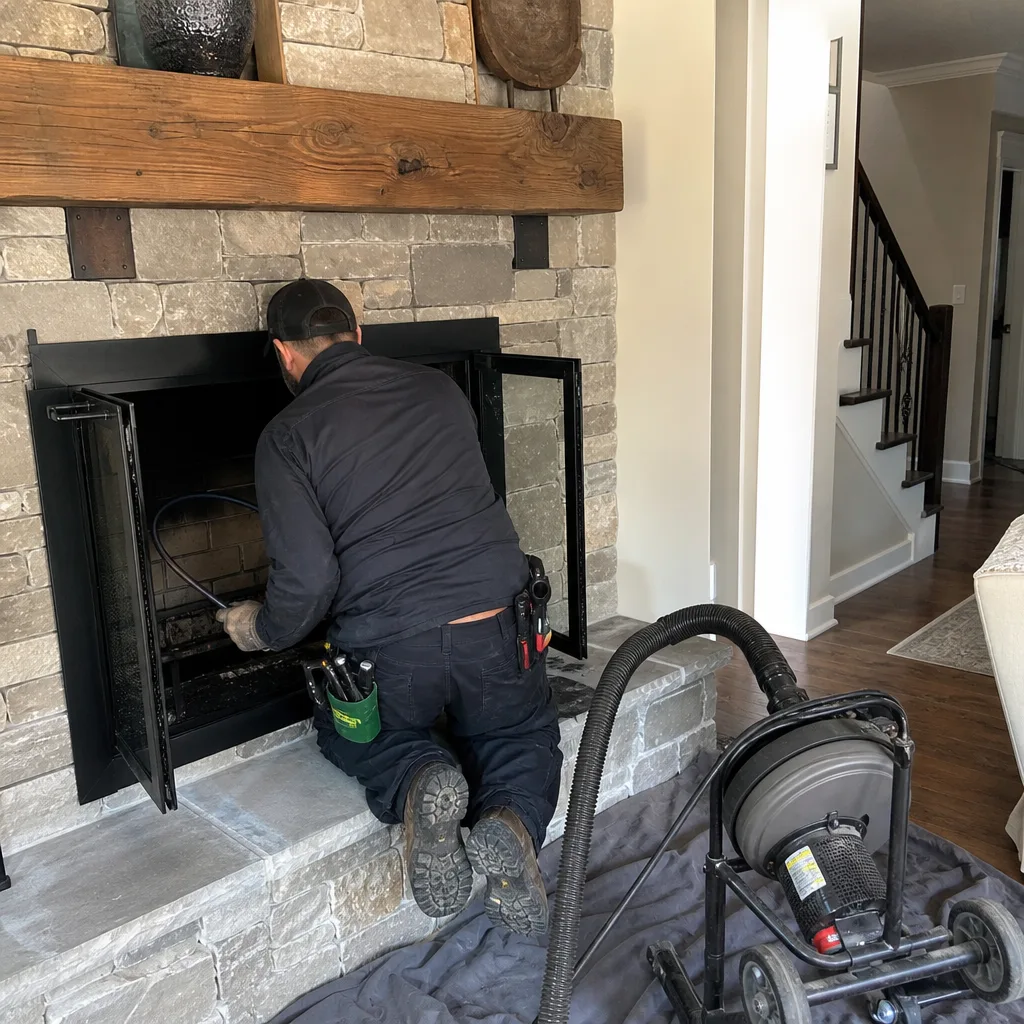 After
After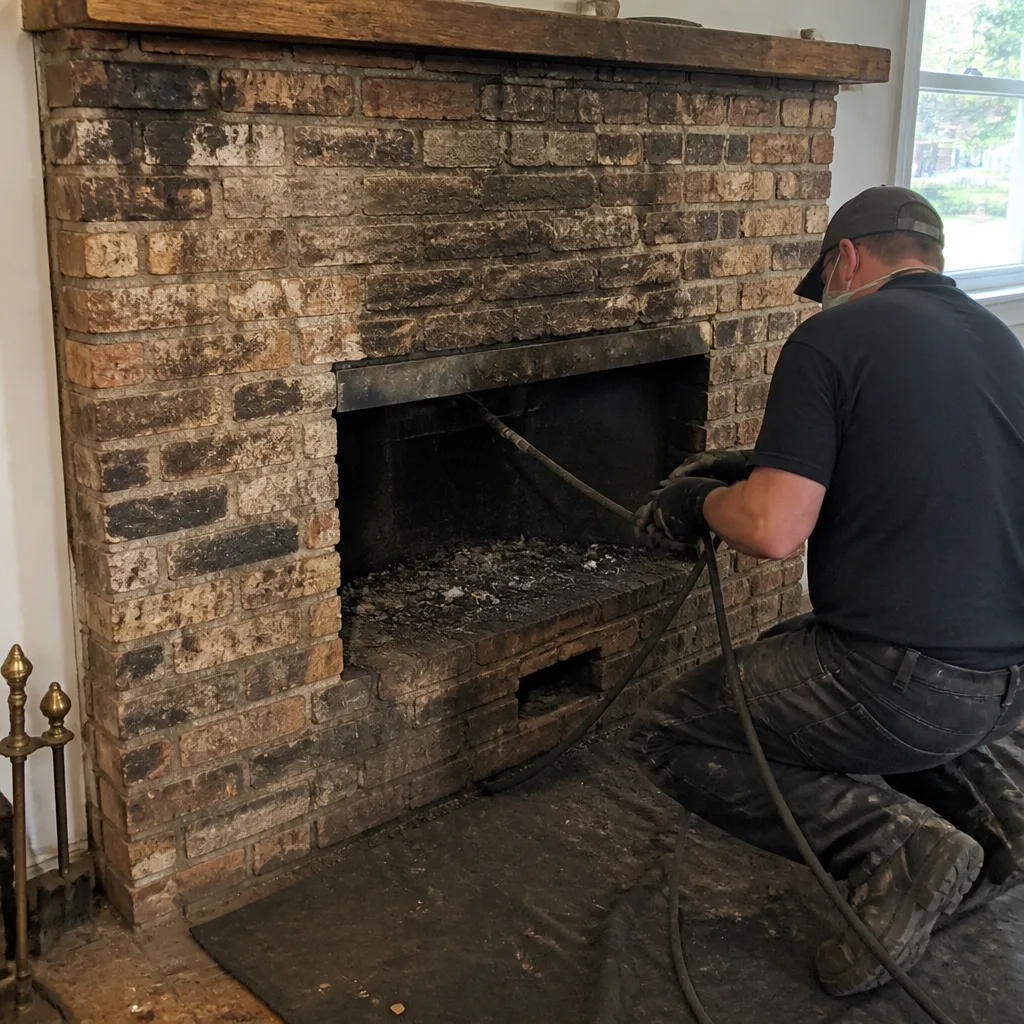 Before
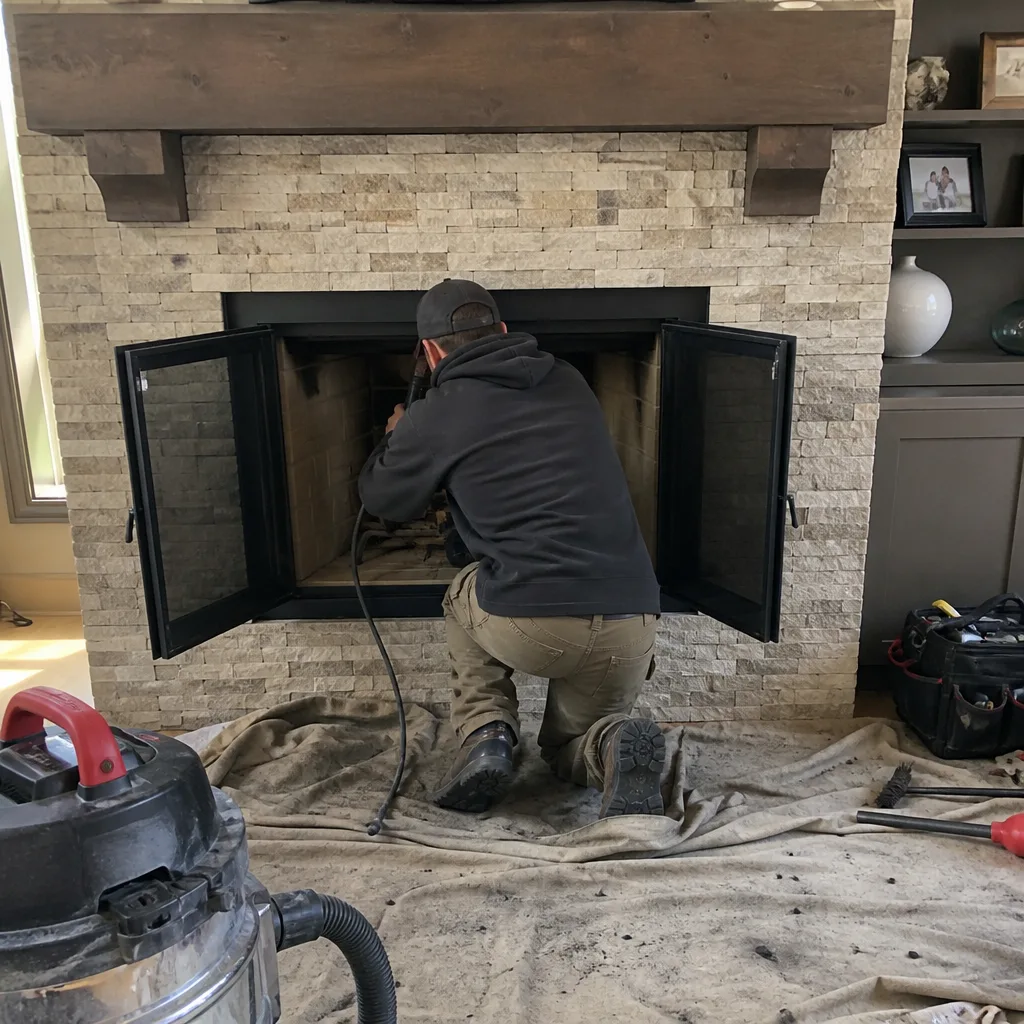 After
AfterDIY vs Professional Chimney Cleaning: The Crystal Lake Homeowner’s Decision Guide
Home improvement stores in Crystal Lake sell chimney brush kits for about $60, and they work - on Stage 1 creosote, on accessible straight flues, when nothing is cracked. The problem is that you cannot know what stage the creosote is or whether the liner is cracked without putting a camera down the flue, which the kit does not include. In this guide and our Chimney Cleaning Cost Breakdown: The Crystal Lake Homeowner’s Reference for 2026, we’ll show you exactly where the line falls between what you can safely handle yourself and what requires documented professional inspection, how much each path actually costs in Crystal Lake, and why the real decision isn’t about money - it’s about whether you need a paper record that insurers, buyers, and code officials will accept.
Quick Answer
Most Crystal Lake homeowners can safely perform basic visual checks and light surface cleaning on an accessible, straight flue with a quality brush kit. However, any chimney that has seen regular use, shows signs of wear, or must satisfy an insurance or real estate requirement needs a documented NFPA 211 Level 2 inspection with camera-scan evidence - something no DIY kit provides. The $60 brush removes creosote you can see; it cannot document the condition of what you cannot.
Table of Contents
- What DIY Chimney Cleaning Can Actually Accomplish
- What DIY Cleaning Cannot Do - And Where It Becomes Dangerous
- What Professional Equipment Actually Includes
- True Cost Comparison: DIY Kit vs. Documented Professional Service
- Insurance, Liability, and the Paper Trail That Matters
- How Crystal Lake’s Freeze-Thaw Cycles Affect Your Chimney
- Using DIY Maintenance as a Supplement, Not a Substitute
- Common Mistakes to Avoid
- When to Call a Professional
- Frequently Asked Questions
 Before
 After
AfterWhat DIY Chimney Cleaning Can Actually Accomplish
A homeowner with patience, a stable ladder, and the right physical mobility can accomplish meaningful maintenance on certain chimney systems. The key is knowing which systems qualify - and being honest about whether yours does.
Where DIY Brushing Is Technically Adequate
DIY cleaning with a poly or wire brush kit makes sense when all of these conditions are met:
- The flue is straight and accessible from top and bottom. A single 90-degree bend makes brushing nearly impossible without sectional rods that most homeowners don’t own. Multiple bends require professional-grade flexible cable systems.
- The creosote is Stage 1 (sooty, powdery, brushes off easily). This is the black, dusty deposit that accumulates after light use of well-seasoned hardwood. It responds to brushing and does not require chemical treatment or mechanical removal.
- The chimney has been professionally inspected within the past 12 months with no defects found. You are maintaining a known-good system, not investigating an unknown one.
- You are not preparing the property for sale, insurance renewal, or code compliance. These situations require documented third-party inspection regardless of how clean the flue appears.
In our experience across Crystal Lake’s older neighborhoods like Lakewood and the historic district near Grant Street, chimneys that meet all four criteria are increasingly rare. Most homes built before 1990 have clay tile liners that have experienced decades of thermal cycling. Even a straight flue can harbor hidden vertical cracks that a brush will not reveal but can worsen through vibration.
DIY Maintenance That Actually Helps
Where homeowners add real value is in routine visual monitoring between professional visits:
- Damper operation: Open and close the damper fully each month. Note sticking, grinding, or incomplete closure. A damper that won’t seal costs you heated air and indicates corrosion or misalignment that will worsen.
- Cap and crown inspection from ground level: Binoculars are sufficient. Look for missing cap mesh, crown cracks wider than a dime, or staining on the exterior brick that suggests water intrusion.
- Firebox condition: Check for spalling (flaking) firebrick, deteriorating mortar joints, or rust stains that indicate a leaking flue liner.
- Smoke chamber access: If your fireplace has a cleanout door below the smoke chamber, open it and look for significant debris accumulation. A thin layer of ash is normal; inches of packed material is not.
These checks cost nothing, require no special equipment, and create the habit of observation that helps you recognize when conditions have changed.
What DIY Cleaning Cannot Do - And Where It Becomes Dangerous
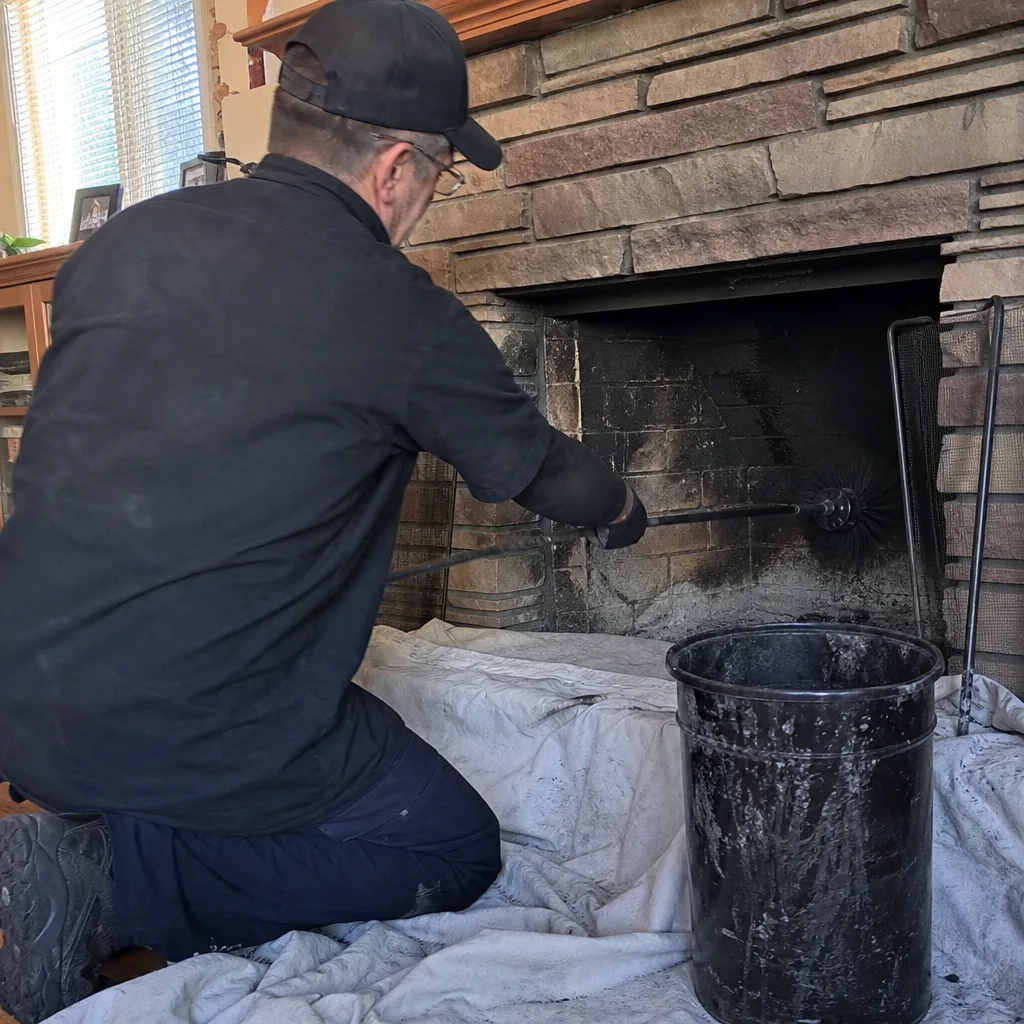
The $60 brush kit has a critical limitation: it is a cleaning tool, not a diagnostic tool. And in chimneys, cleaning without diagnosis can convert a manageable problem into an urgent hazard.
The Specific Conditions Where DIY Brushing Is Actively Dangerous
We have documented cases in Crystal Lake, particularly in the Four Colonies area and along the Fox River corridor, where well-intentioned brushing created worse outcomes. Here is when it happens:
Stage 3 (glazed) creosote exists but is not recognized. This hard, tar-like deposit looks dark and shiny. Brushing alone will not remove it. Aggressive brushing can fracture the glaze, creating fragments that partially obstruct the flue or fall onto smoke shelf areas where they remain as fuel. Proper removal requires rotary mechanical systems or chemical treatment - both professional procedures.
The flue liner has vertical cracks or spalling tiles. Brushing transmits vibration and direct contact force. A compromised clay tile can fracture further, dislodging pieces that block the flue or fall to the firebox. More critically, a cracked liner no longer contains combustion gases. Brushing does not repair this; it can obscure the damage by dislodging debris that temporarily masks the crack.
A stainless steel liner has separated joints or corrosion holes. Wire brushes accelerate corrosion on damaged stainless steel. The contact can also wedge debris into joint separations, making later professional repair more difficult.
The chimney has experienced a previous chimney fire. Thermal shock from a fire often creates hairline cracks invisible from either end. Brushing a post-fire chimney without camera inspection risks worsening structural damage and misses the documentation that insurance claims require.
What You Cannot See From Either End
A flue is a vertical shaft, often 15 to 25 feet long, with interior surfaces you cannot inspect without specialized equipment. The mid-flue section - where temperatures are highest and thermal stress is greatest - is precisely where damage concentrates. From the fireplace opening, you see the first few feet of smoke chamber and throat. From the roof, you see the flue opening and perhaps the top few feet if the sun angle cooperates. The middle third remains invisible.
In Crystal Lake’s climate, with annual freeze-thaw cycles that exceed 100 days below freezing, this middle section experiences accelerated deterioration. Water that enters through a cracked crown expands when frozen, widening cracks that then admit more water. A brush pushed through this zone tells you nothing about the liner’s condition; it merely moves past it.
What Professional Equipment Actually Includes
The gap between DIY and professional service is not primarily skill or effort. It is equipment that produces documentation - and the training to interpret what that equipment reveals.
The Camera System: Non-Negotiable for Any Claim of Inspection
An NFPA 211 Level 2 inspection, which we perform as standard on every Chimney Cleaning & Sweep in Crystal Lake, requires a visual examination of all accessible interior surfaces. For the flue, this means a chimney camera - typically a self-leveling, high-resolution unit on a flexible cable with integrated lighting.
The camera does three things no brush can:
- Documents liner condition with time-stamped imagery. Every foot of the flue is recorded. Cracks, gaps, deterioration, and obstructions are captured as evidence. Clause 4 of the Haven Standard requires this photo record on every job - we have maintained this practice since 2009, and it became the model for documented inspection standards.
- Reveals creosote staging accurately. Stage 1, 2, and 3 deposits have distinct visual signatures under direct light. Camera inspection distinguishes them without guesswork, determining whether brushing, chemical treatment, or mechanical removal is appropriate.
- Identifies obstructions and animal intrusion. Nests, collapsed liner sections, and debris accumulations are visible immediately. In Crystal Lake, we regularly find squirrel and raccoon nesting material in uncapped flues, particularly in wooded lots near Veteran Acres Park and the conservation areas along Silver Creek.
Draft Gauge and Carbon Monoxide Detection
Professional inspection includes combustion performance verification. A draft gauge measures the pressure differential that draws exhaust up the flue. Inadequate draft causes smoke spillage, accelerated creosote formation, and carbon monoxide risk. A carbon monoxide meter checks ambient levels during appliance operation and verifies that the flue is functioning as a containment system, not merely a passage.
Neither tool is optional. A chimney can be visually clean and structurally intact yet fail to protect occupants because draft is insufficient. This is particularly relevant in Crystal Lake’s tighter new construction, where energy-efficient homes often depressurize during exhaust fan and dryer operation, competing with the chimney for makeup air.
Materials and Repair Capability
When inspection reveals damage, professional service includes the capacity to specify and install appropriate repairs. We source materials from DuraFlex for stainless steel liner systems, HeatShield for cerfractory flue resurfacing, and Copperfield for caps, dampers, and exterior components - all procured through Haven’s buying network to maintain honest pricing. A homeowner with a brush kit has no path from discovery to resolution.
True Cost Comparison: DIY Kit vs. Documented Professional Service
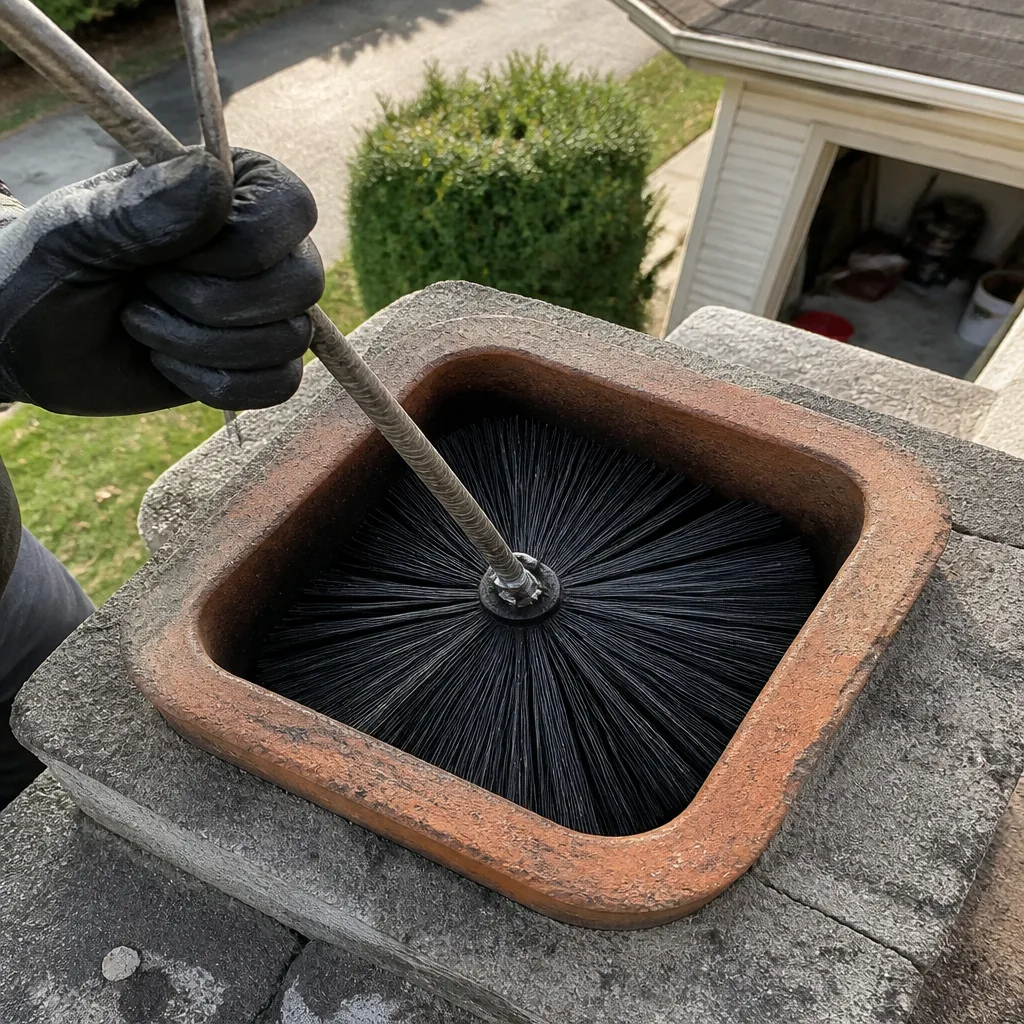
The framing of this decision as “$60 versus $300” misses what each expenditure actually produces. Here is the honest accounting.
What the $60 Kit Produces
- One poly or wire brush, typically 6 or 8 inches in diameter
- Sectional fiberglass or metal rods, usually 3 to 6 feet each
- A plastic tarp or drop cloth
- A dust mask and basic safety glasses
- No documentation, no inspection record, no warranty
The kit removes loose, accessible creosote from a straight flue. It produces no paper asset. It satisfies no insurance requirement. It supports no real estate disclosure. It documents nothing about liner condition, draft performance, or structural integrity.
What Professional Service Produces in Crystal Lake
Based on our pricing and market knowledge for the Crystal Lake area, documented chimney cleaning with Level 2 inspection typically ranges as follows:
| Service Component | Crystal Lake Price Range | What You Receive |
|---|---|---|
| Level 2 inspection with camera scan | $189 - $279 | Complete flue video record, written condition report, draft and CO readings |
| Standard sweep (Stage 1 creosote, accessible flue) | $149 - $219 | Mechanical brushing of full flue, smoke chamber, and firebox; debris removal |
| Combined inspection + sweep | $279 - $379 | Full documentation package plus cleaning; most common single visit |
| Stage 3 creosote removal (chemical or rotary) | $389 - $549 | Specialized treatment with before/after camera documentation |
The professional visit produces four paper assets the DIY kit cannot:
- Written scope and price before work starts. Haven Standard Clause 1 - we deliver a written price, written scope, and written warranty before any work begins. No surprises, no post-completion invoice shock.
- Time-stamped photo/video record. Clause 4 documentation, maintained in our archive since 2009. Available for insurance submission, real estate disclosure, or your own reference.
- Written condition assessment with recommendations prioritized. We distinguish what requires immediate attention from what can be scheduled, with explicit reasoning for each.
- 365-Day Done Right Promise. If our work is not correct, we make it correct. This is stamped on every job, not offered as an afterthought.
The real comparison is not $60 versus $300. It is $60 for undocumented surface cleaning versus approximately $279-$379 for a documented, warrantied, archivable service record that satisfies third-party requirements.
Insurance, Liability, and the Paper Trail That Matters
This is where the DIY versus professional distinction becomes consequential in ways that most homeowners discover too late.
When Insurers Require Documentation
Homeowner’s insurance policies increasingly include chimney-specific provisions, particularly for homes with wood-burning appliances. After a chimney fire, the insurer’s first question is not “When did you last clean it?” but “Who inspected it, when, and what did they document?”
A self-performed cleaning with no third-party inspection record places the burden of proof entirely on the homeowner. You must demonstrate that the chimney was in proper condition and that the fire resulted from factors outside your maintenance responsibility. Without dated, professional documentation, this is nearly impossible.
We have reviewed claims for Crystal Lake homeowners where coverage was reduced or denied because the only “maintenance” record was a receipt for a brush kit purchased three years prior. The insurer correctly noted that purchase does not prove use, and use does not prove effectiveness.
Real Estate Transactions and Disclosure
Illinois residential disclosure requirements obligate sellers to report known defects in major systems, including fireplaces and chimneys. A professional inspection report provides clarity: either the system is documented as sound, or specific deficiencies are identified with repair estimates. This protects both parties and prevents post-closing disputes.
A DIY cleaning provides no such clarity. The seller who reports “I cleaned it myself last year” has disclosed activity, not condition. Buyers and their inspectors will demand professional verification regardless, often under time pressure that disadvantages the seller.
Liability for Rental Properties
Crystal Lake has a significant inventory of single-family rentals, particularly near the hospital district and along Route 14. Landlords who perform or delegate DIY chimney maintenance assume personal liability for tenant safety. A documented professional inspection with written record transfers this responsibility appropriately and satisfies duty-of-care requirements.
How Crystal Lake’s Freeze-Thaw Cycles Affect Your Chimney
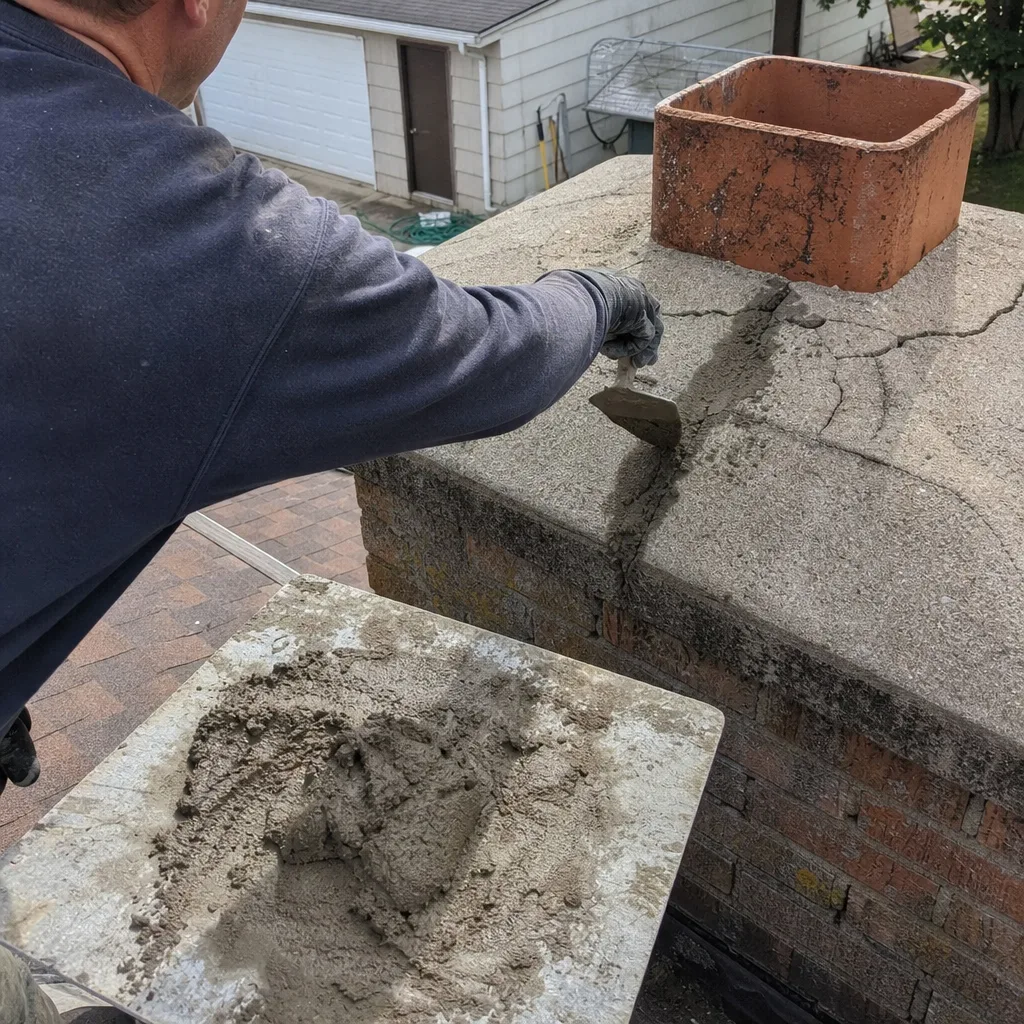
Local context matters for maintenance decisions, which is why we published our Seasonal Chimney Cleaning Care for Crystal Lake: Year-Round Homeowner’s Guide. Crystal Lake’s climate creates specific deterioration patterns that influence whether DIY cleaning is sufficient or professional inspection is warranted.
The 100-Day Freeze Threshold
McHenry County averages 110-130 days annually with minimum temperatures below 32°F. Each freeze-thaw cycle stresses masonry and liner materials. Water enters micro-cracks in crown mortar, expands when frozen, and widens the crack for the next cycle. Over a decade, this can compromise crown integrity sufficiently to allow water into the flue system.
A homeowner brushing creosote from a flue with crown damage is cleaning a system that is actively deteriorating. The cleaning addresses symptom; the crown damage is cause. Only inspection from the roof level - or camera documentation showing water streaking inside the flue - reveals this relationship.
Wood-Burning Patterns in Lake Communities
Properties near Crystal Lake itself, including the Colonnades and Lakewood subdivisions, often use fireplaces for supplemental heating and ambiance through extended burning seasons. This produces more total creosote volume than occasional holiday use, and often a mix of Stage 1 and Stage 2 deposits that resist simple brushing.
The lakeside microclimate also maintains higher humidity, which slows creosote drying and increases its adhesive quality. Stage 2 creosote in these conditions often requires more aggressive treatment than a homeowner kit provides.
Older Construction in Historic Districts
Homes near Grant Street and the original downtown plat often have unlined brick flues or early clay tile installations that predate modern standards. These systems are never candidates for DIY maintenance. The mortar between bricks deteriorates with age; tiles shift and crack; the entire system requires professional assessment to determine whether relining is necessary for safe operation.
We have completed Chimney Repair in Crystal Lake on numerous historic properties where previous owners performed years of surface brushing without recognizing that the flue had no liner at all. The brushing created a false sense of security while combustion gases degraded the surrounding masonry.
Using DIY Maintenance as a Supplement, Not a Substitute
The most effective approach for many Crystal Lake homeowners is structured complementarity: professional documentation on a defined schedule, with homeowner monitoring between visits. For help choosing qualified professionals, see our How to Hire a Chimney Cleaning Contractor in Crystal Lake: A Step-by-Step Guide.
A Practical Maintenance Framework
Annual professional service: Schedule Level 2 inspection with cleaning each year, ideally in late summer before burning season begins. This produces your documentation baseline, identifies developing issues, and ensures system readiness.
Monthly homeowner checks (October through March):
- Operate the damper fully and verify smooth movement.
- Visually inspect the firebox for new cracks, staining, or debris accumulation.
- Check cap and crown from ground level; note changes from previous month.
- Verify that carbon monoxide detectors are functional and properly located.
- After significant storms, check for displaced cap mesh or visible crown damage.
Post-storm assessment: Crystal Lake’s position at the edge of the prairie-forest transition exposes properties to wind-driven rain and occasional severe weather. After any event with winds exceeding 50 mph or significant hail, schedule professional inspection even if no damage is visible from ground level. For more guides & resources on protecting your chimney system, visit our blog. We have found cap displacement and crown cracking after storms that produced no other visible property damage.
When DIY Becomes Part of the Record
Homeowner maintenance logs have value when they are specific and consistent. A simple dated note: “Damper operated smoothly, no new firebox cracks, cap secure” - maintained monthly - demonstrates attention that supports insurance claims and real estate disclosure. It does not replace professional inspection, but it complements it.
The critical distinction: DIY maintenance observes and records; professional inspection diagnoses and documents with equipment you do not possess. Neither role substitutes for the other.
Common Mistakes to Avoid
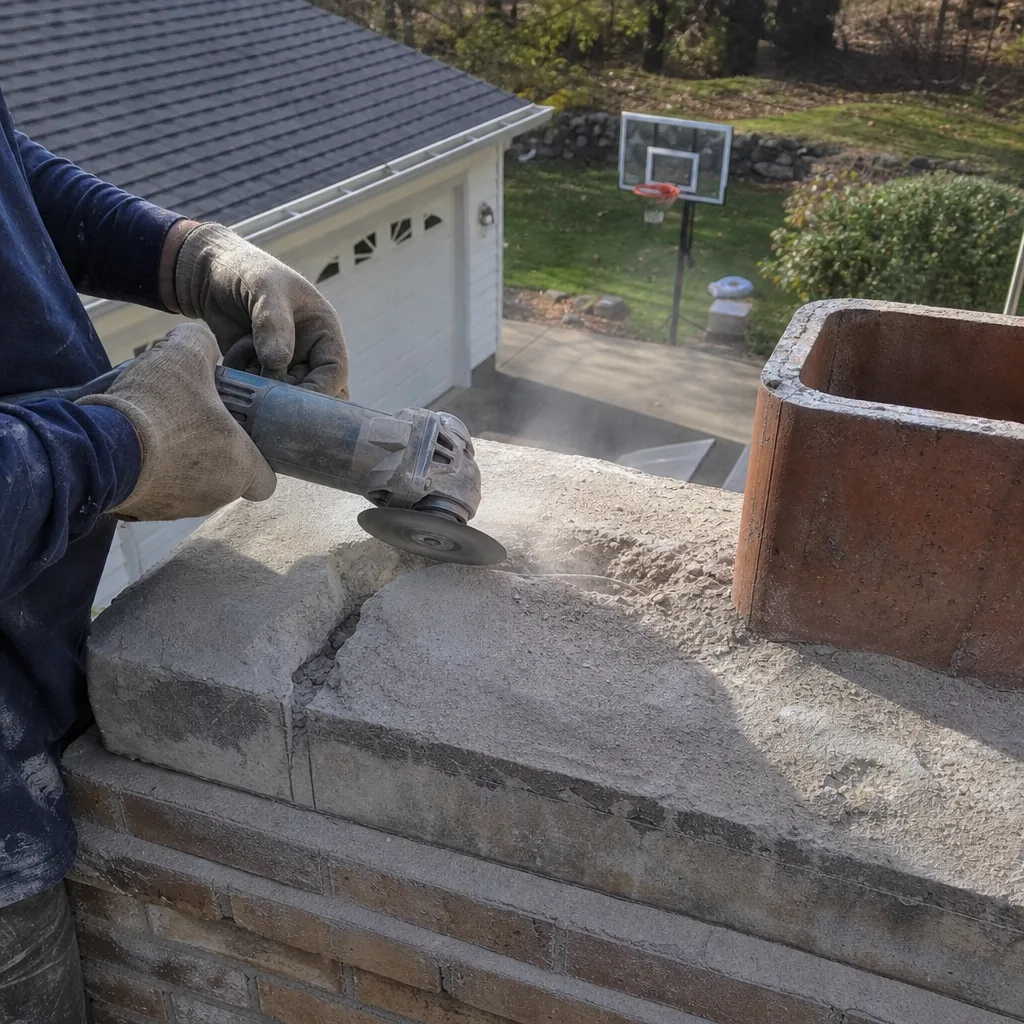
- Brushing without inspecting first. In Crystal Lake’s older Lakewood homes, we regularly find that aggressive brushing dislodges creosote into cracked liner sections, creating partial blockages that restrict draft. Always know the flue condition before applying force.
- Using the wrong brush material for the liner type. Wire brushes on stainless steel liners accelerate corrosion. Poly brushes on heavy Stage 2 or 3 creosote are ineffective. The kit does not include guidance on matching brush to deposit.
- Ignoring the smoke chamber and firebox. The flue is not the only combustion path. Creosote accumulates in the smoke chamber (the area above the damper) and on the firebox back wall. These areas are difficult to access and easy to neglect.
- Cleaning from the top only. Debris brushed downward must be removed from the smoke shelf or cleanout. Leaving it creates a fuel source at the hottest point of the system. We have responded to chimney fires in Crystal Lake traceable to accumulated debris on smoke shelves.
- Assuming no visible problem means no hidden problem. The most dangerous liner cracks are hairline and vertical, invisible without camera and lighting. A flue that brushes clean and draws well can still fail to contain combustion gases.
- Delaying professional service to “save money” after DIY cleaning. The $60 kit is maintenance, not replacement for inspection. Postponing documented professional review to recoup the kit cost is false economy that accumulates risk.
- Failing to check cap and crown before burning season. Crystal Lake’s freeze-thaw cycles degrade crowns faster than flue interiors. A compromised crown admits water that accelerates all other deterioration. Ground-level binocular inspection takes five minutes; missing crown damage costs hundreds in accelerated repairs.
When to Call a Professional
Call for documented professional inspection when any of the following apply: your chimney has not had camera-scan inspection in the past 12 months; you observe any cracking, spalling, or staining in the firebox or exterior masonry; the damper operates roughly or incompletely; you burn more than one cord of wood per season; you are preparing to sell, refinance, or renew insurance; or you have performed DIY cleaning and need the documentation that only third-party inspection provides.
Level Two Chimney Crystal Lake home offers free estimates throughout Crystal Lake and surrounding McHenry County communities. Every estimate includes a written scope and written price before any commitment - Haven Standard Clause 1, no exceptions. Call (815) 923-3185 to schedule. Our technicians are background-checked, uniformed, and assigned by name; you’ll receive a text when yours is en route.
Frequently Asked Questions
A documented chimney sweep with Level 2 camera inspection in Crystal Lake typically runs $279 to $379 for a standard system with Stage 1 creosote. Heavy deposits or mechanical removal needs increase this range. We provide a written price before any work starts - call (815) 923-3185 for an exact quote; estimates are free.
Previous uneventful DIY cleaning means your flue was likely straight, accessible, and in good condition at that time. It does not mean those conditions persist. Liner deterioration is progressive and often asymptomatic until failure. Professional camera inspection at least every two years verifies that your DIY maintenance remains appropriate for the system’s actual condition.
This is exactly why Clause 4 of the Haven Standard requires a photo record on every job. We show you the camera footage before recommending any liner work. A liner replacement is a significant investment; it should never be proposed without visual evidence you can review yourself. If another company recommends liner replacement without showing you the damage, bring us their written estimate for a free second opinion.
NFPA 211 recommends annual inspection for all chimney systems, with cleaning frequency determined by creosote accumulation. In Crystal Lake’s climate, most wood-burning systems need annual cleaning; gas systems typically need biennial inspection with less frequent cleaning. The specific schedule depends on fuel type, burn volume, and appliance efficiency - all assessed during professional inspection.
Skipped maintenance allows creosote to accumulate beyond Stage 1, progressing to glazed deposits that require expensive mechanical or chemical removal. More critically, undetected liner damage or obstruction creates chimney fire risk and carbon monoxide exposure. In Crystal Lake’s tight new construction, inadequate draft from a neglected flue can cause spillage into living spaces even without a fire. The cost of deferred maintenance is always higher than scheduled service.
Professional service should leave your home cleaner than we found it. Our technicians use HEPA vacuums, protective coverings, and contained debris removal. The soot and creosote we remove is hazardous material; proper containment and disposal are part of the service. DIY cleaning without adequate dust control can distribute fine particulate throughout your home - another hidden cost of the $60 kit.
A sweep removes combustible deposits from the flue, smoke chamber, and firebox. An inspection evaluates system condition, including liner integrity, structural soundness, and performance characteristics. A sweep without inspection cleans a system of unknown condition; an inspection without cleaning evaluates a system that may still contain hazardous deposits. For most Crystal Lake homeowners, the combined service is appropriate. For Fireplace Services in Crystal Lake including both, we schedule a single visit with full documentation.
The Bottom Line
The DIY versus professional chimney cleaning decision is not about whether you are capable of brushing soot from a straight flue. Most physically able homeowners can do that. It is about whether you need a documented record of system condition that satisfies insurers, buyers, and your own duty of care. The $60 kit produces cleanliness; the professional visit produces evidence. In Crystal Lake’s climate, with its freeze-thaw stress on masonry and its mix of historic and modern construction, the evidence matters more than the brushing. Use DIY maintenance for what it does well: routine observation and light surface care between professional visits. For the documentation that protects your property value and household safety, schedule a Level 2 inspection with a camera-scan record - the standard we have maintained since 2009, now formalized as Clause 4 of the Haven Standard.
Written by Corrine Halstead, Owner at Level Two Chimney Crystal Lake, serving Crystal Lake since 2009.